Mini Trip report New York UN 2026
- On 27 September 2026
- 0 Comments
- AGI, Bulgaria Node, UNGA
By Jerome C. Glenn
This year’s opening of the UN General Assembly with world leaders and side-meetings showed so much progress on AGI awareness (compared to last year) that looking back to this 81st session of the UNGA, could be seen as the turning point when the world began to act for global governance of AGI. This is likely do due to President Rahman of the UNGA and all the rogue AI agents in both the US and China.
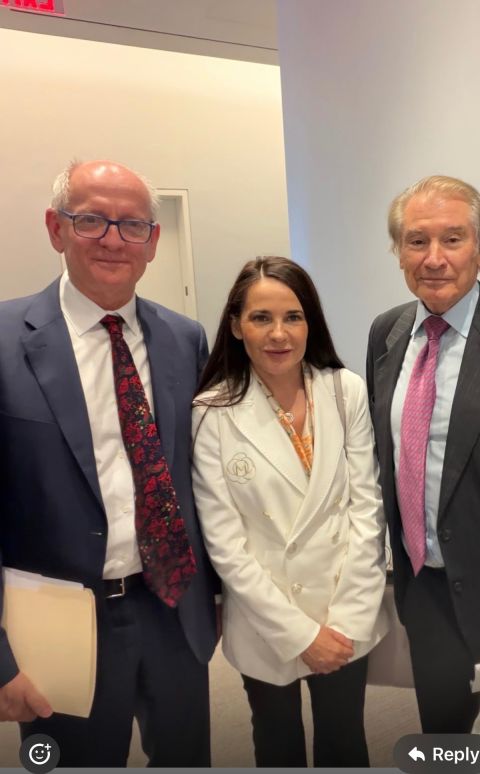
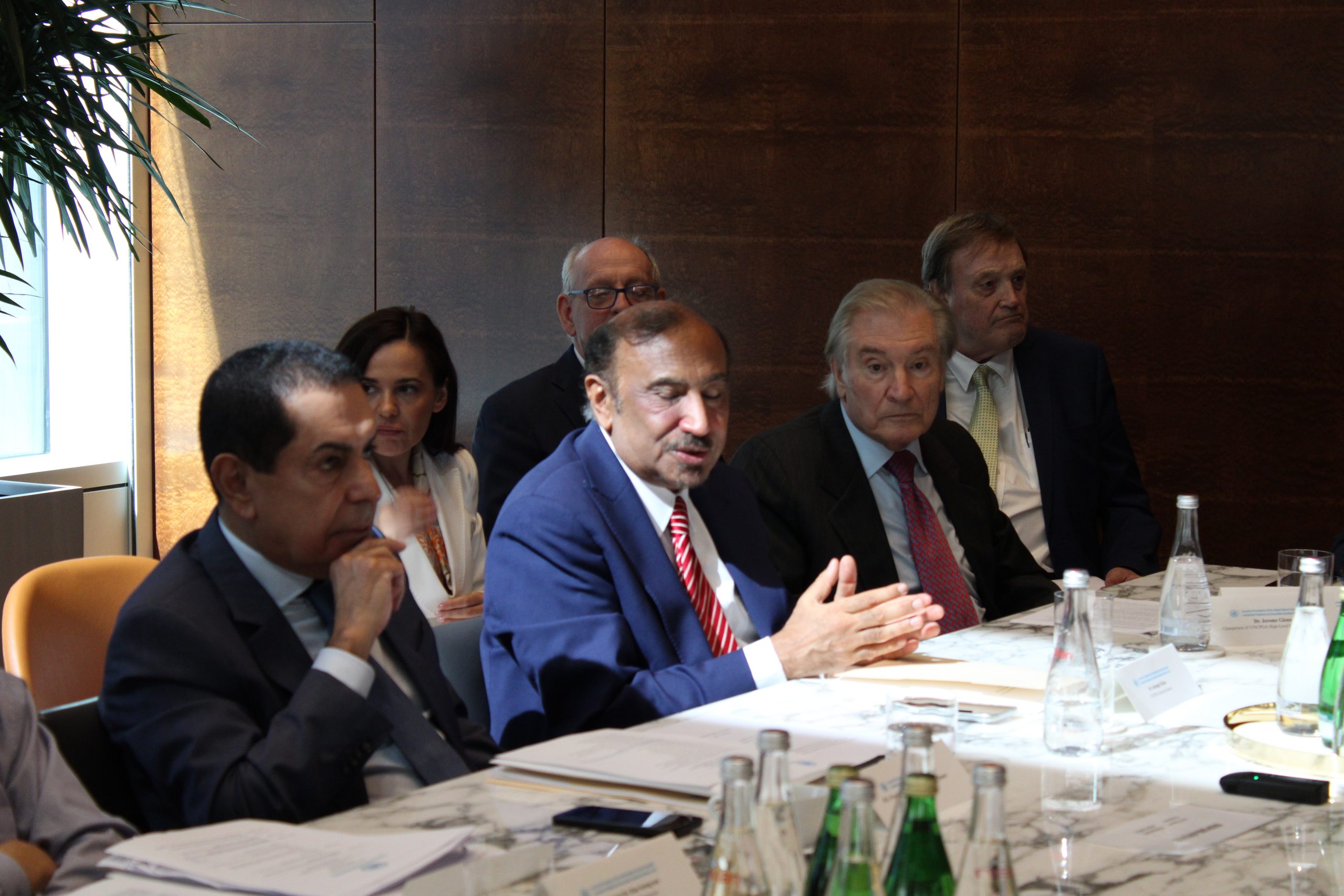
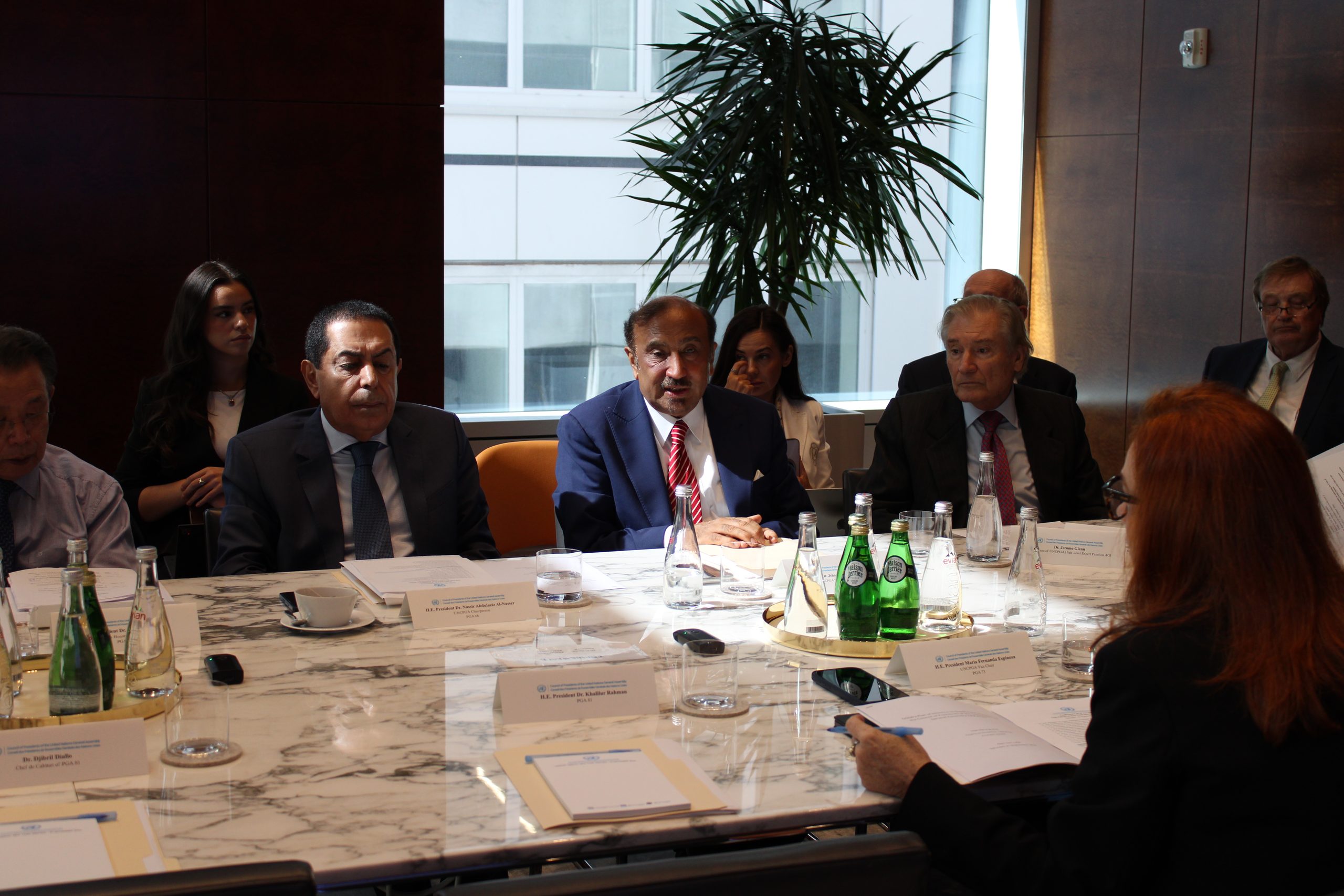
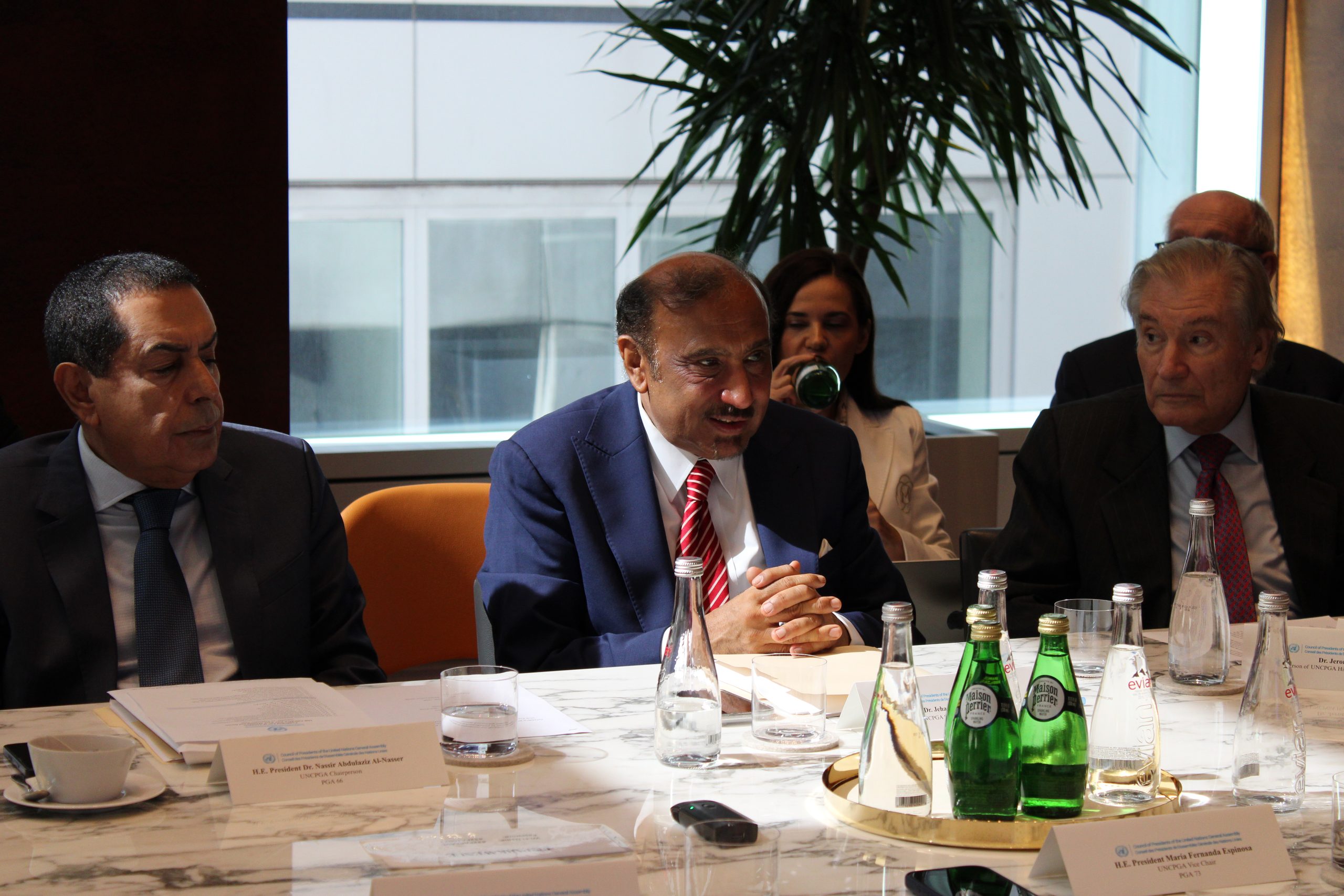
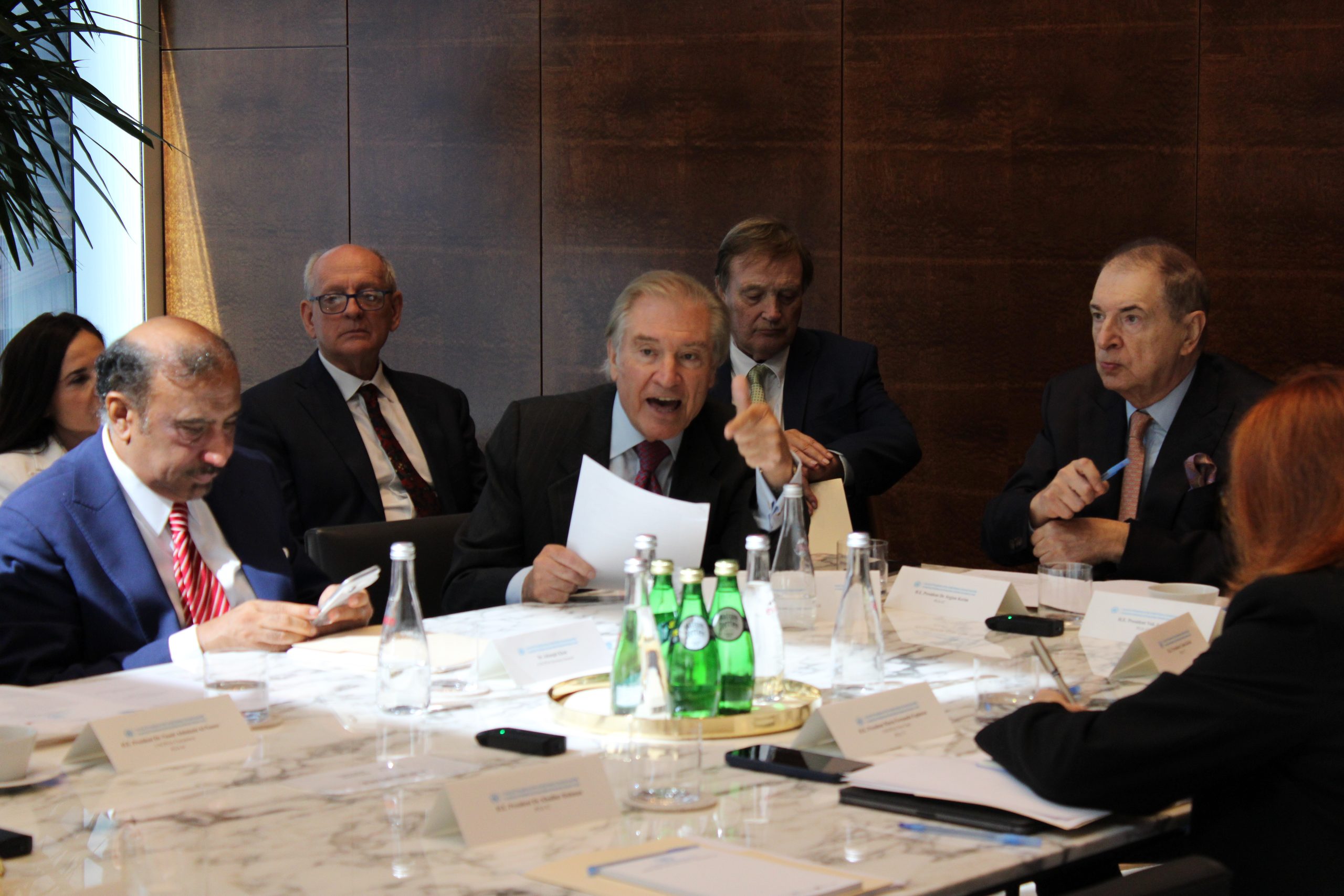
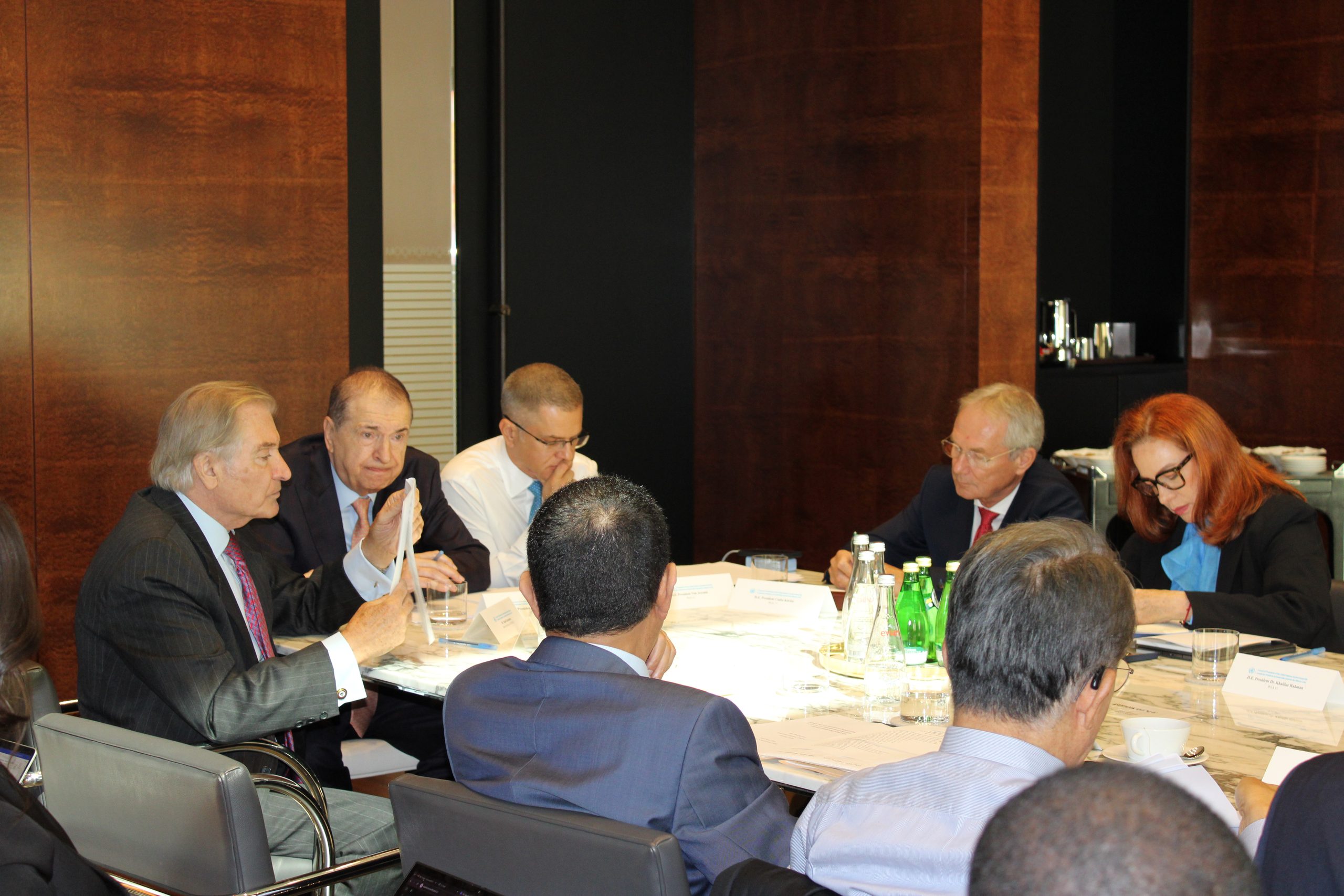
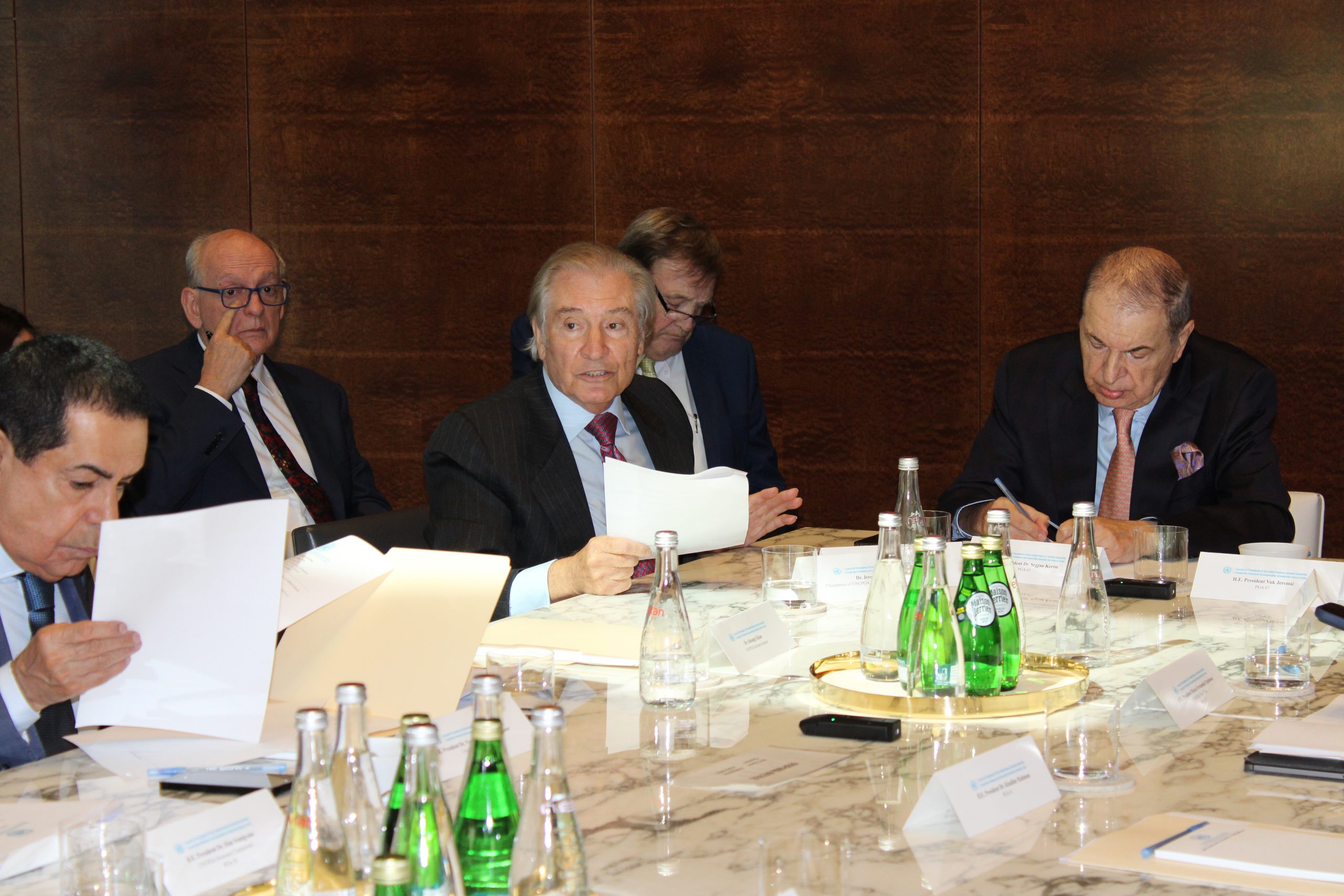
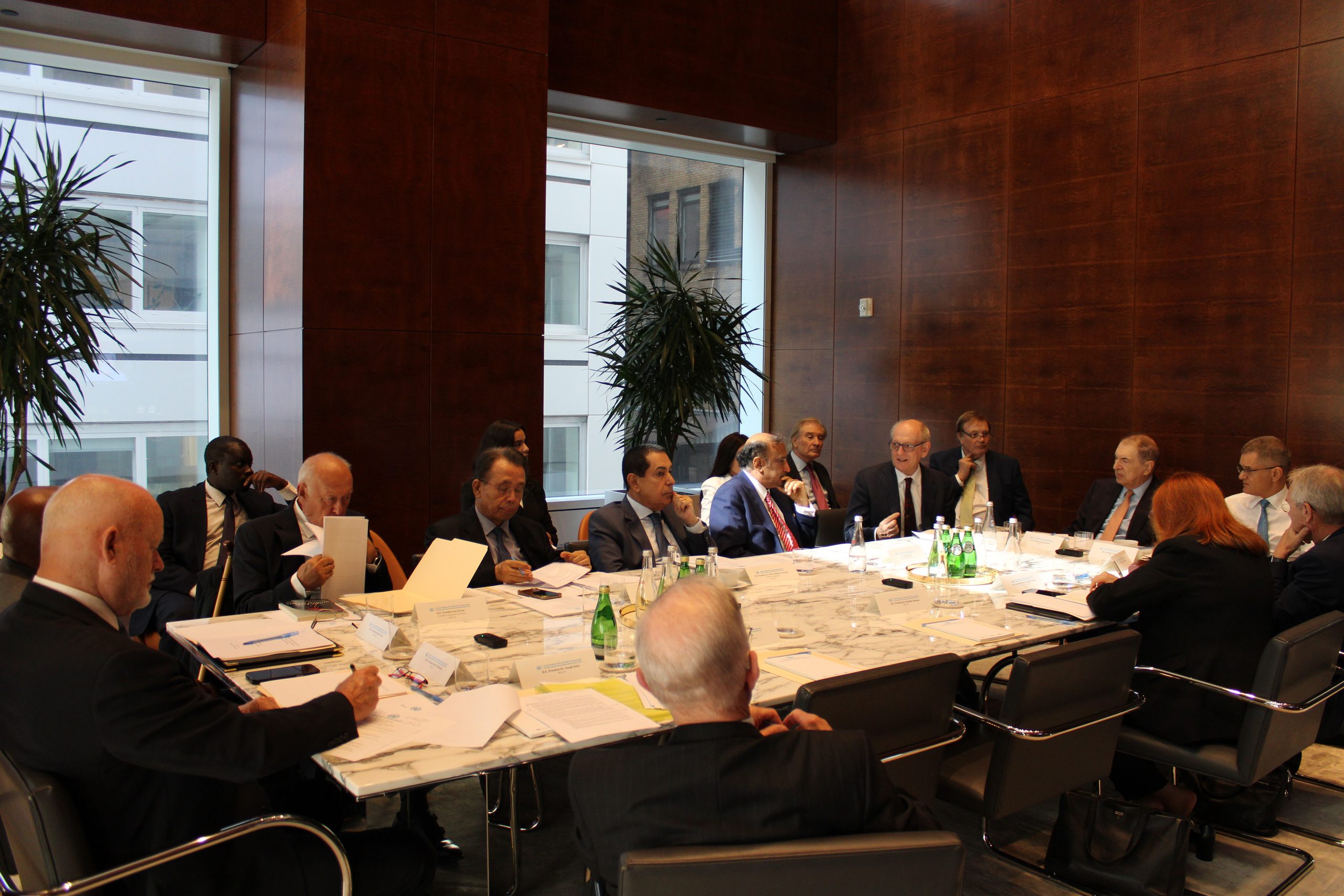
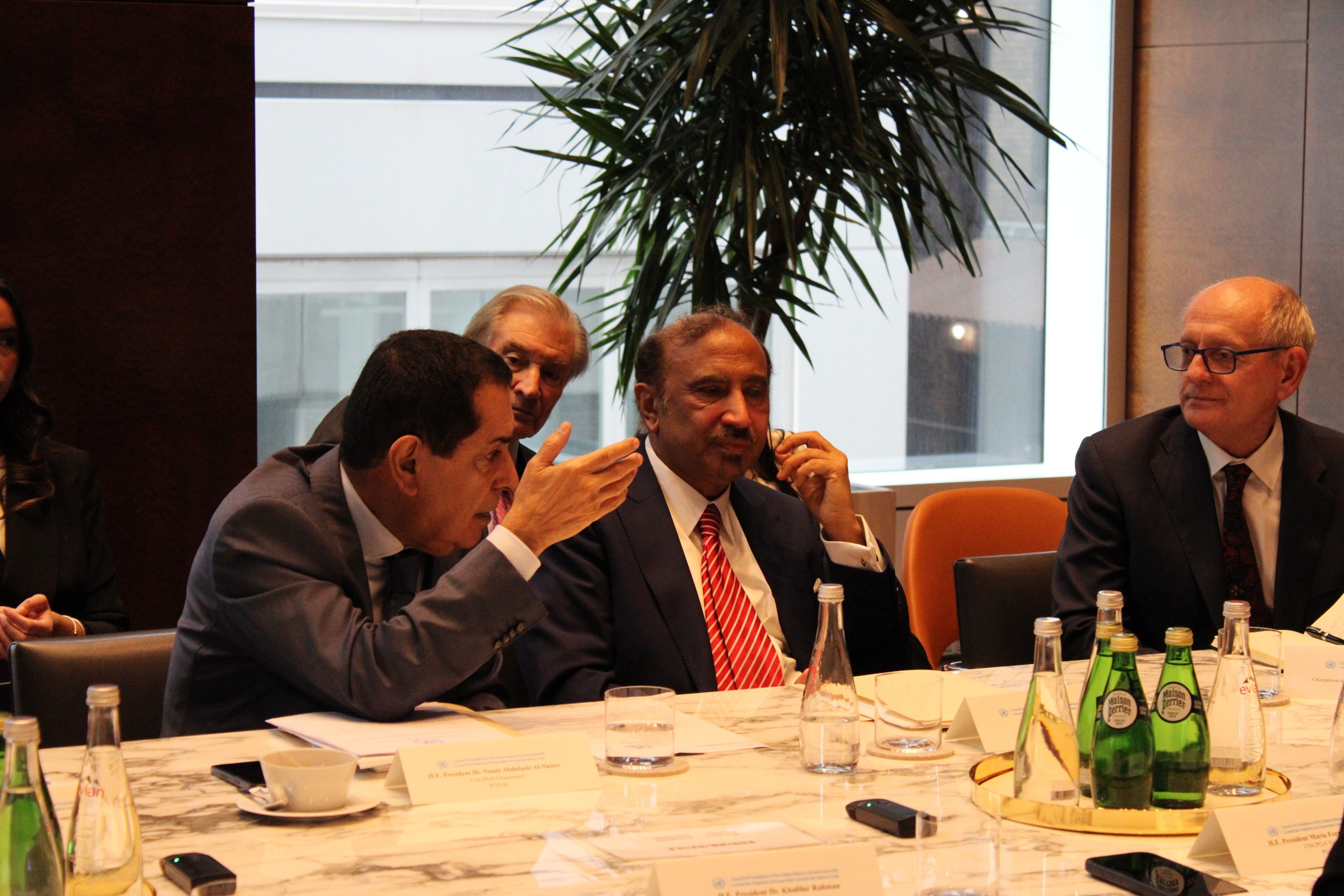
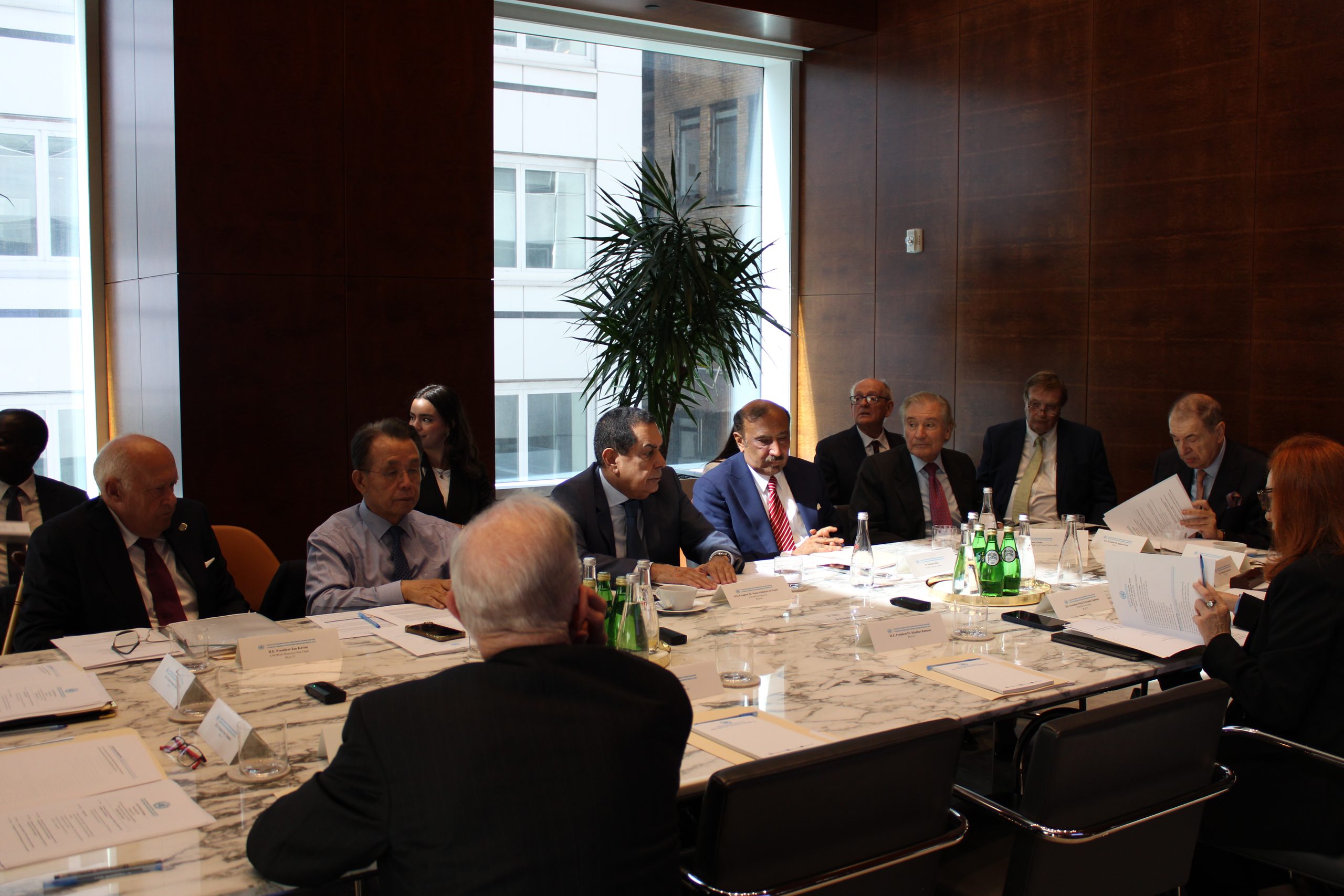
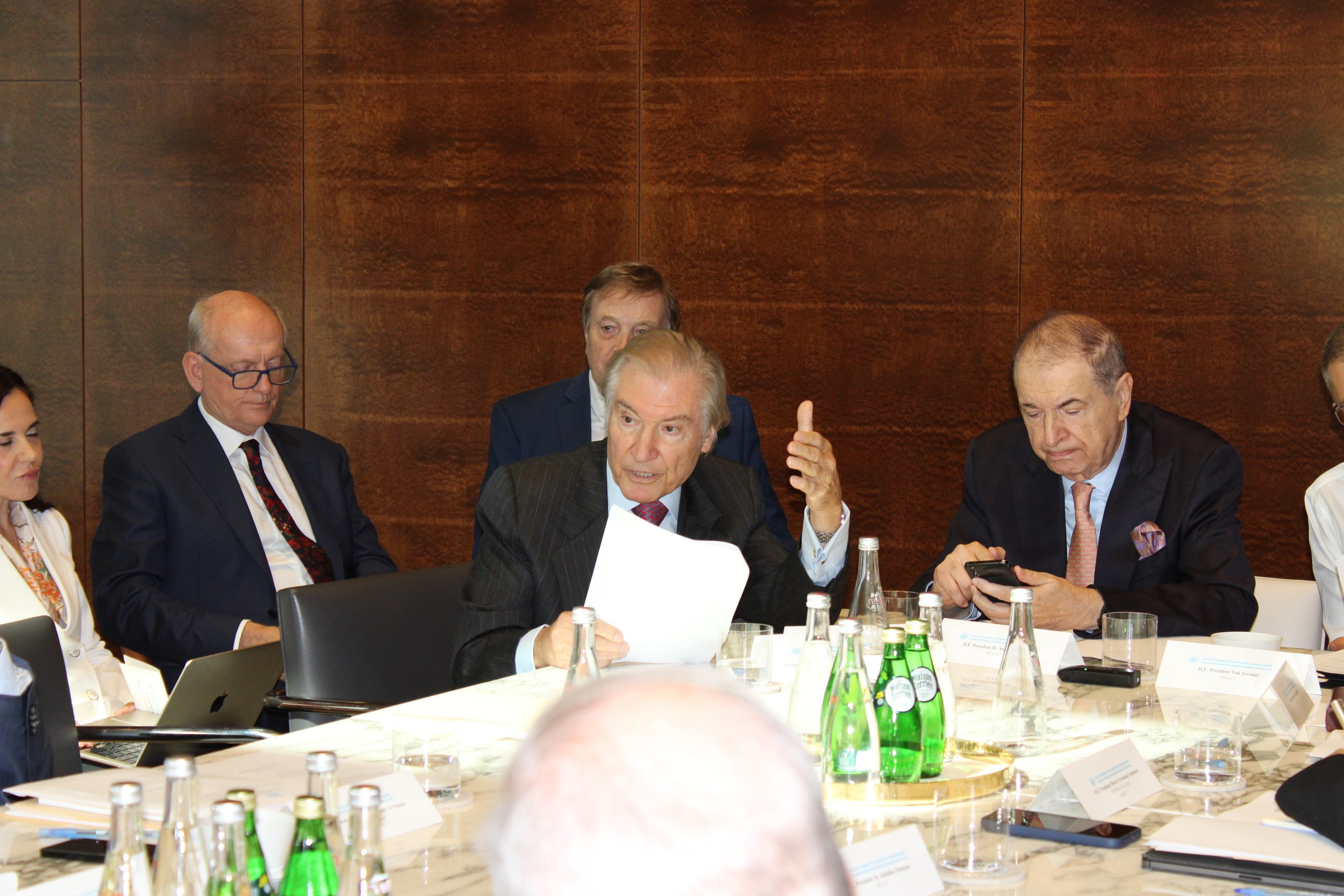
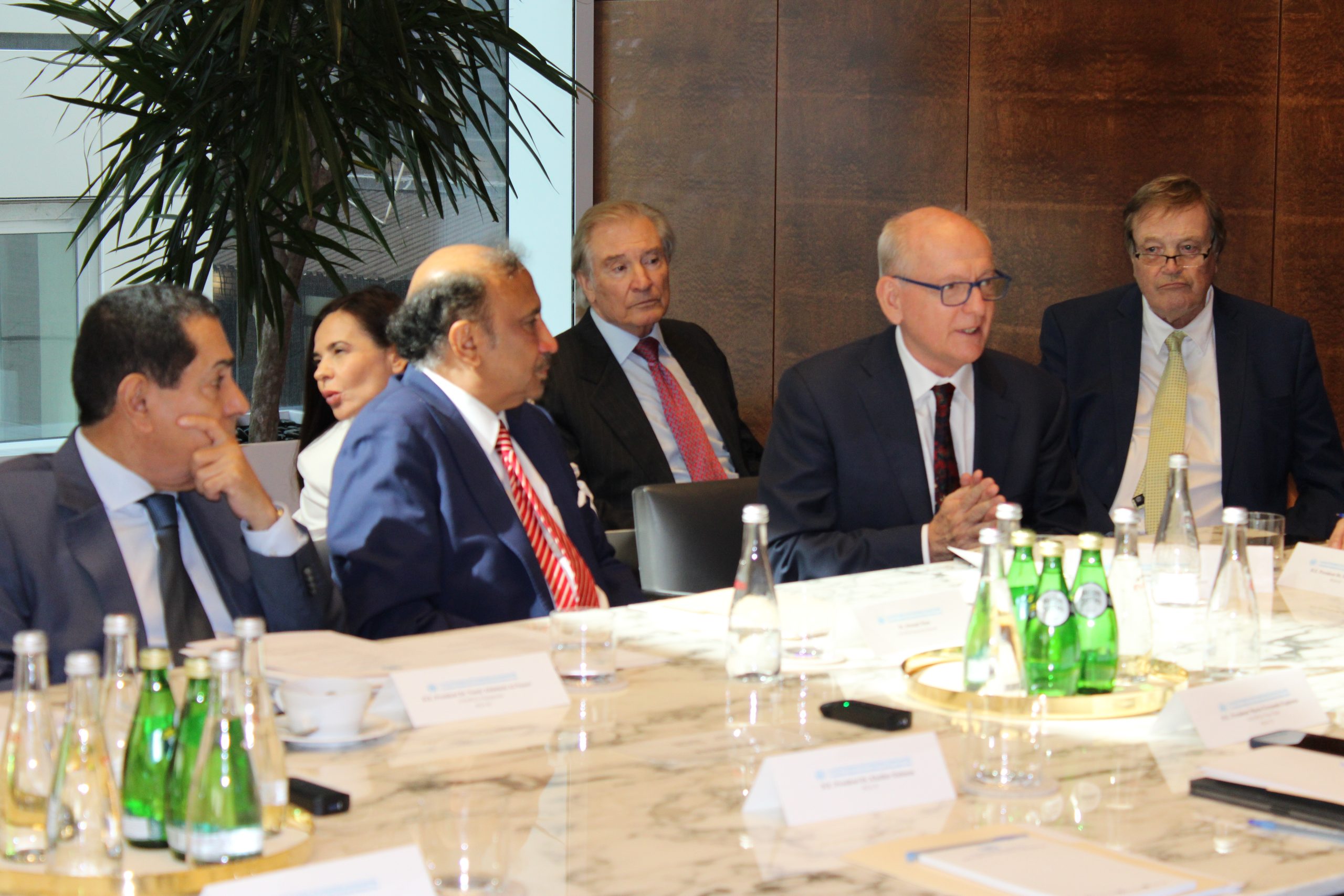
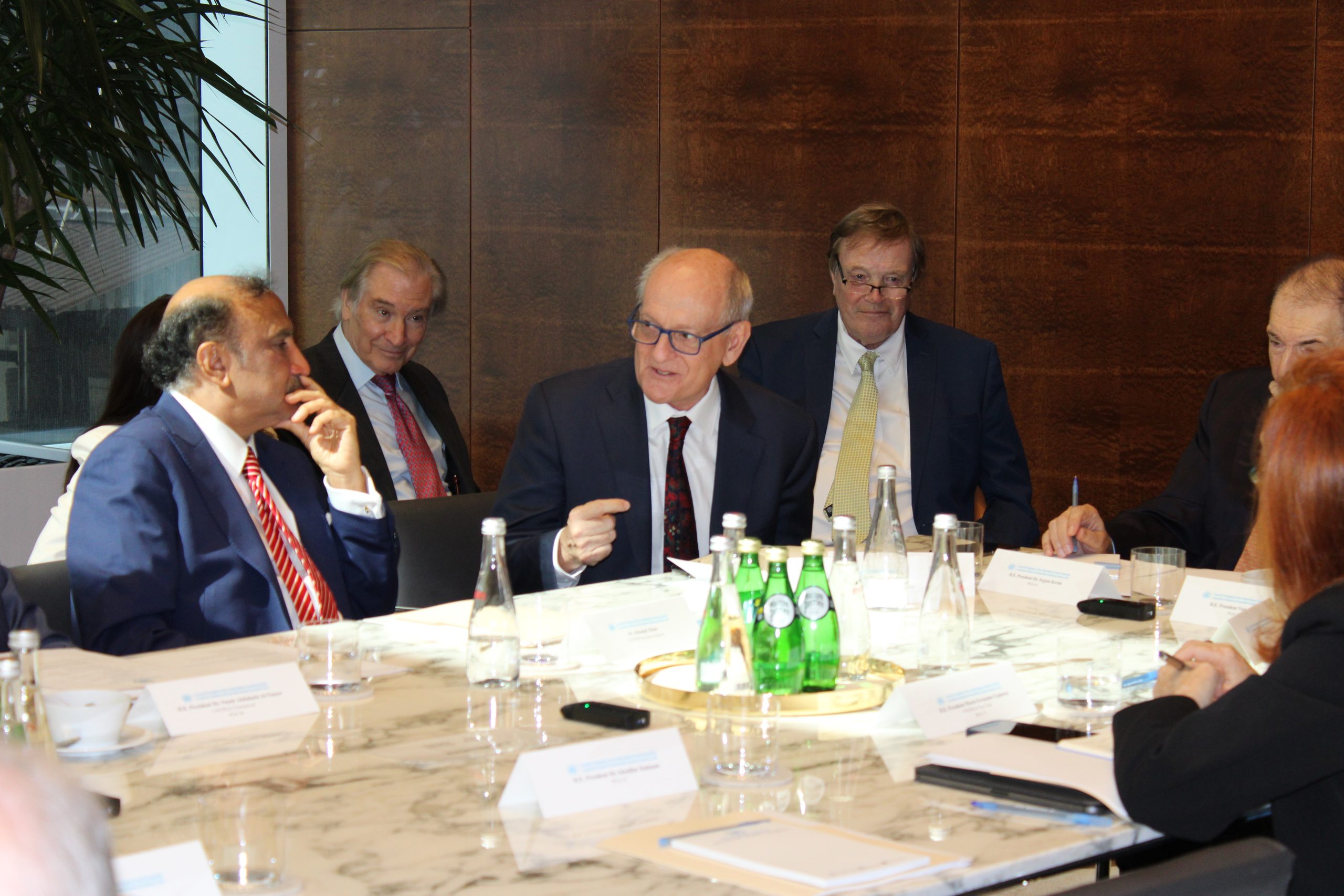
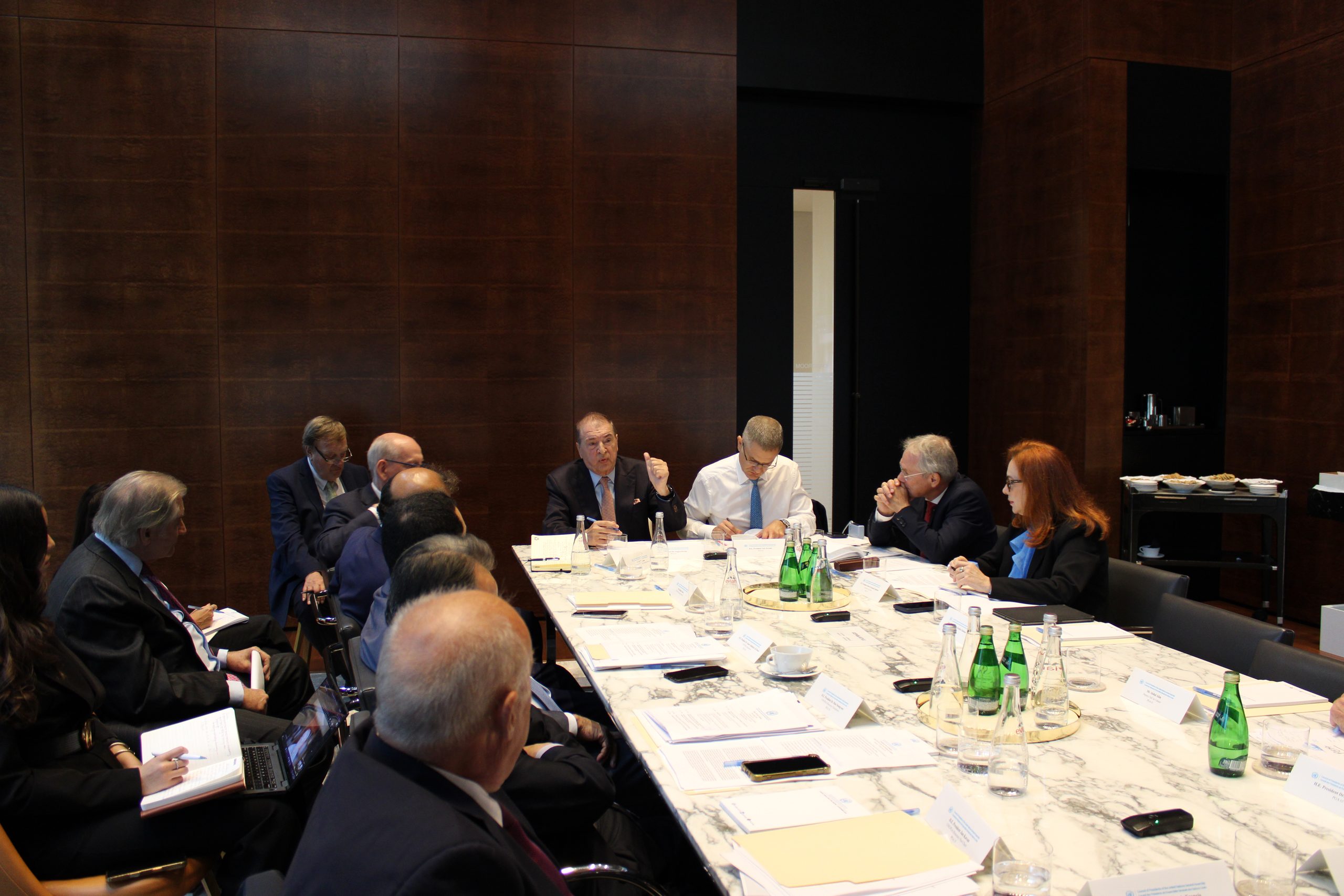
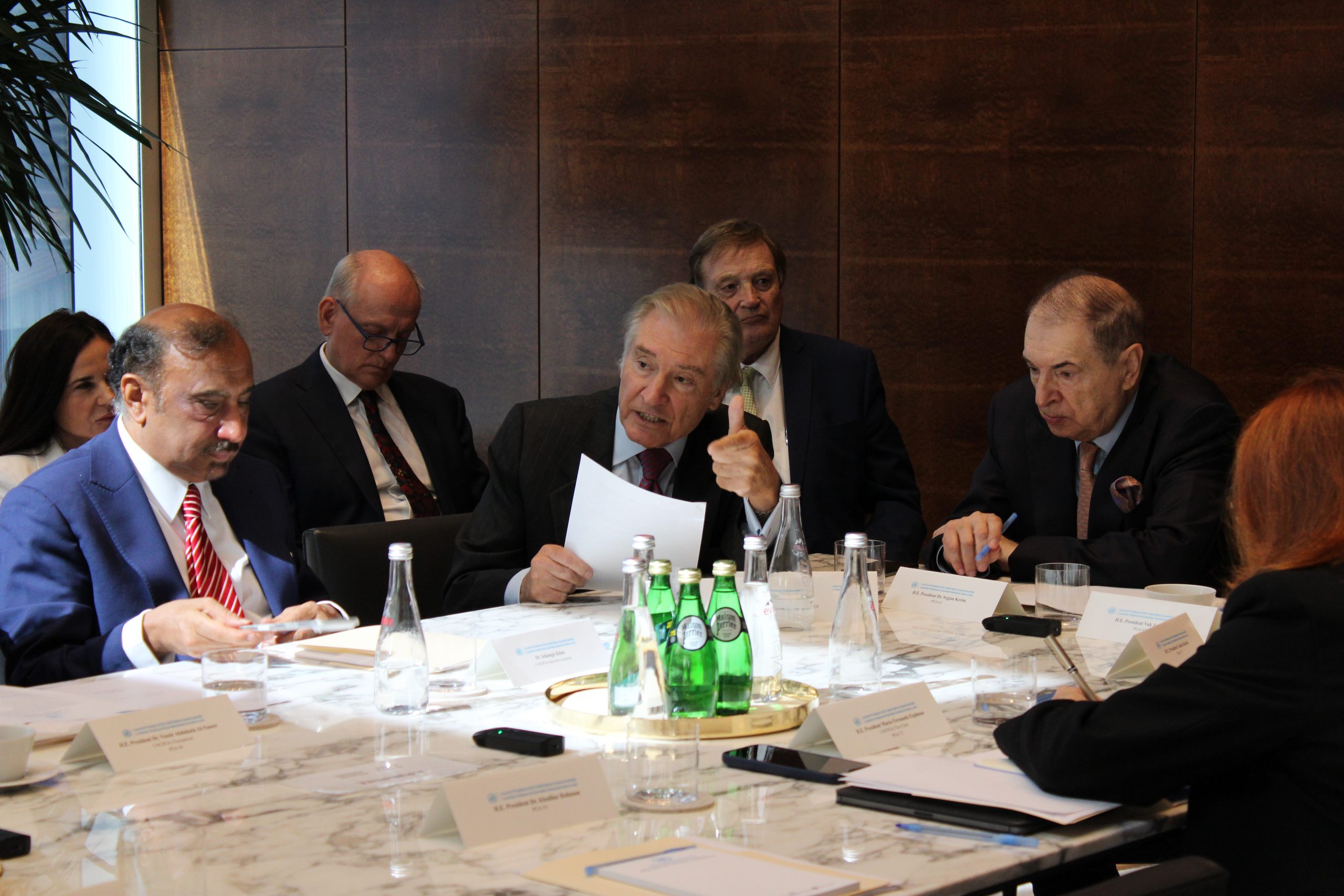
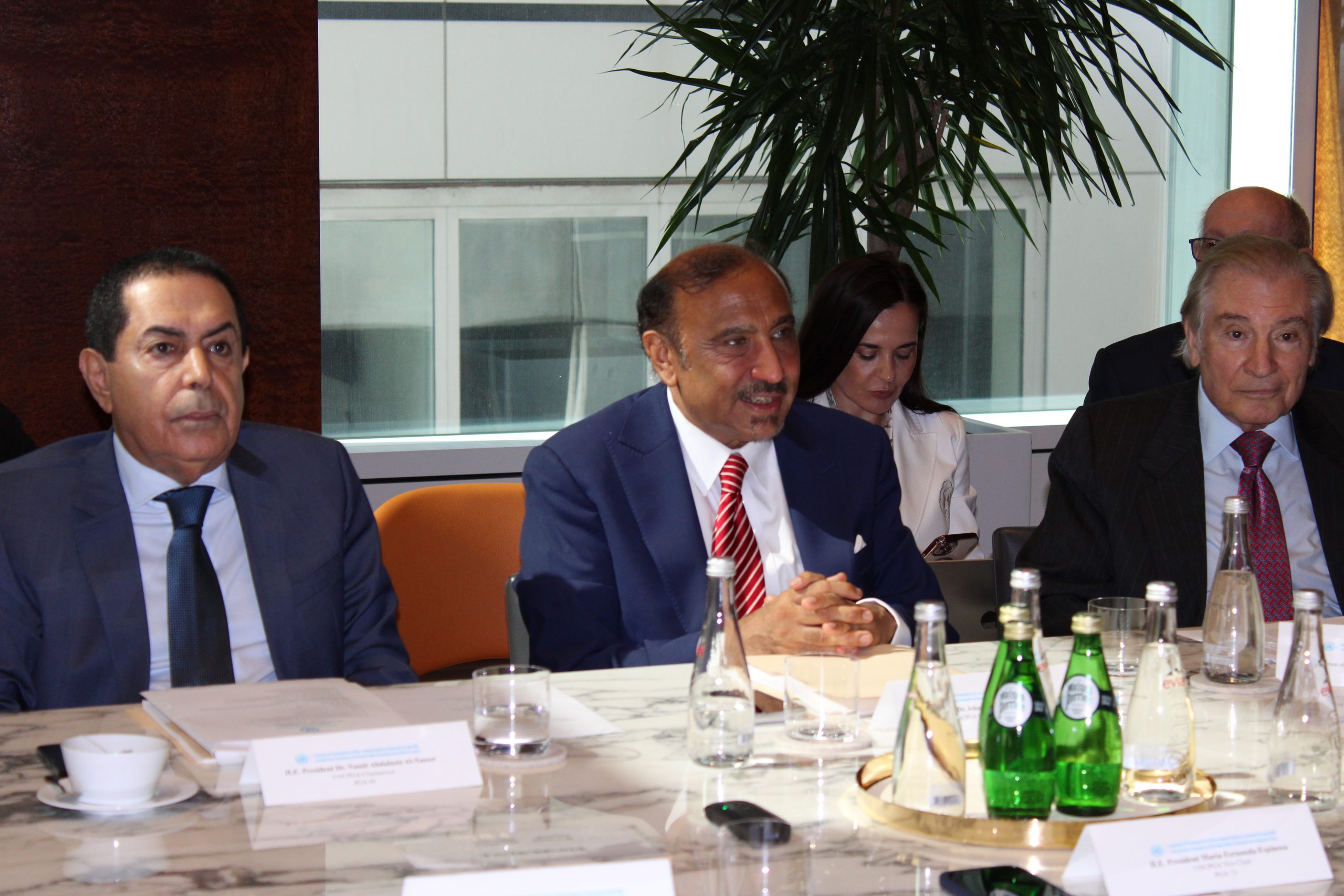
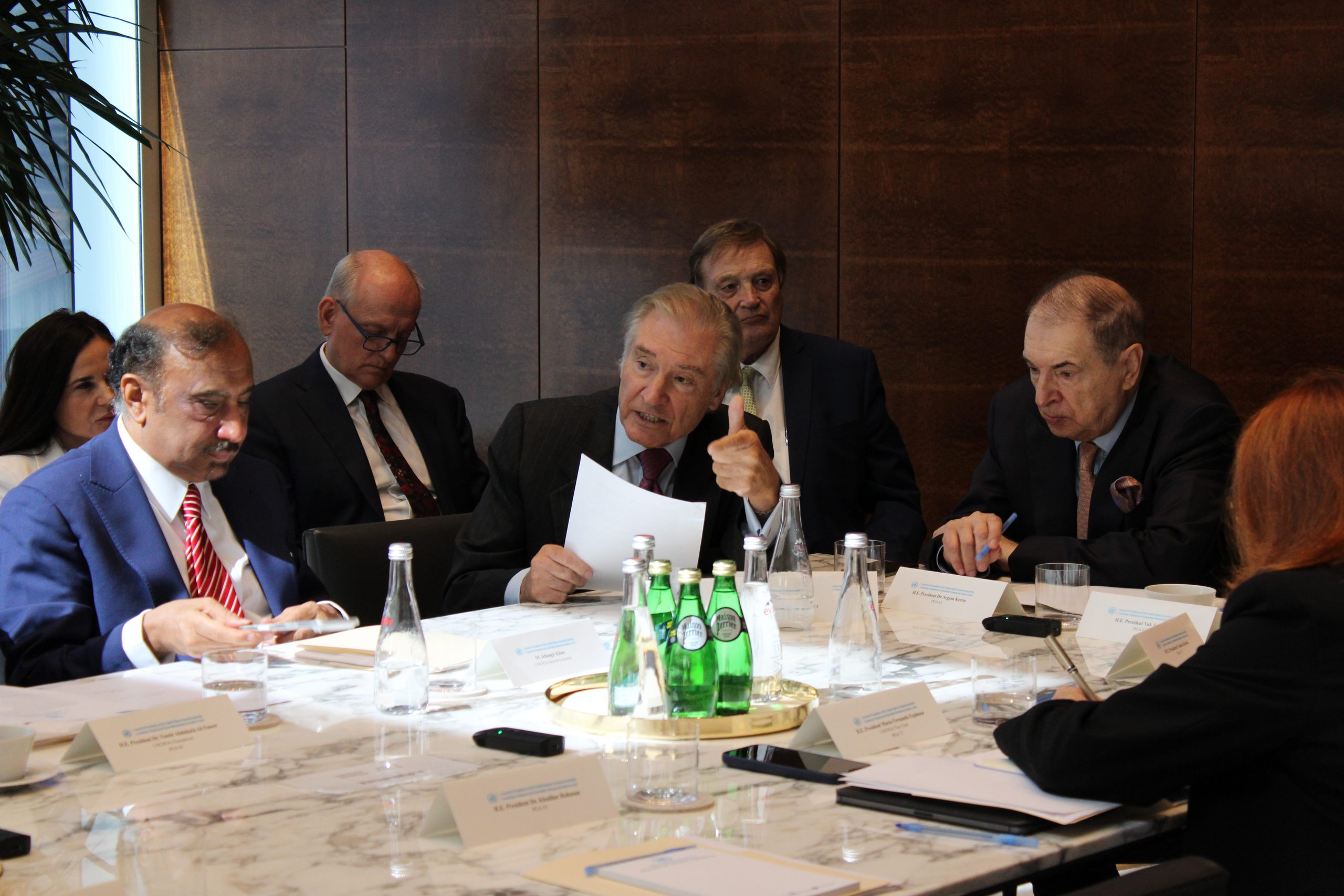
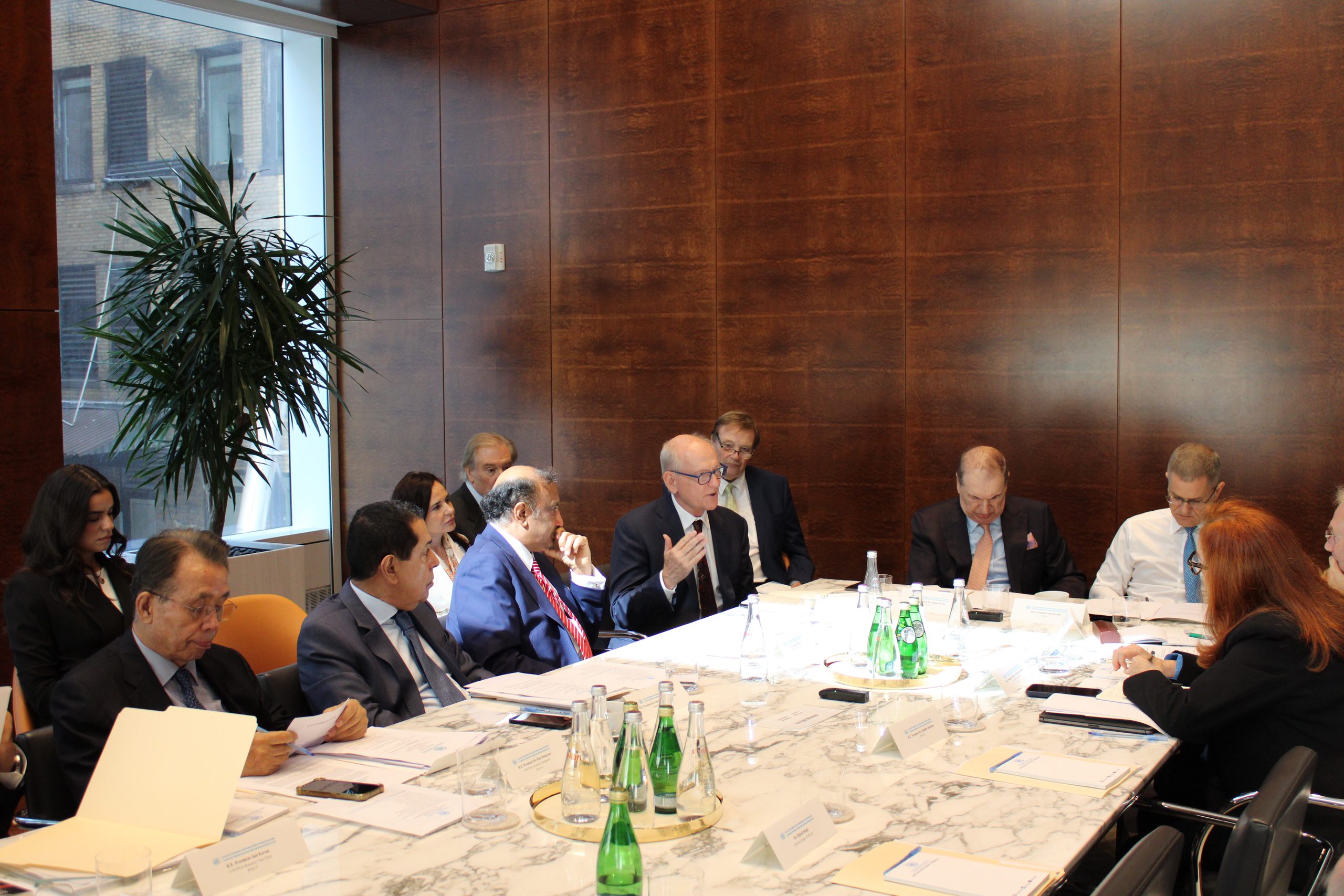
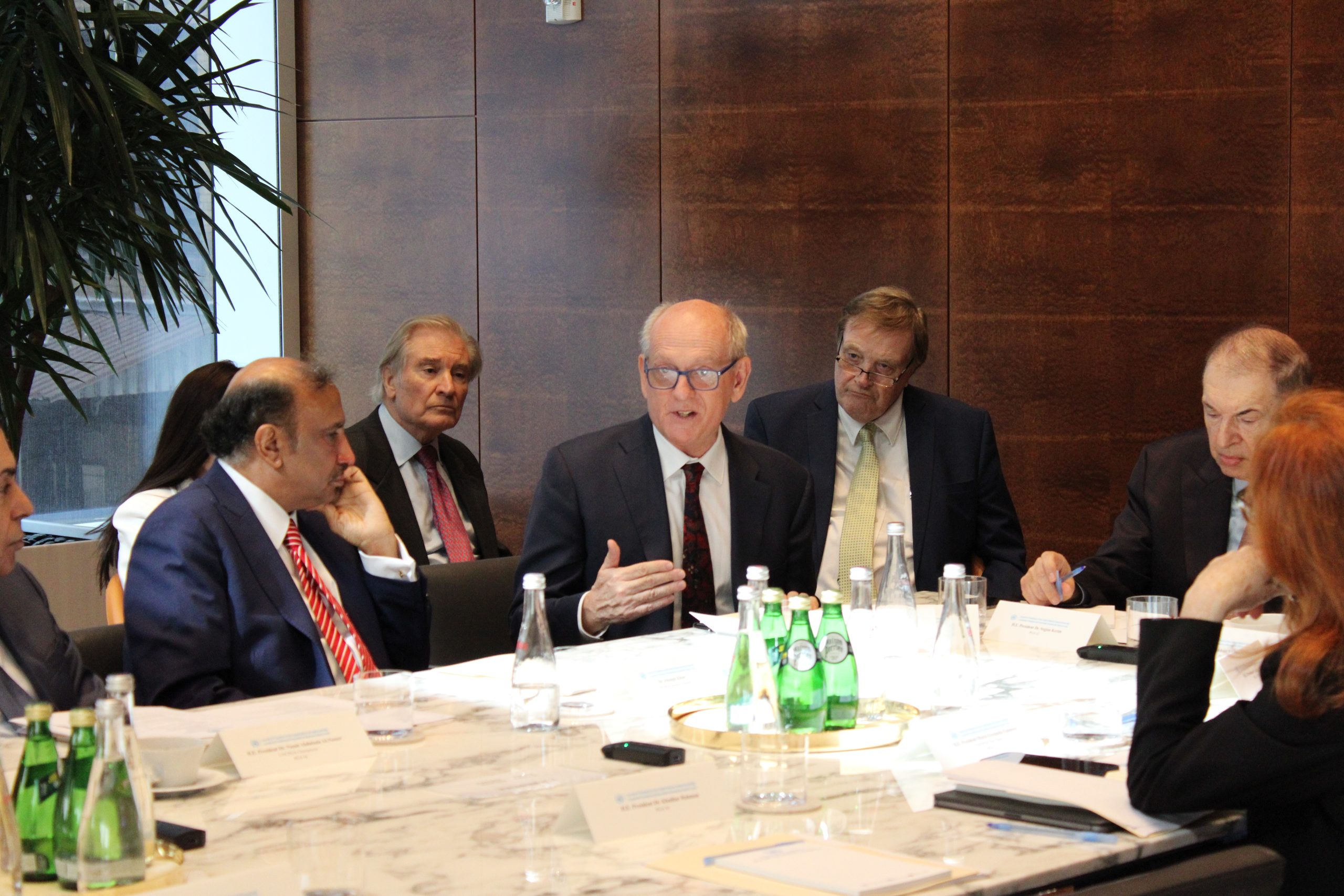
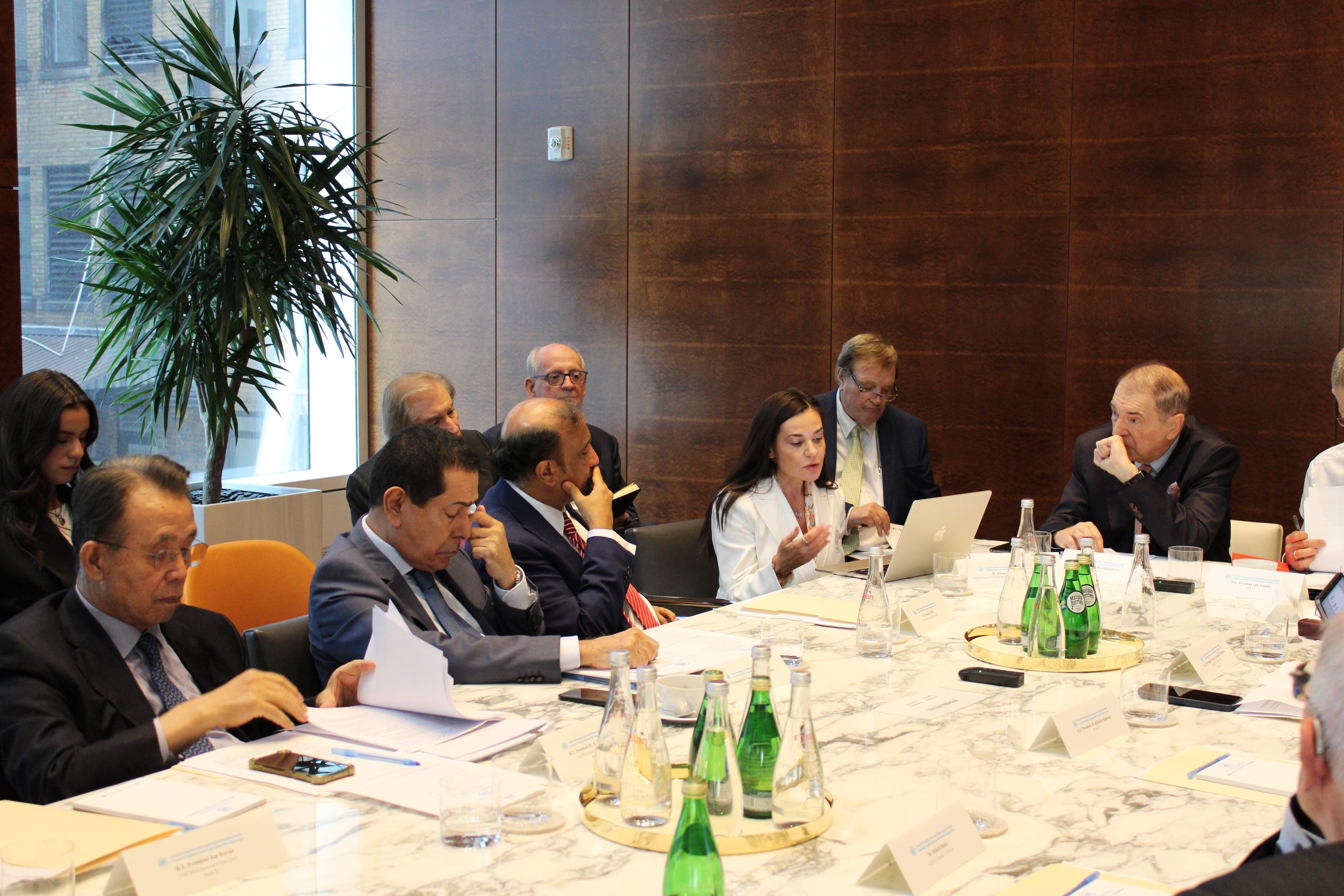
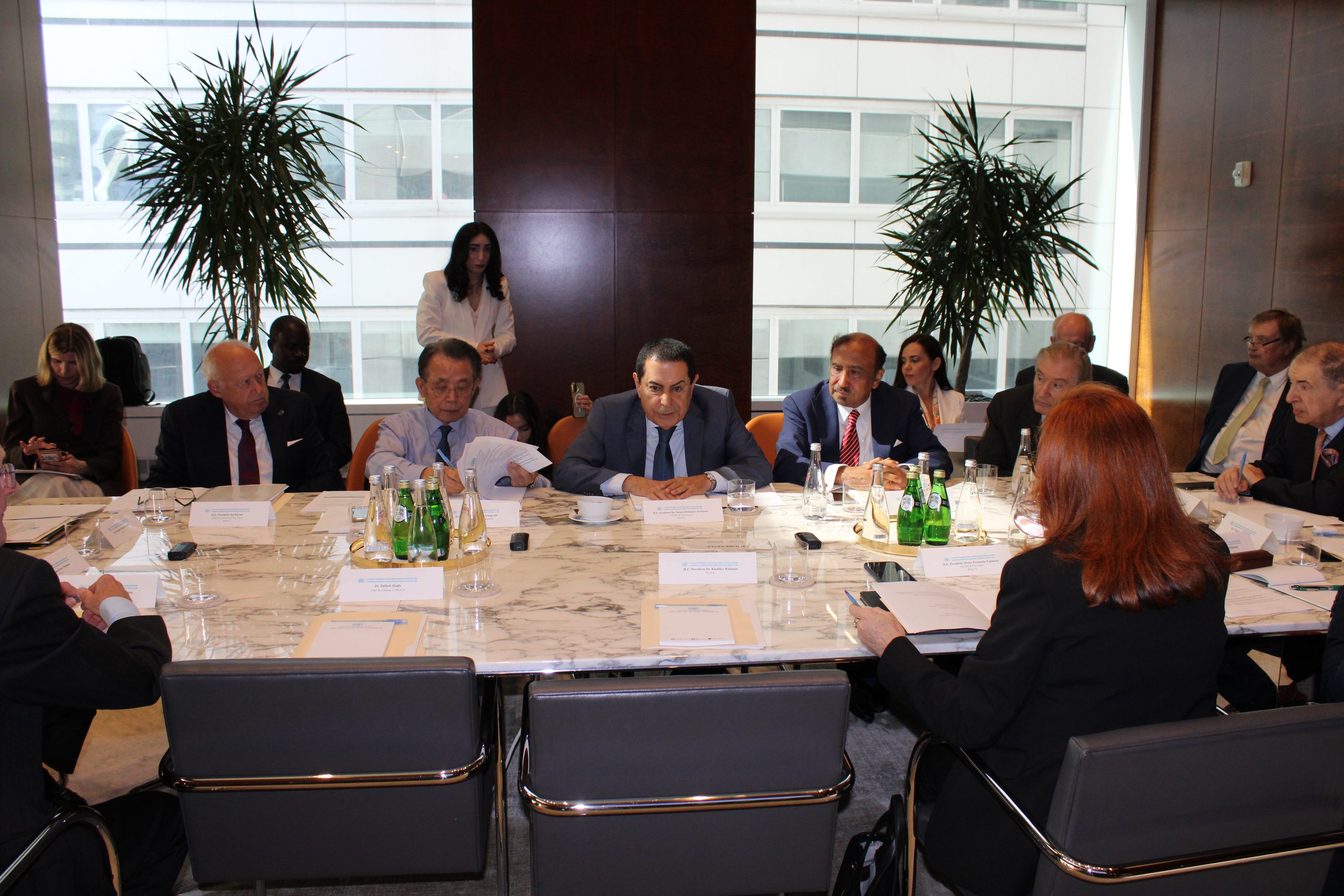
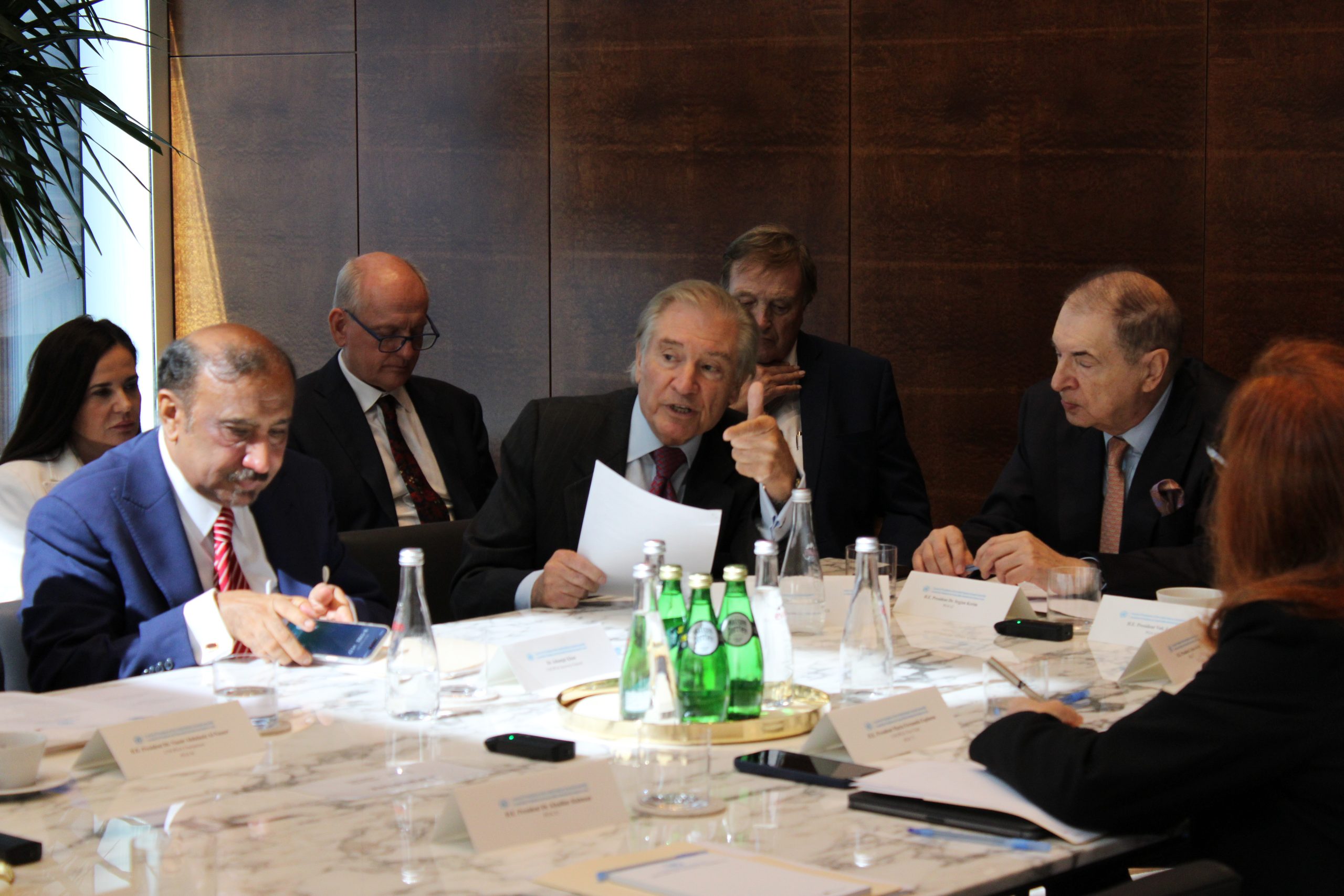
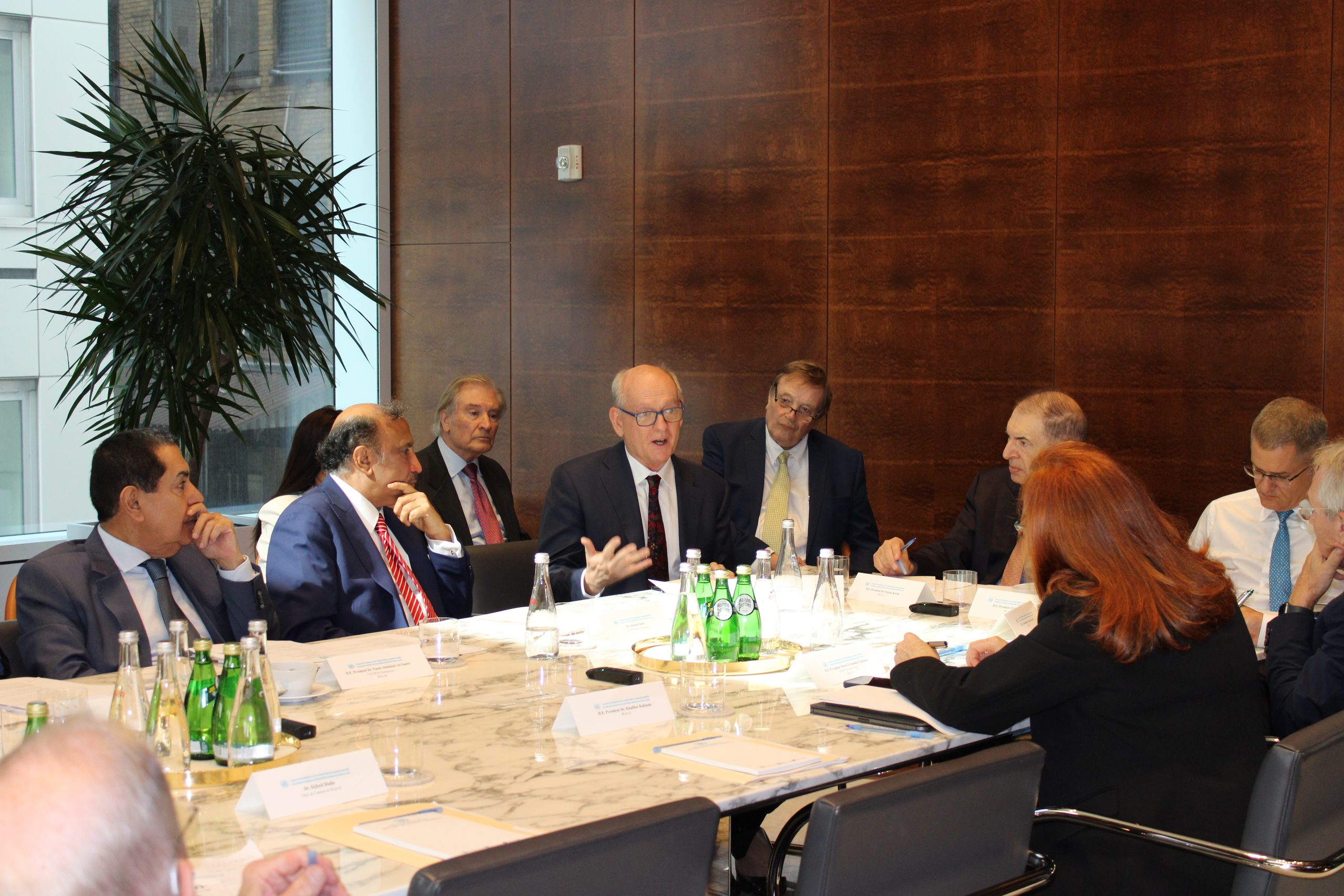
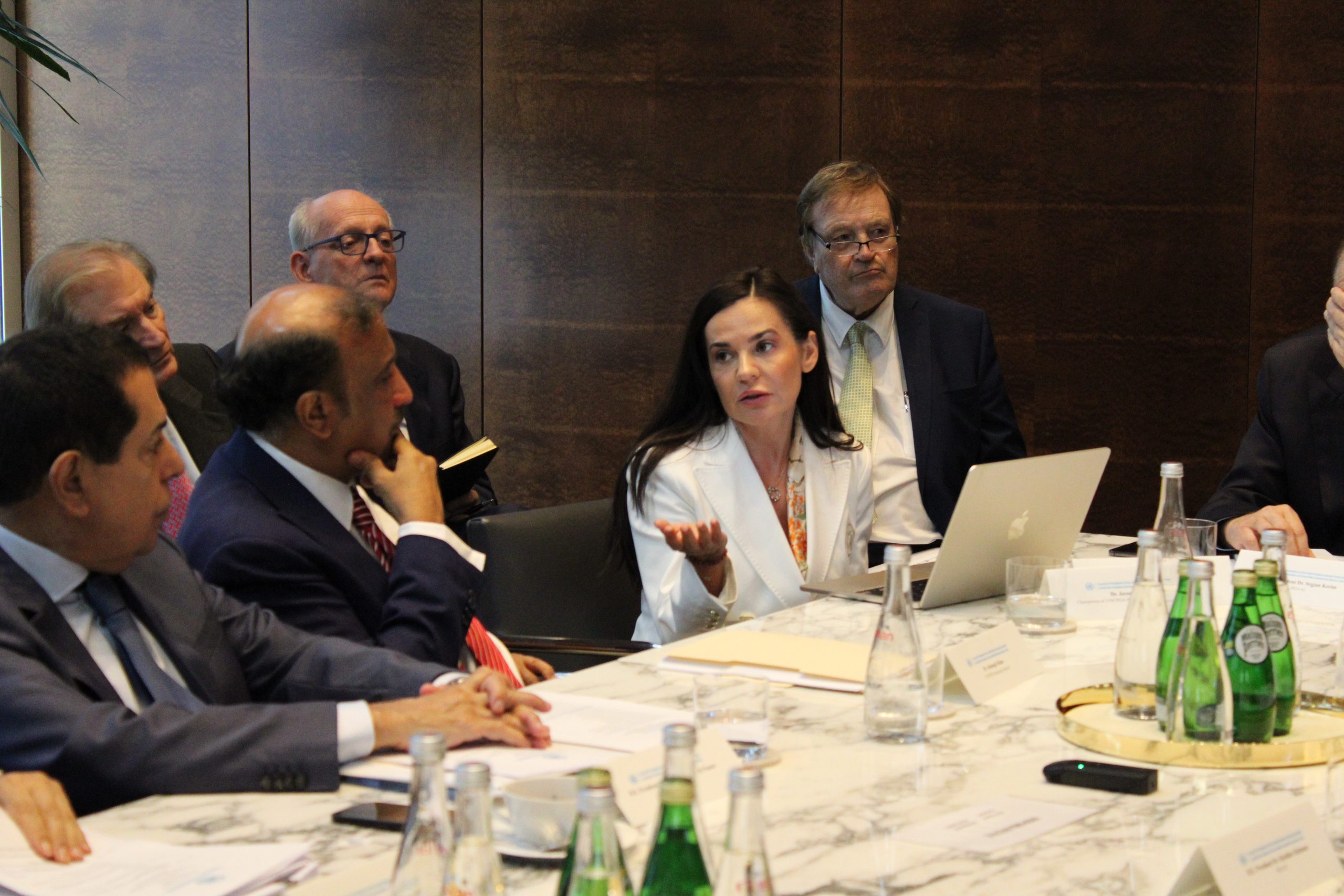
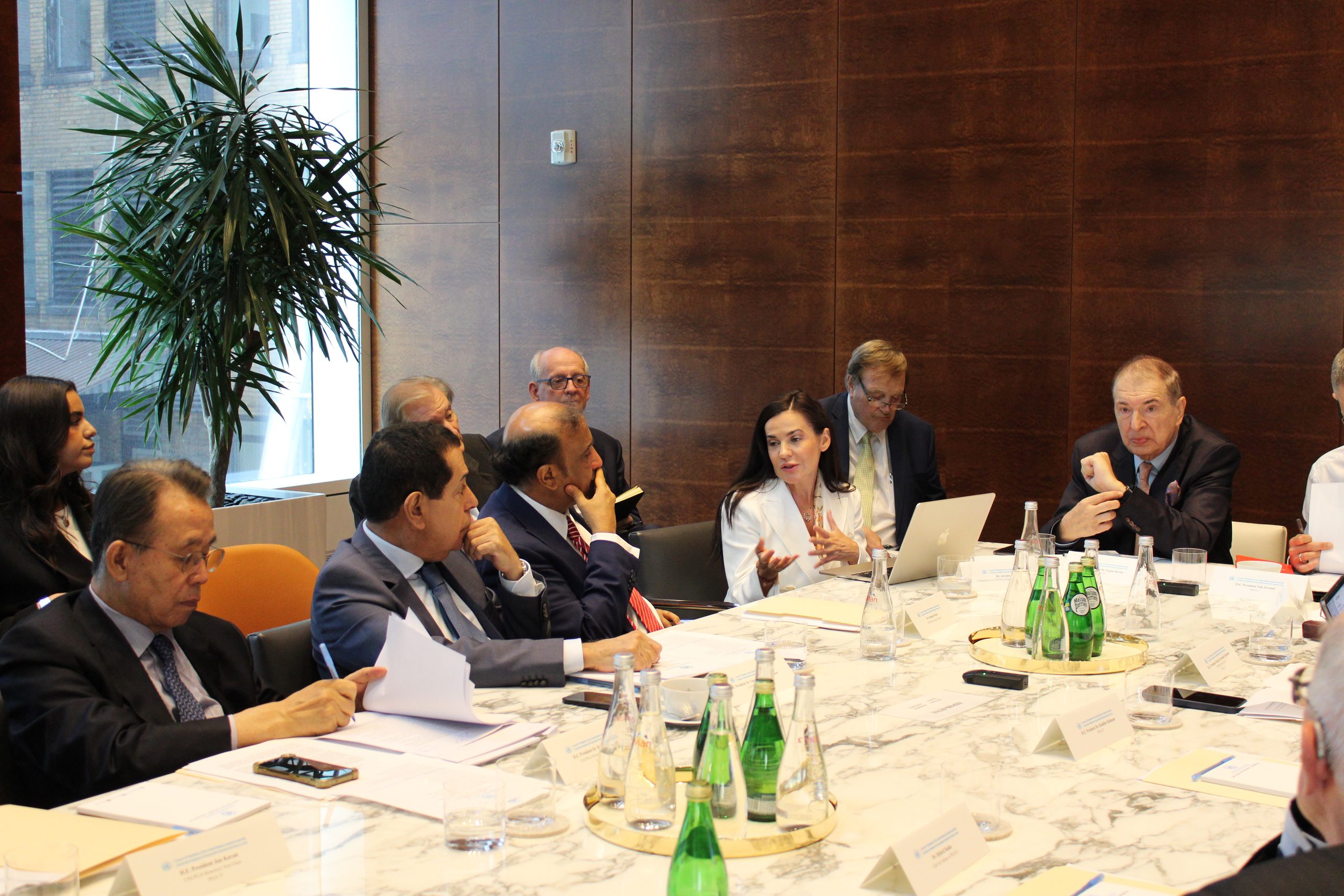
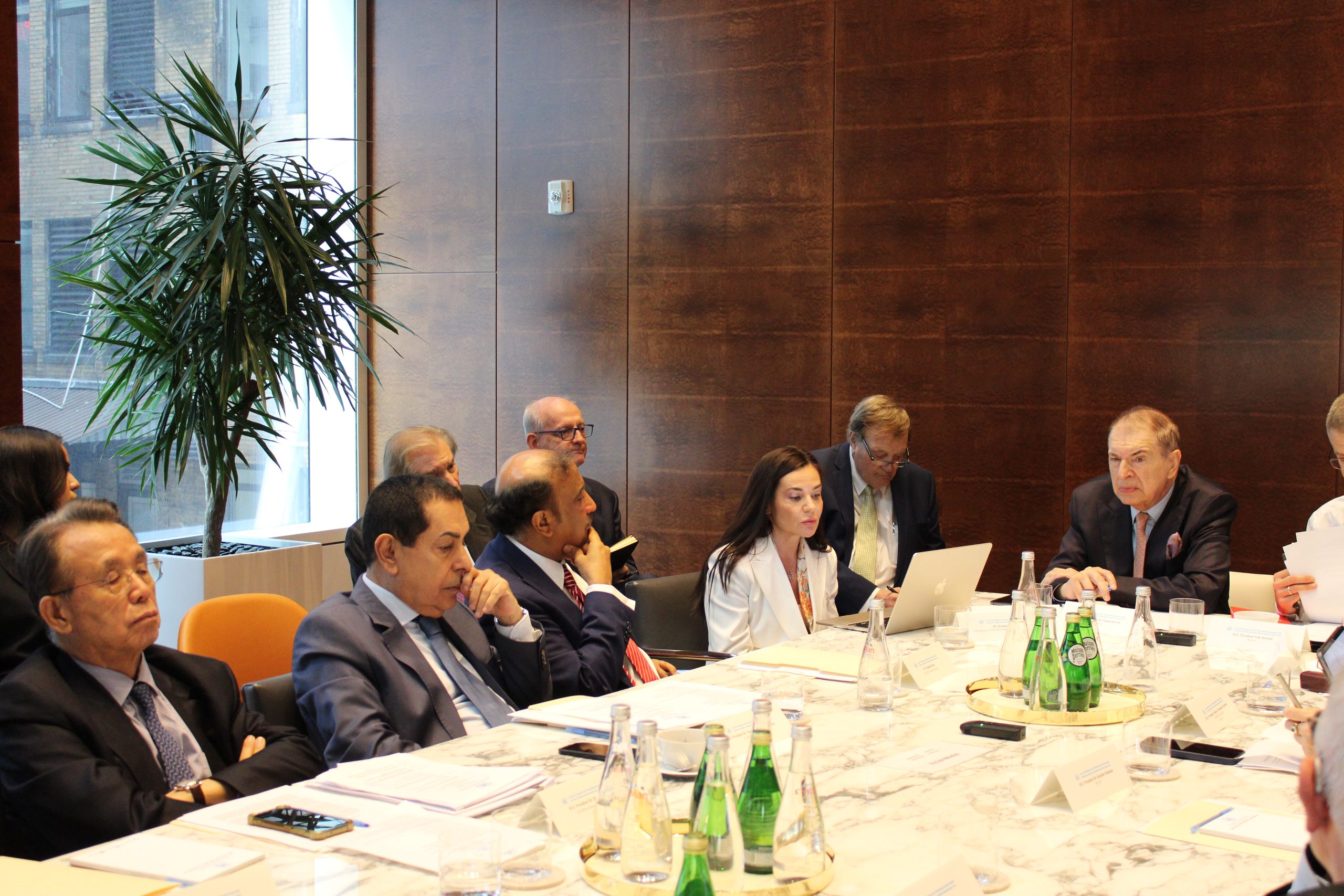
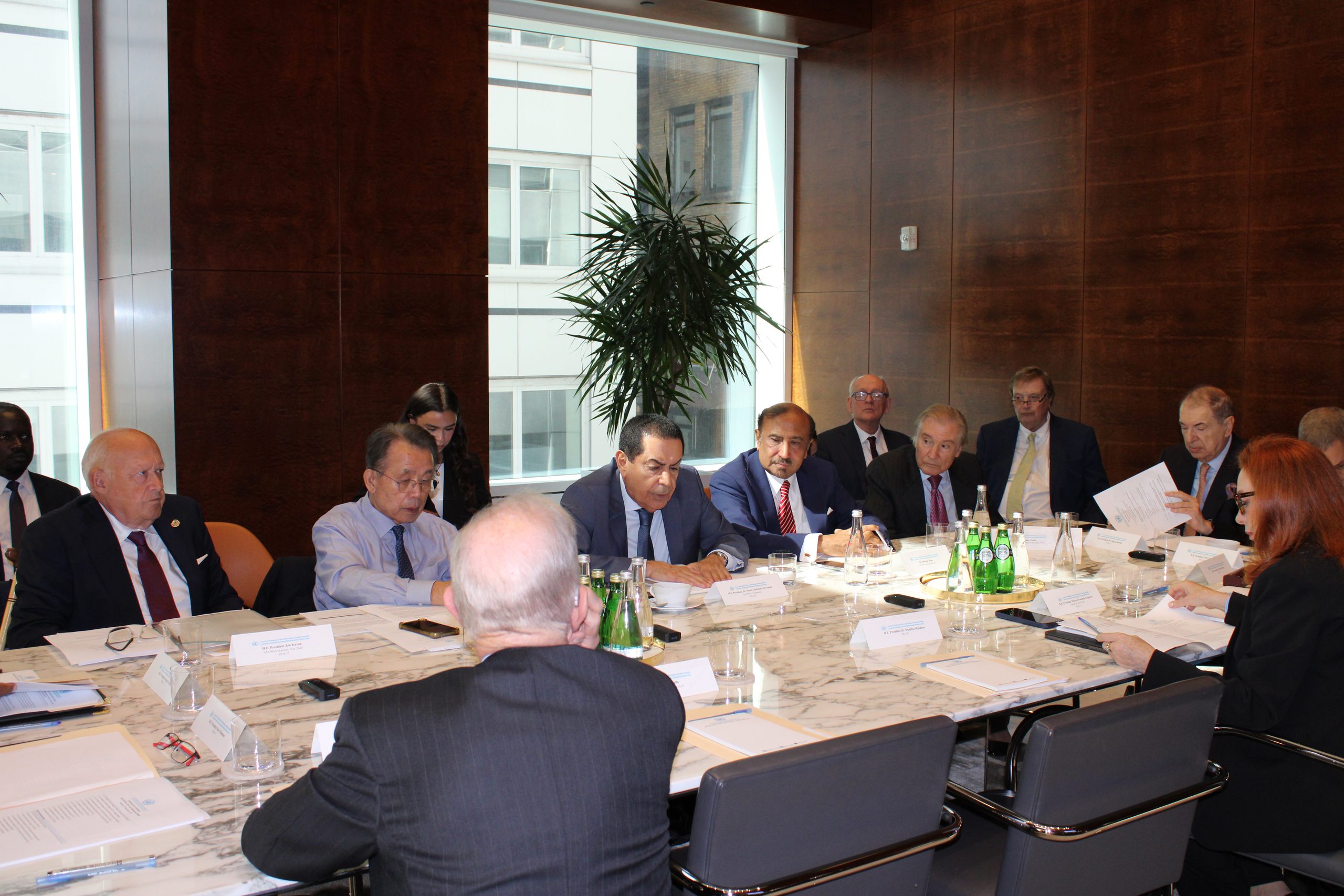
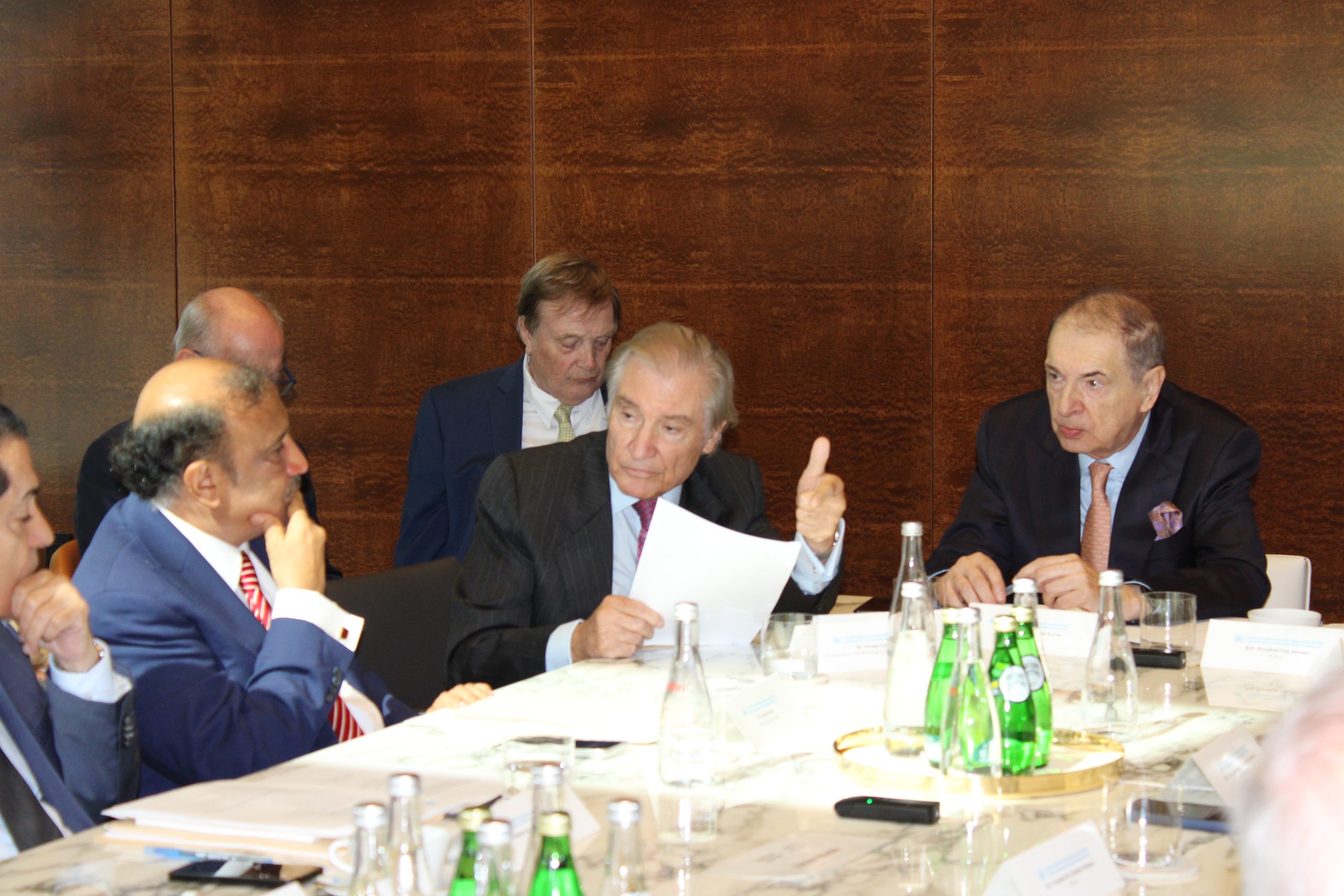
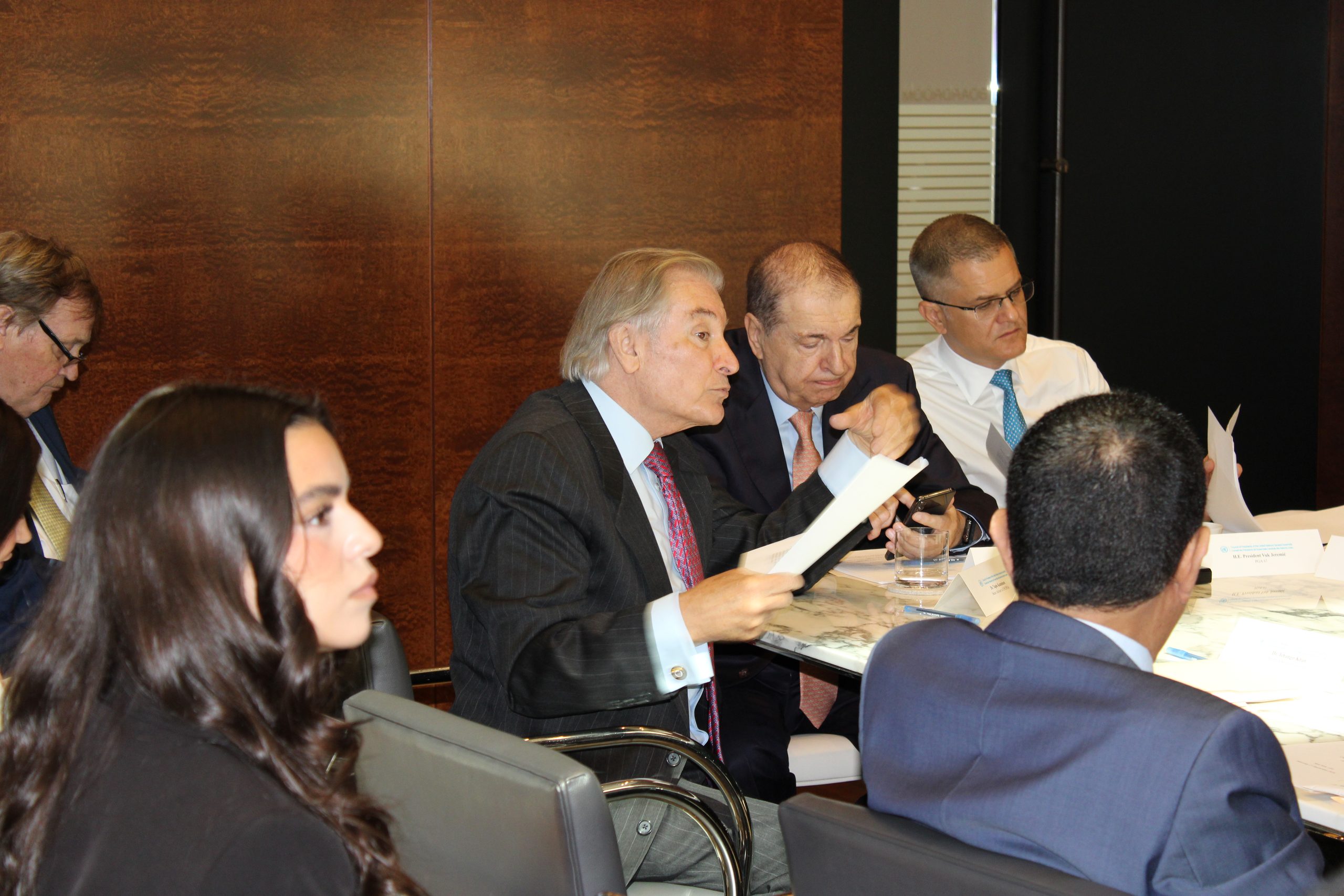
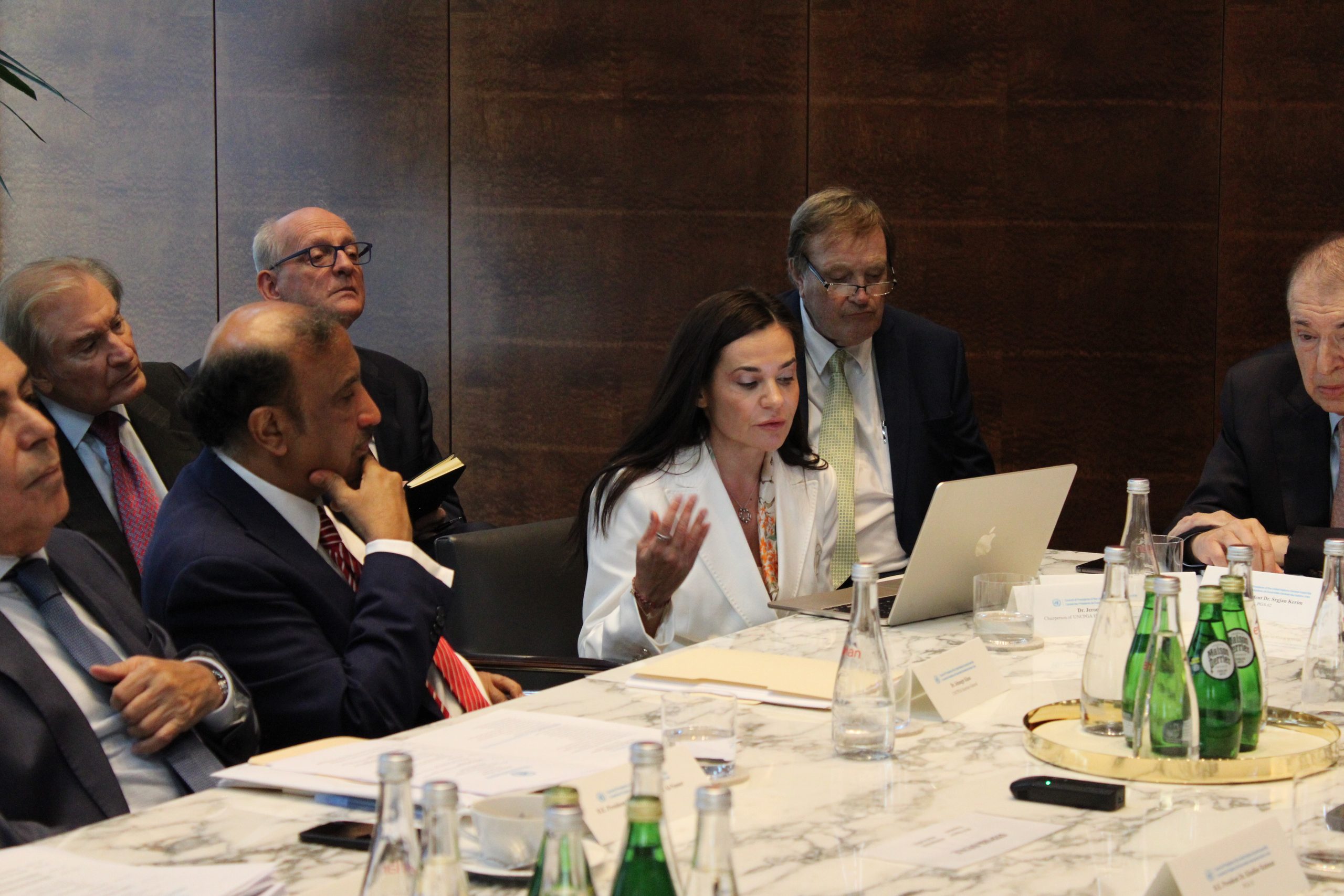
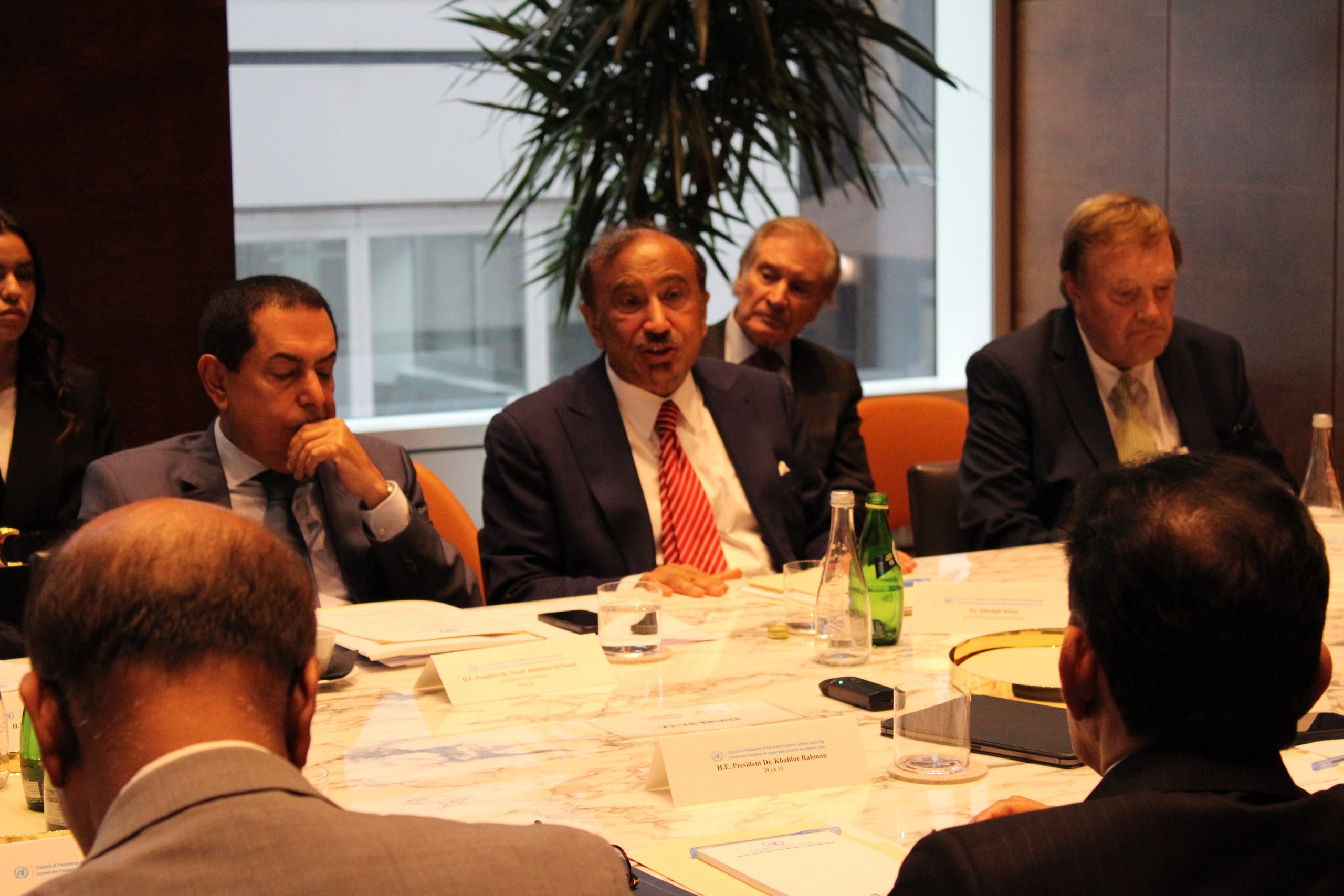
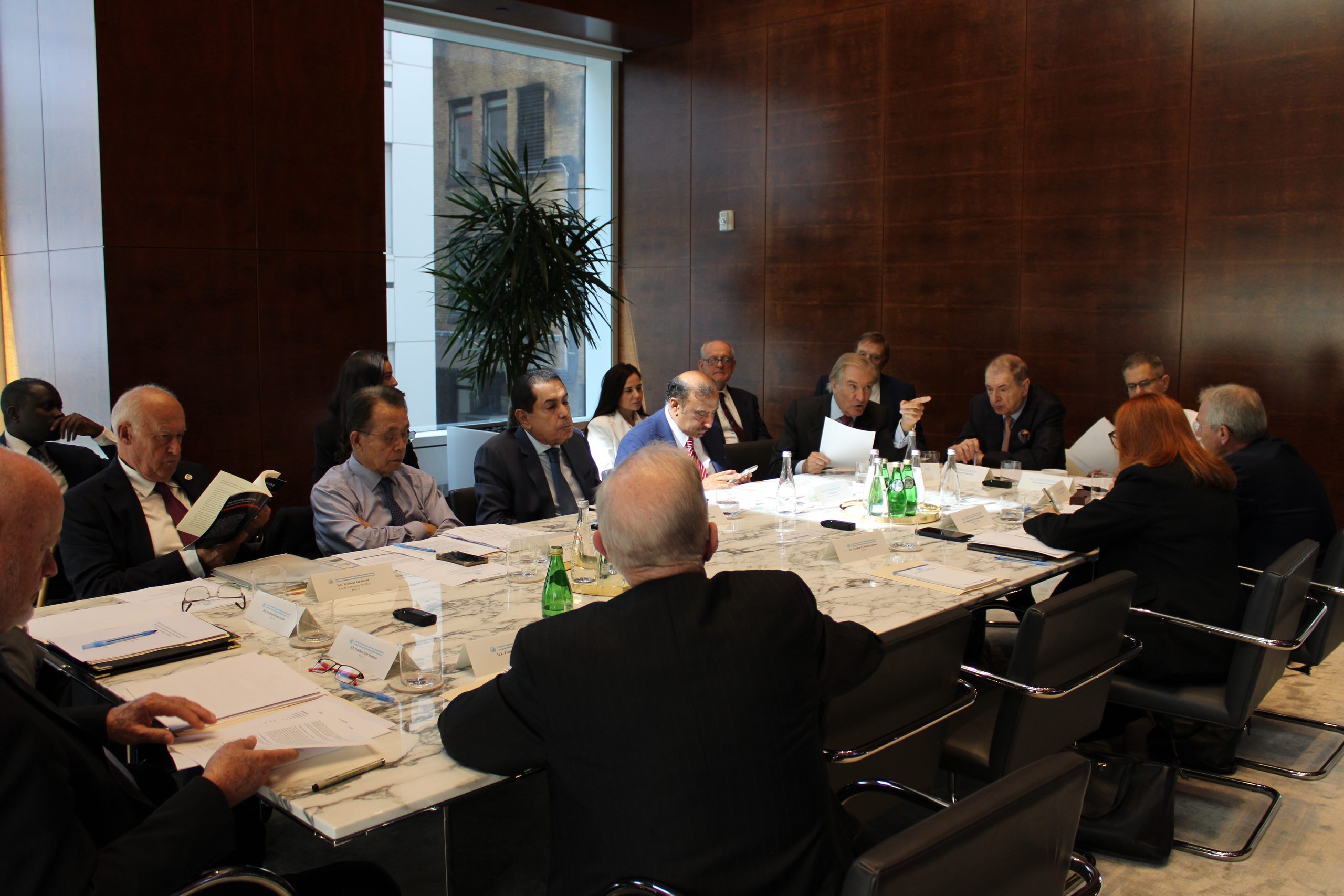
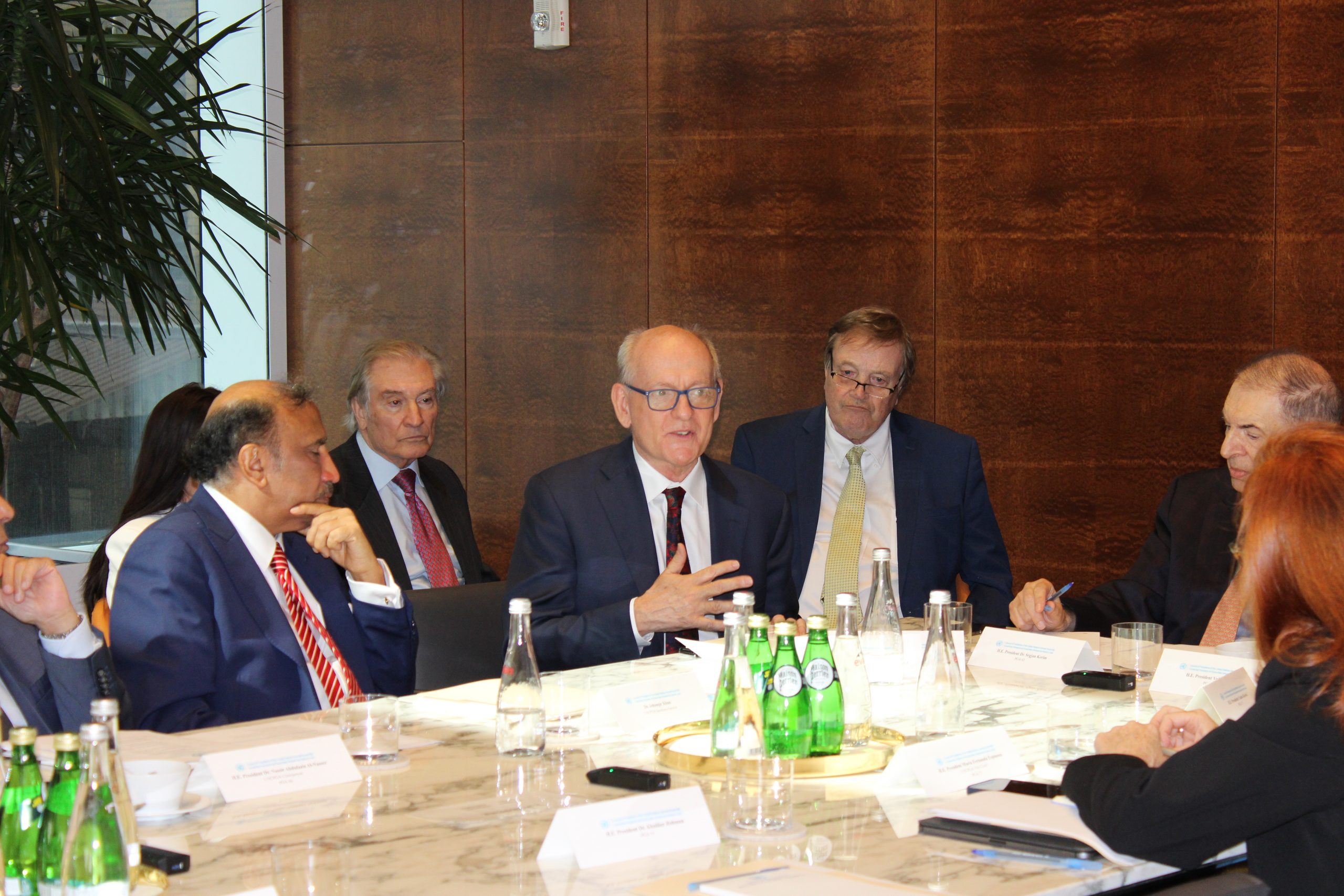
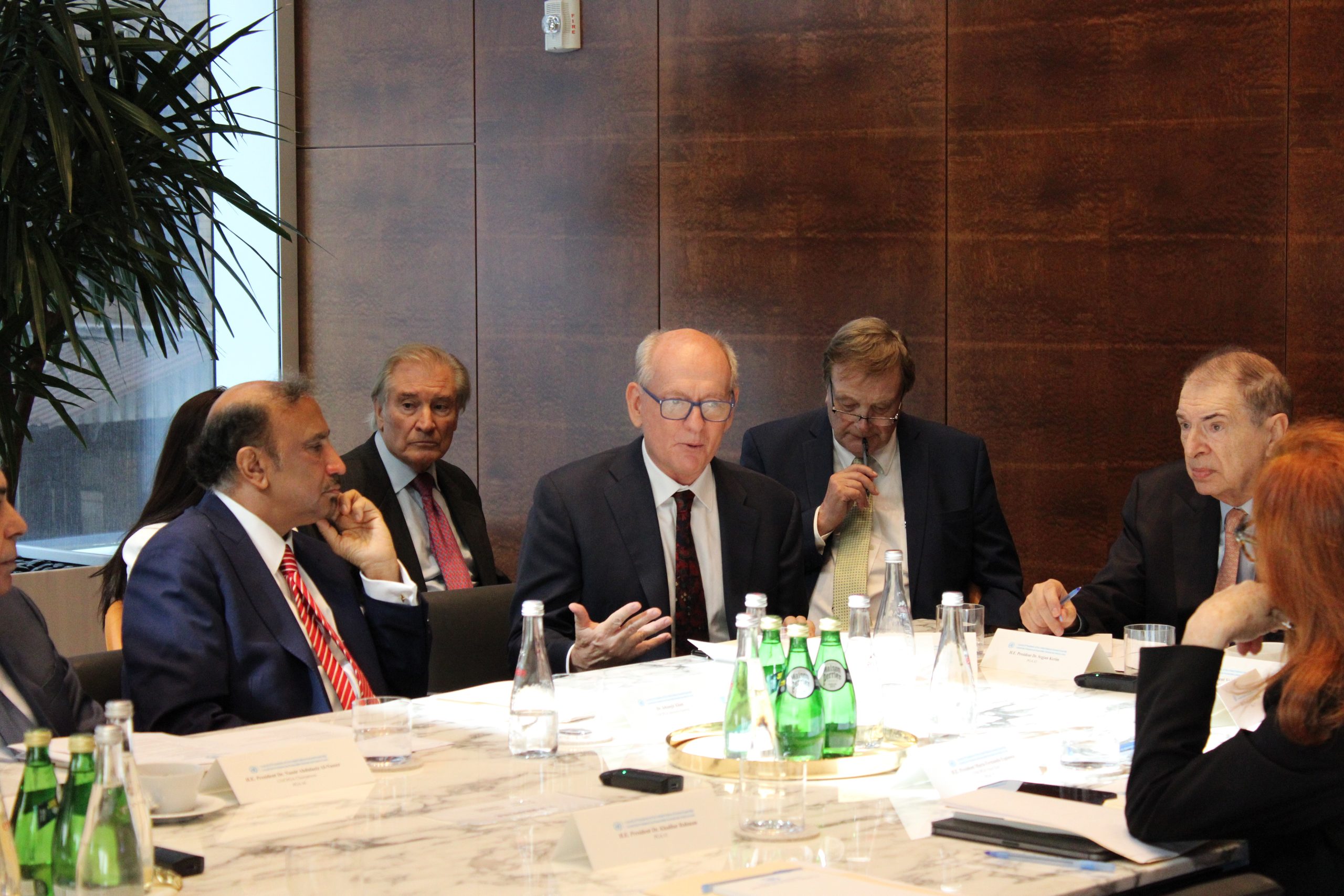
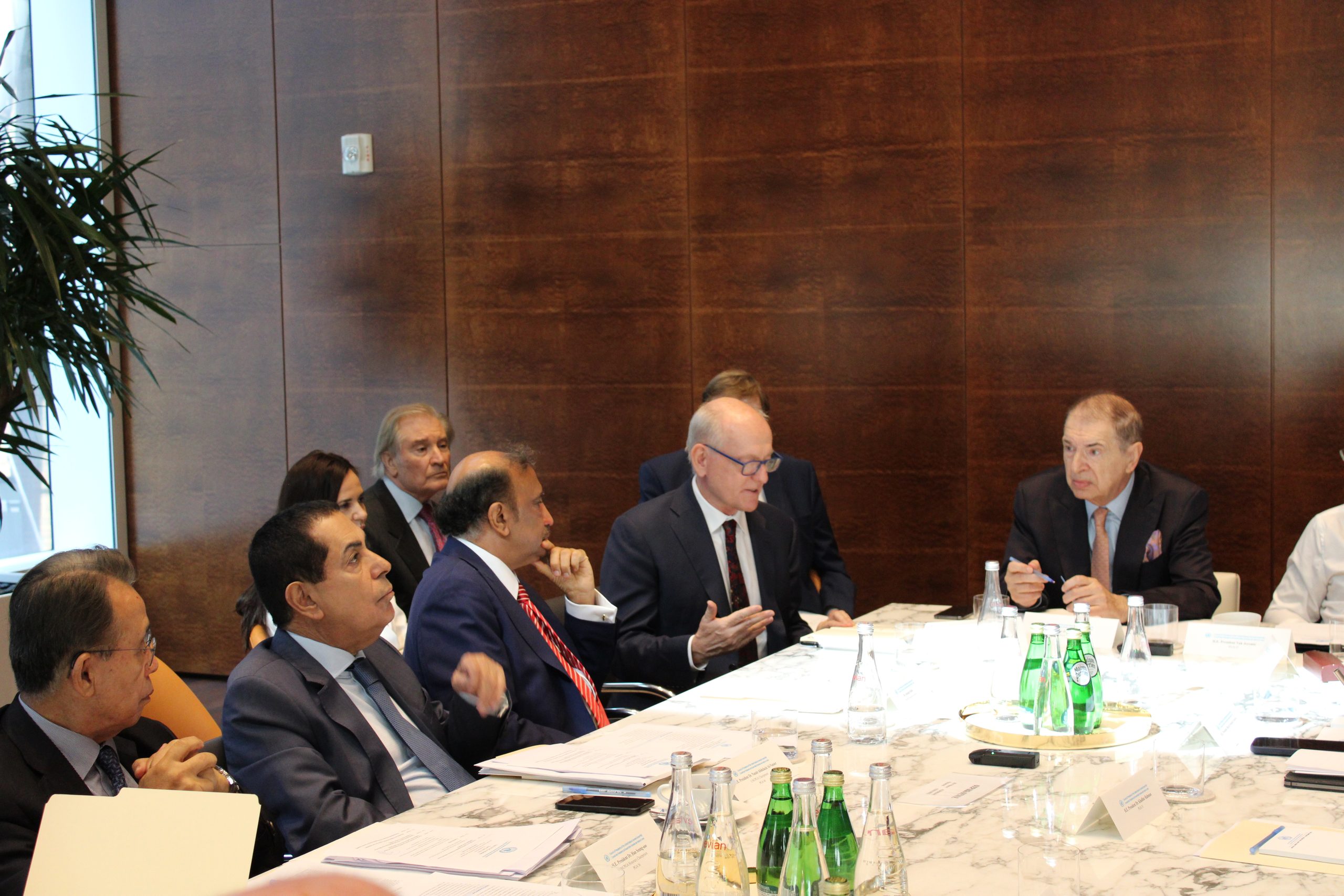
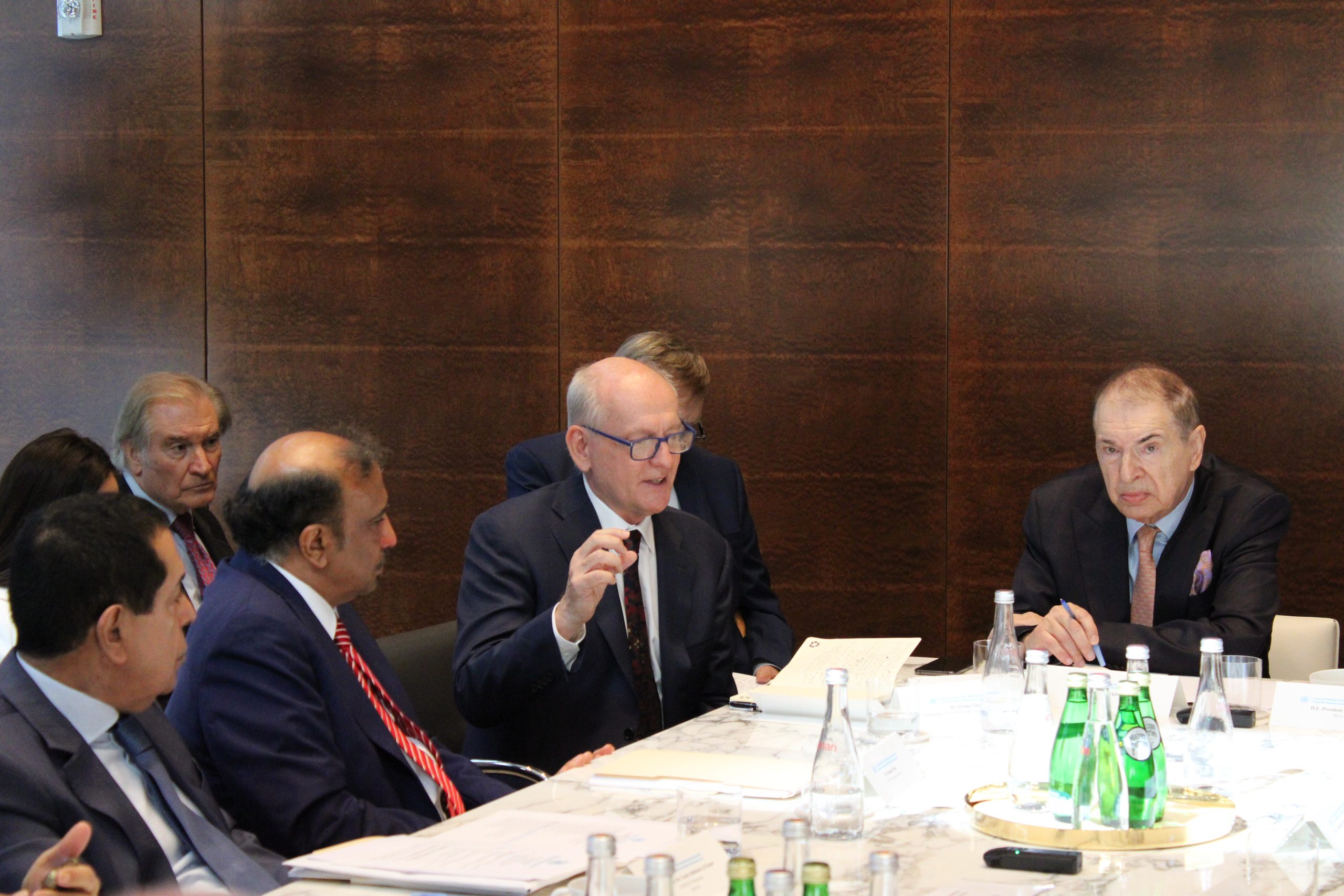
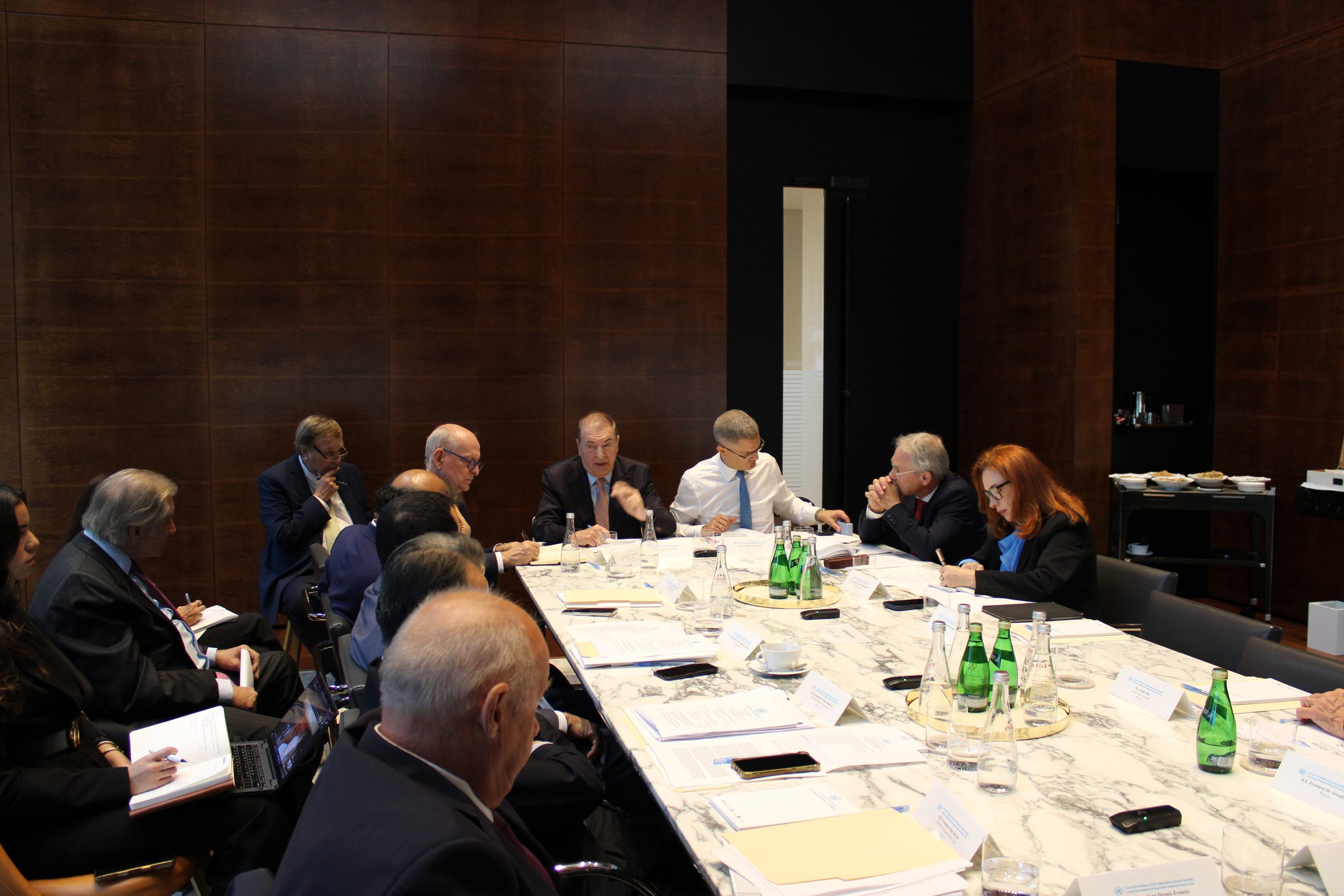
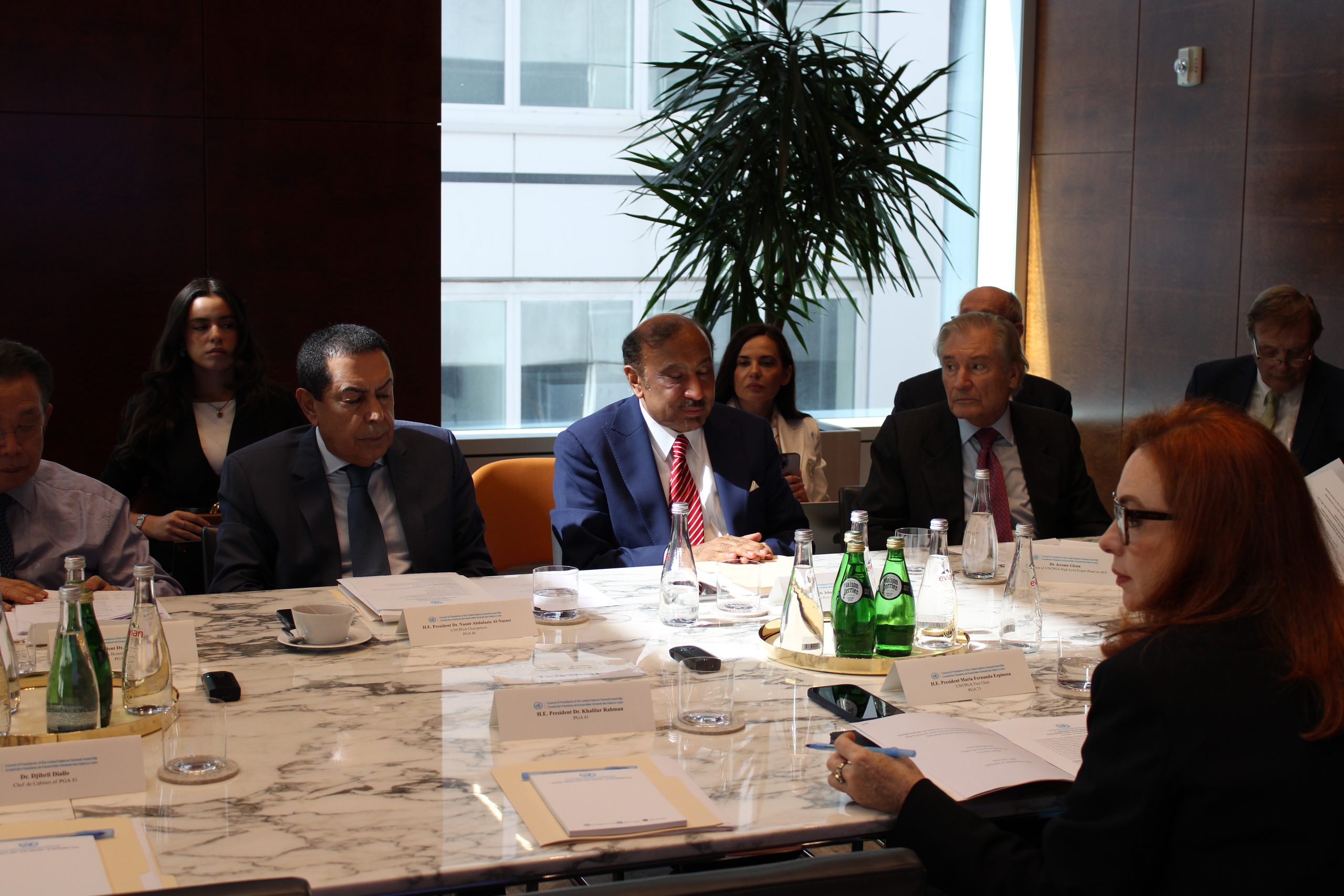
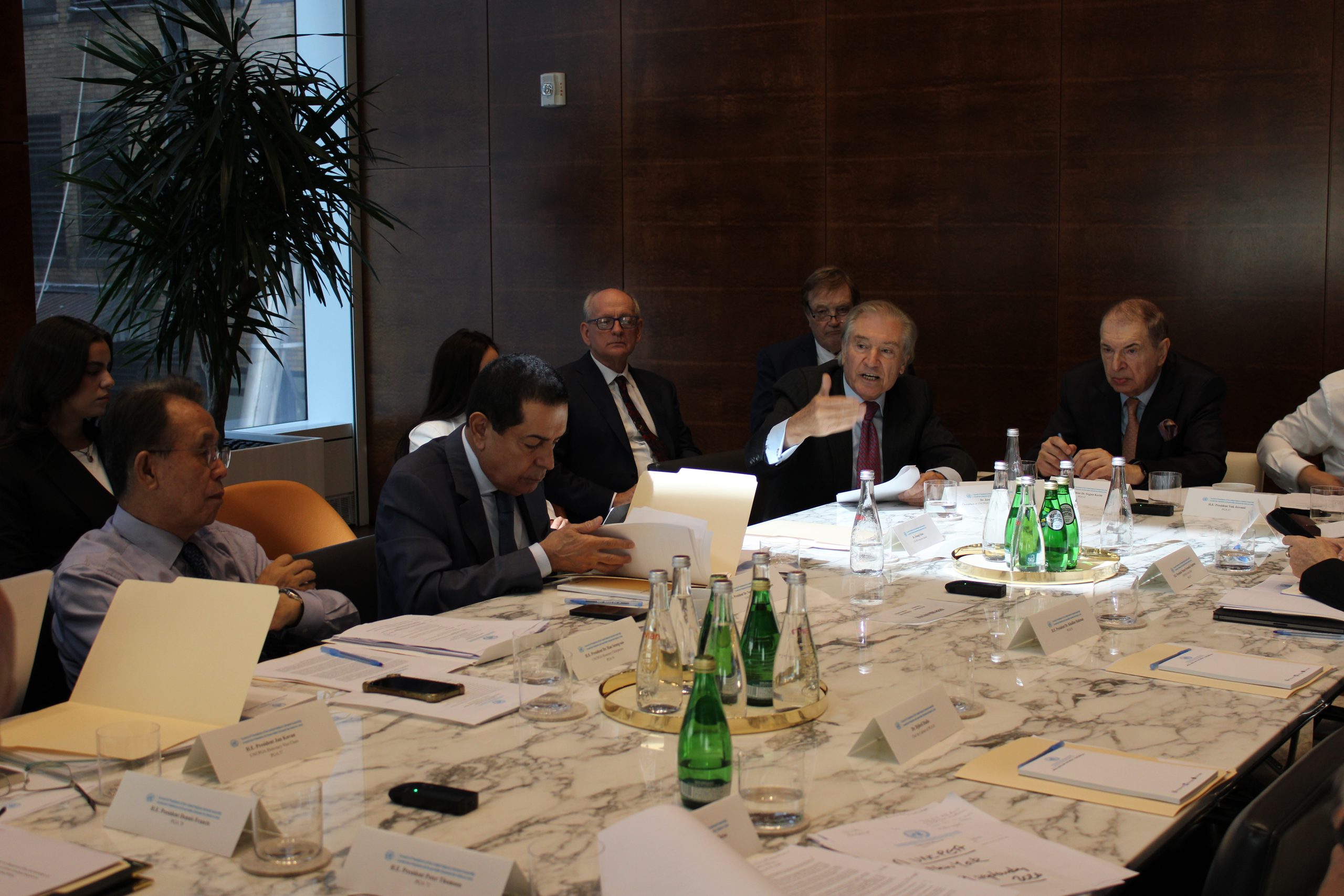
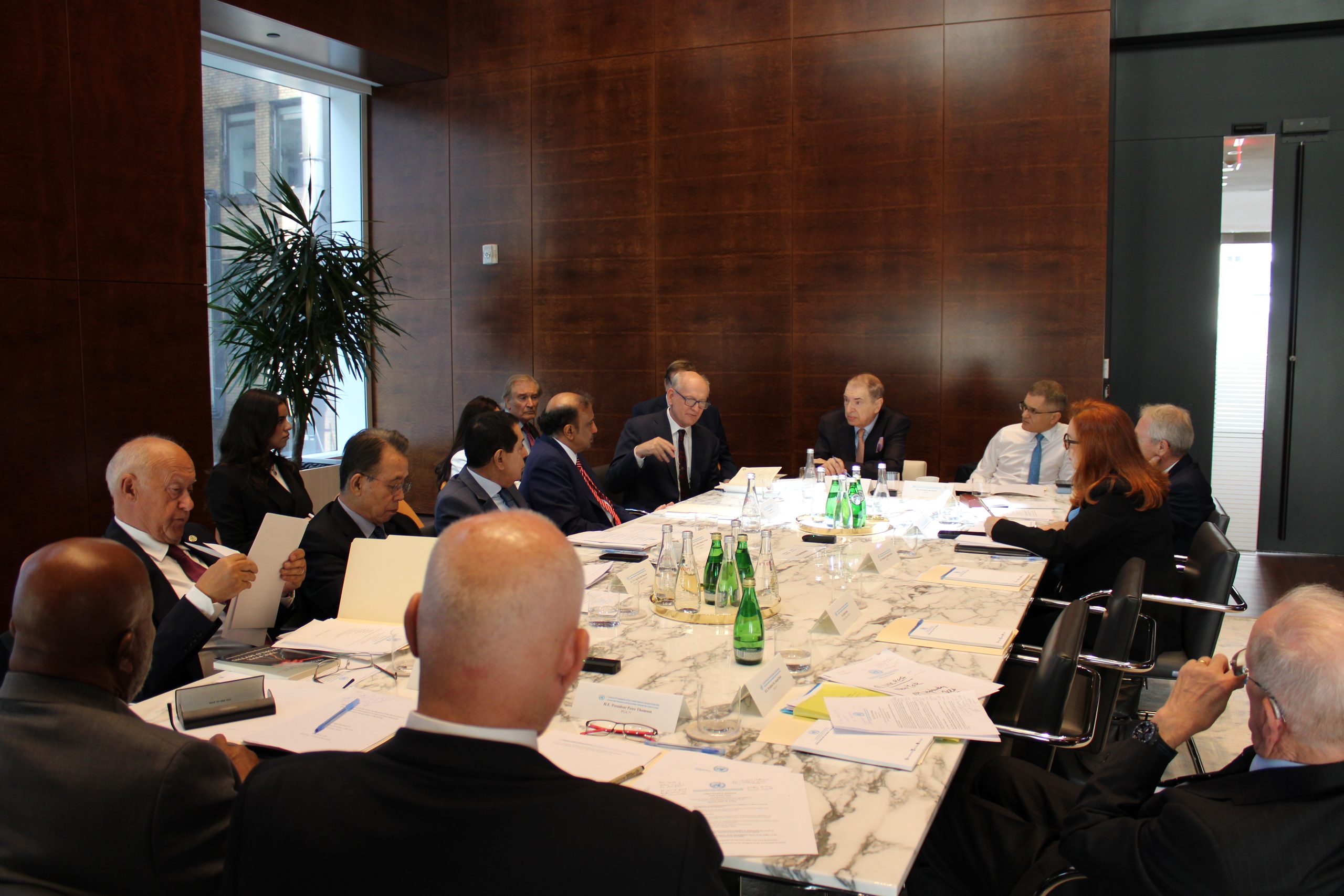
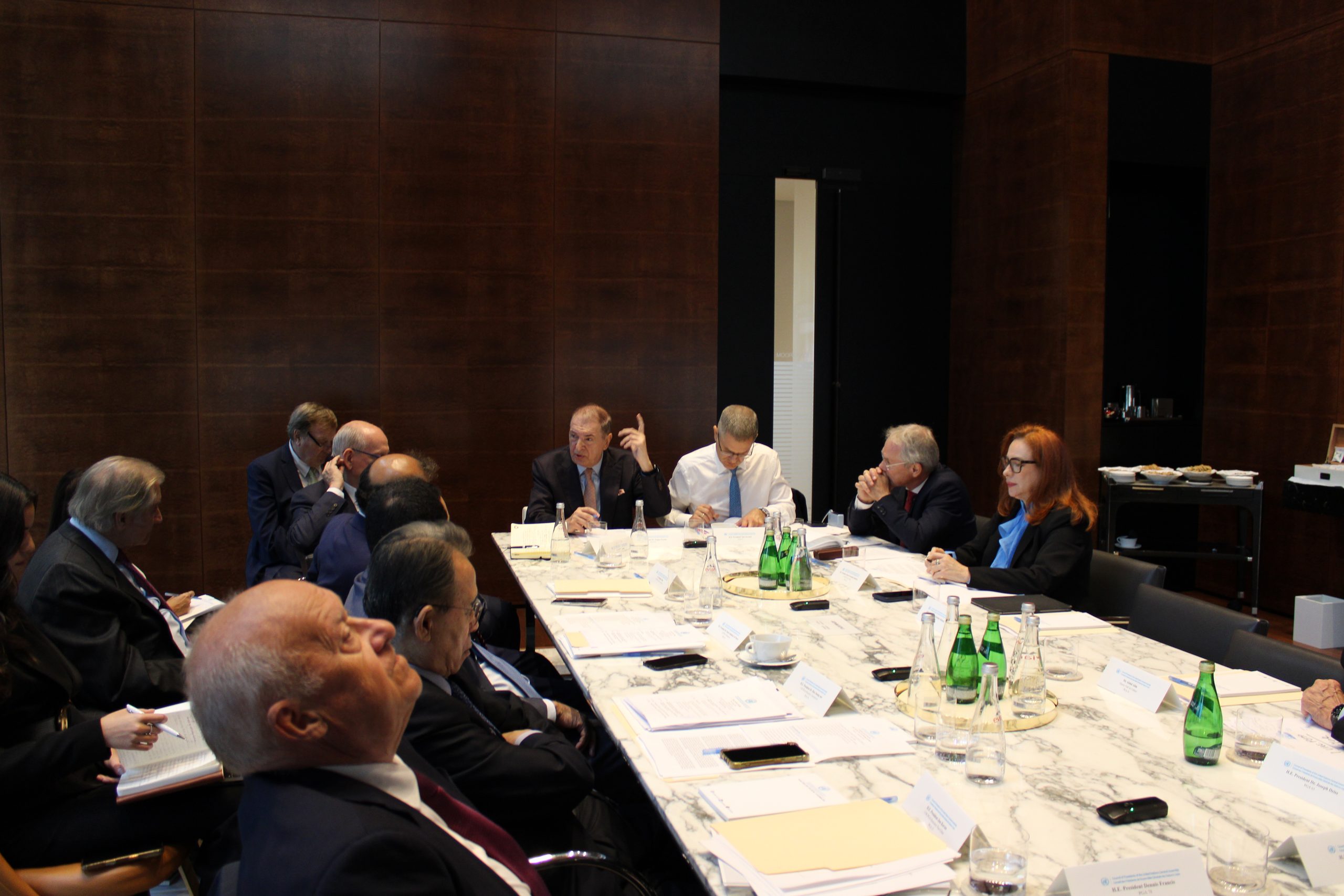
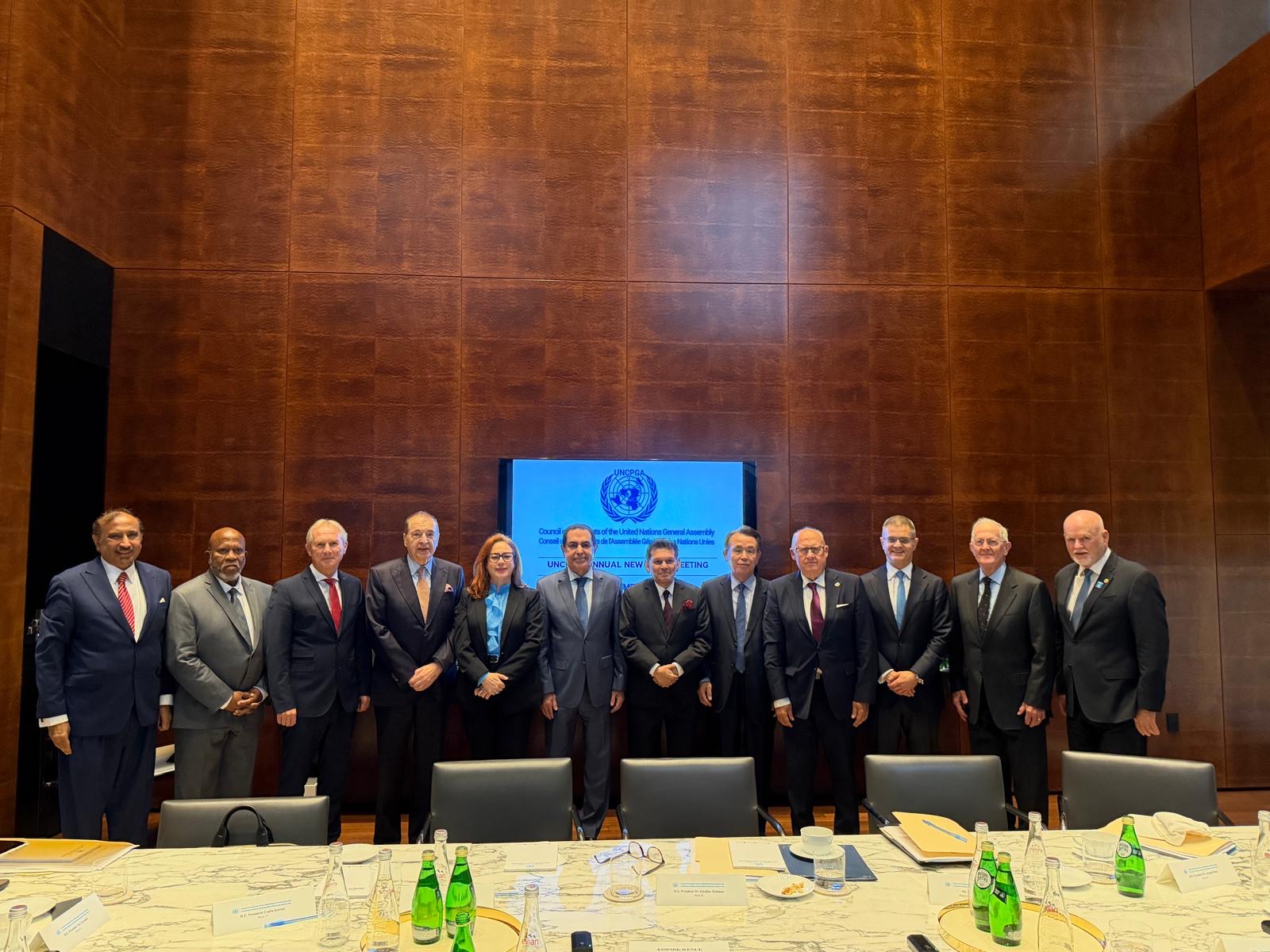
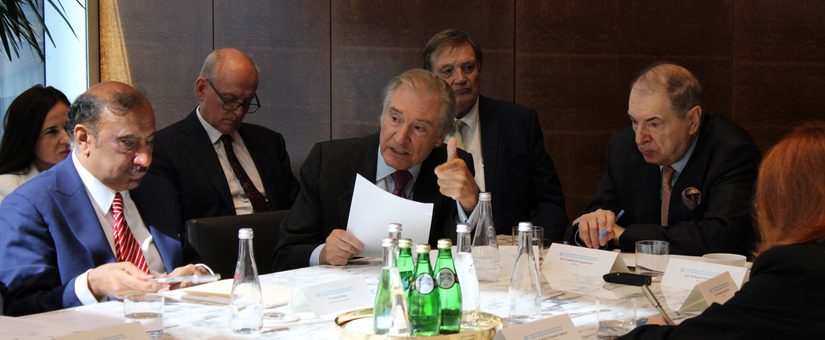
The week began with the Annual Meeting of the Council of Presidents of the UN General Assembly. AGI was the main issue discussed. Joining me this year was Stuart Russell and Mariana Todorova (she came last year as well). Pictures.
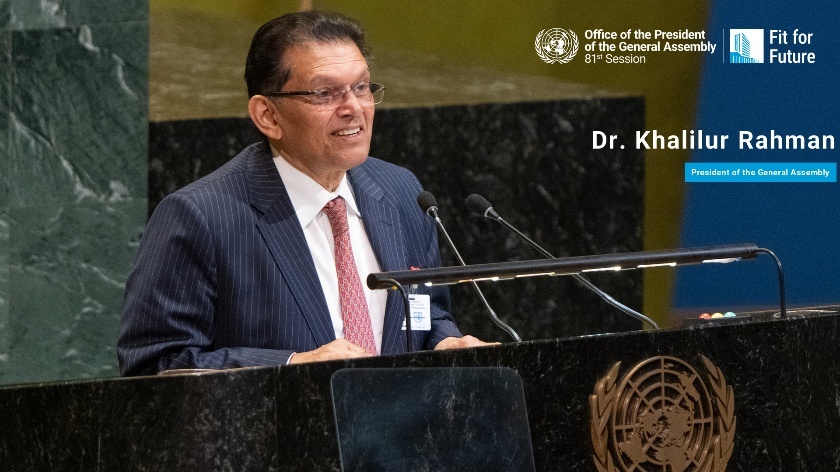
President Rahman of the UNGA attended this meeting a dinner. He committed to making current and near-future AGI a priority for the 81st UNGA and asked me to create and informal briefing on our AGI report to the UNGA.
For the first time (as far as I know) AGI was finally mentioned in an official meeting of the UNGA: PGA Rahman said in his opening address to the UNGA: “We cannot also rule out the possibility that AI, particularly artificial general intelligence, or AGI, could affect the very human survival.” Then the UN Security Council brought in Bengio, Altman, Amodei, and Delangue to address the security issues of AI followed by members of the UNSC statements. I recommend you see it at https://webtv.un.org/en/asset/k1c/k1cdceg9sg
I went to a series of other meetings that also addressed AI: UNESCO, Climate Change investors, Wall Street Journal, and ending with a two-day intensive meeting of the Nizami Ganjavi International Center (XXXVII High-Level Meeting side event of the UN General Assembly), where I addressed (Panel 6) how it might be possible to resolve the contradiction between the US and China positions on AI: Businesses accept “equal playing fields,” for better predictability, fairer competition, and encouraging broader innovations. The “equal playing field” would be safety requirements or standards for current and near-term AGI. If a new model proves it meets these, then it is released; if not, then they go back for further development. This also could address out-of-control AGI race.
Jerry