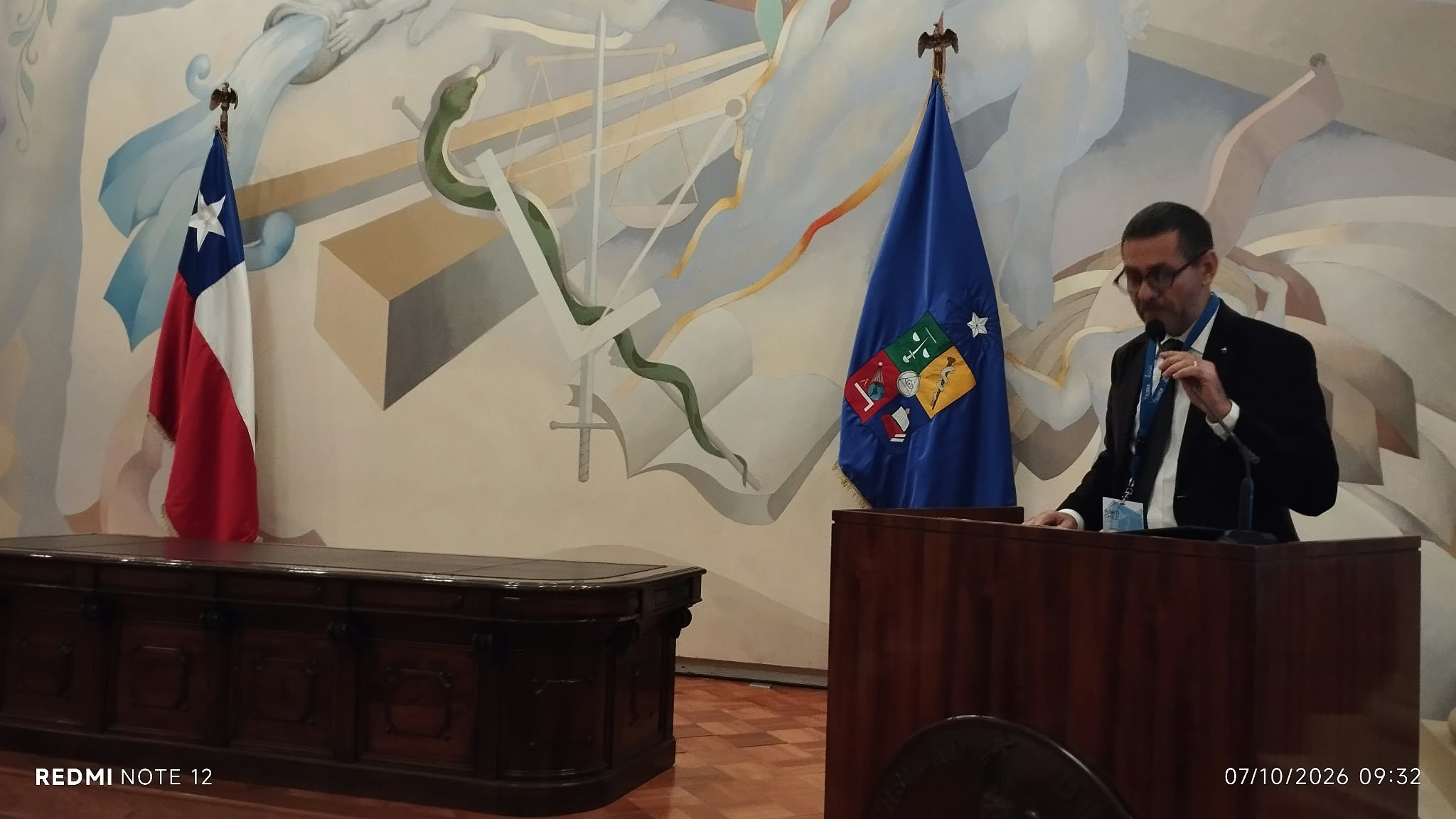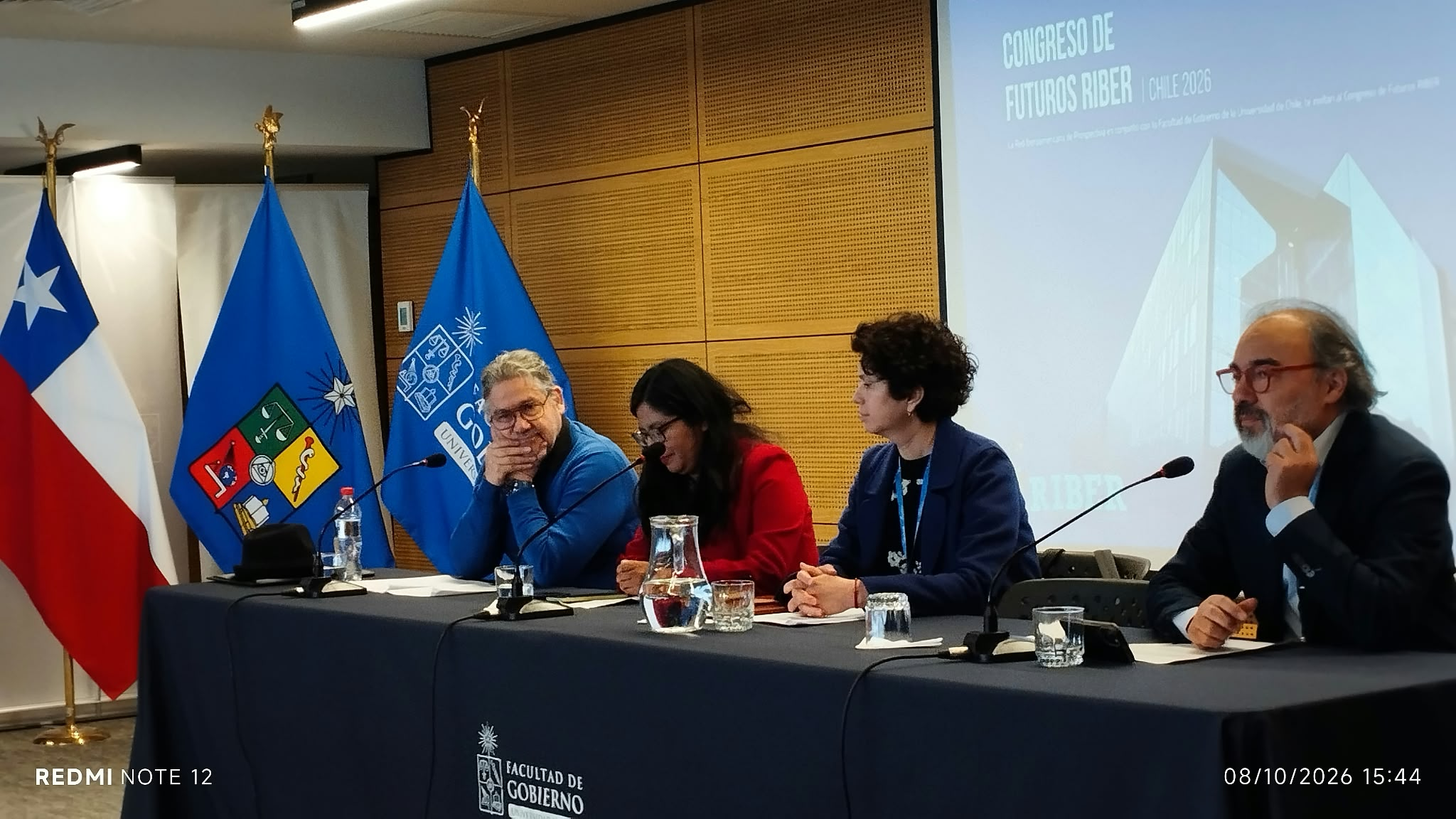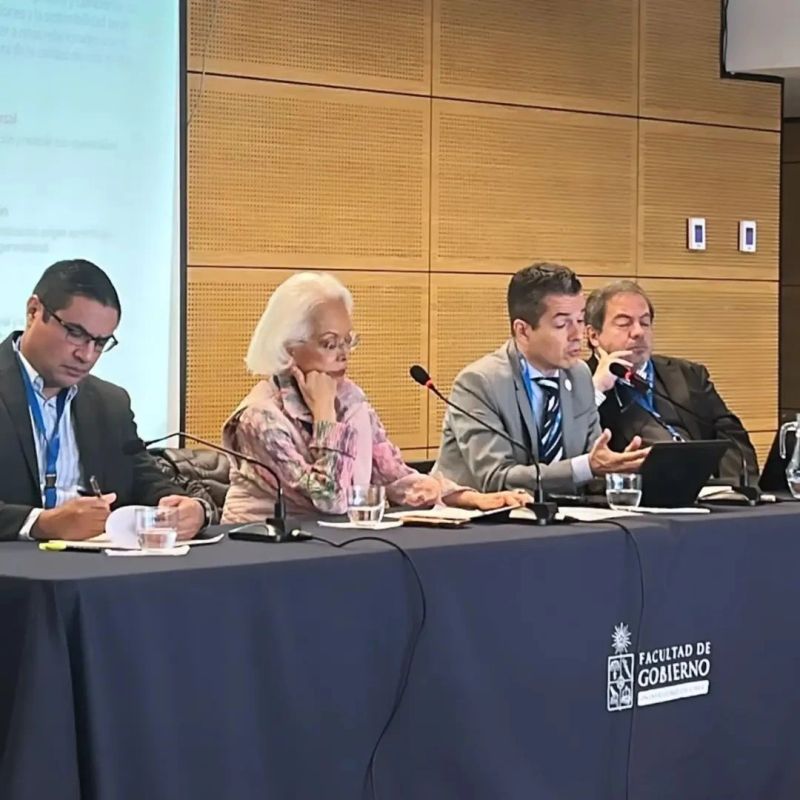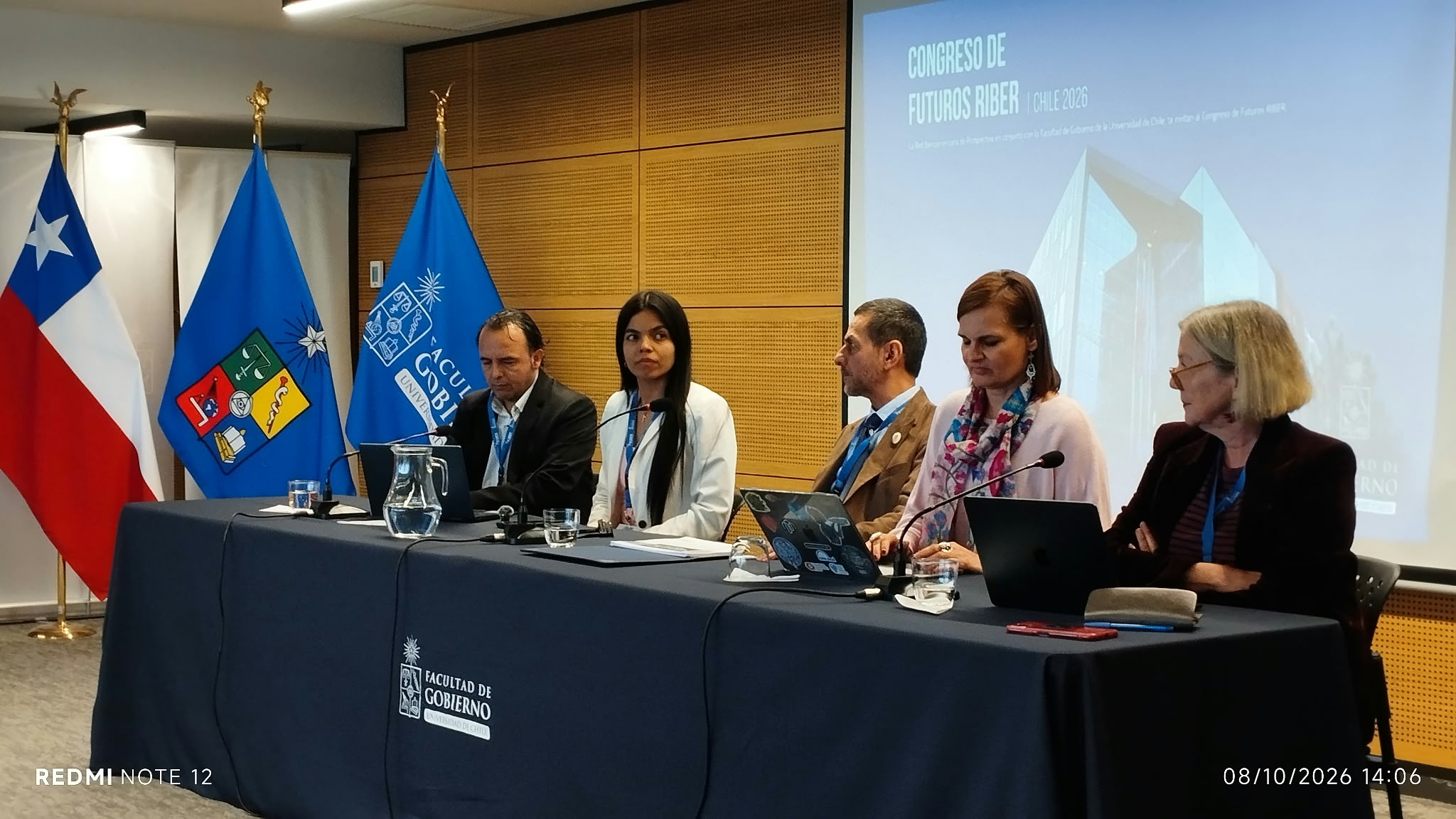
RIBER Chile 2026 Congress explores futures governance and honors regional foresight pioneers
- On 16 October 2026
- 0 Comments
- artificial intelligence, chile, Colombia Node, Futures congress, Latin America, Mexico Node, RIBER
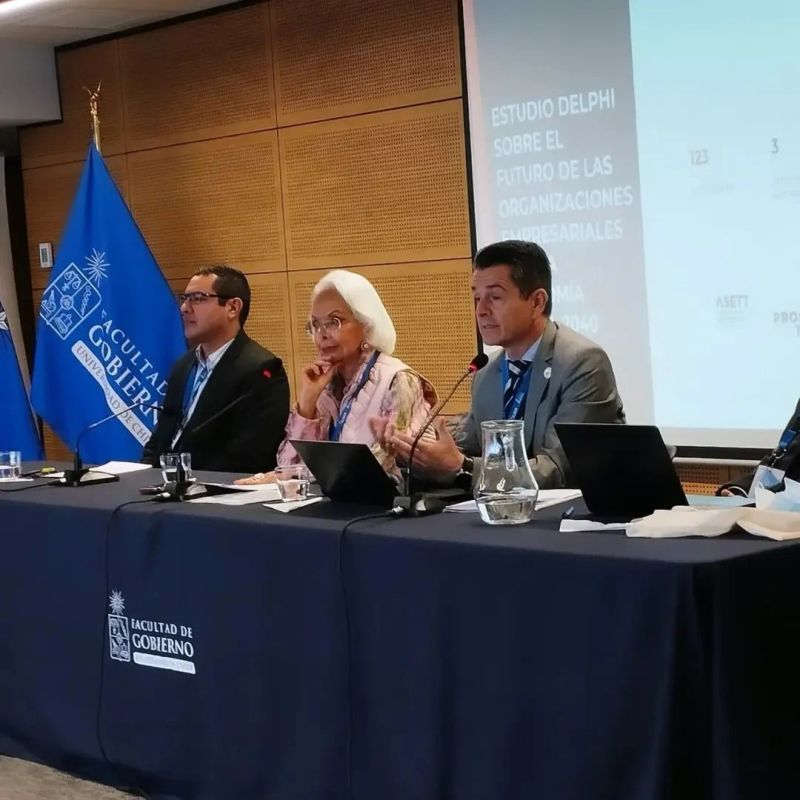
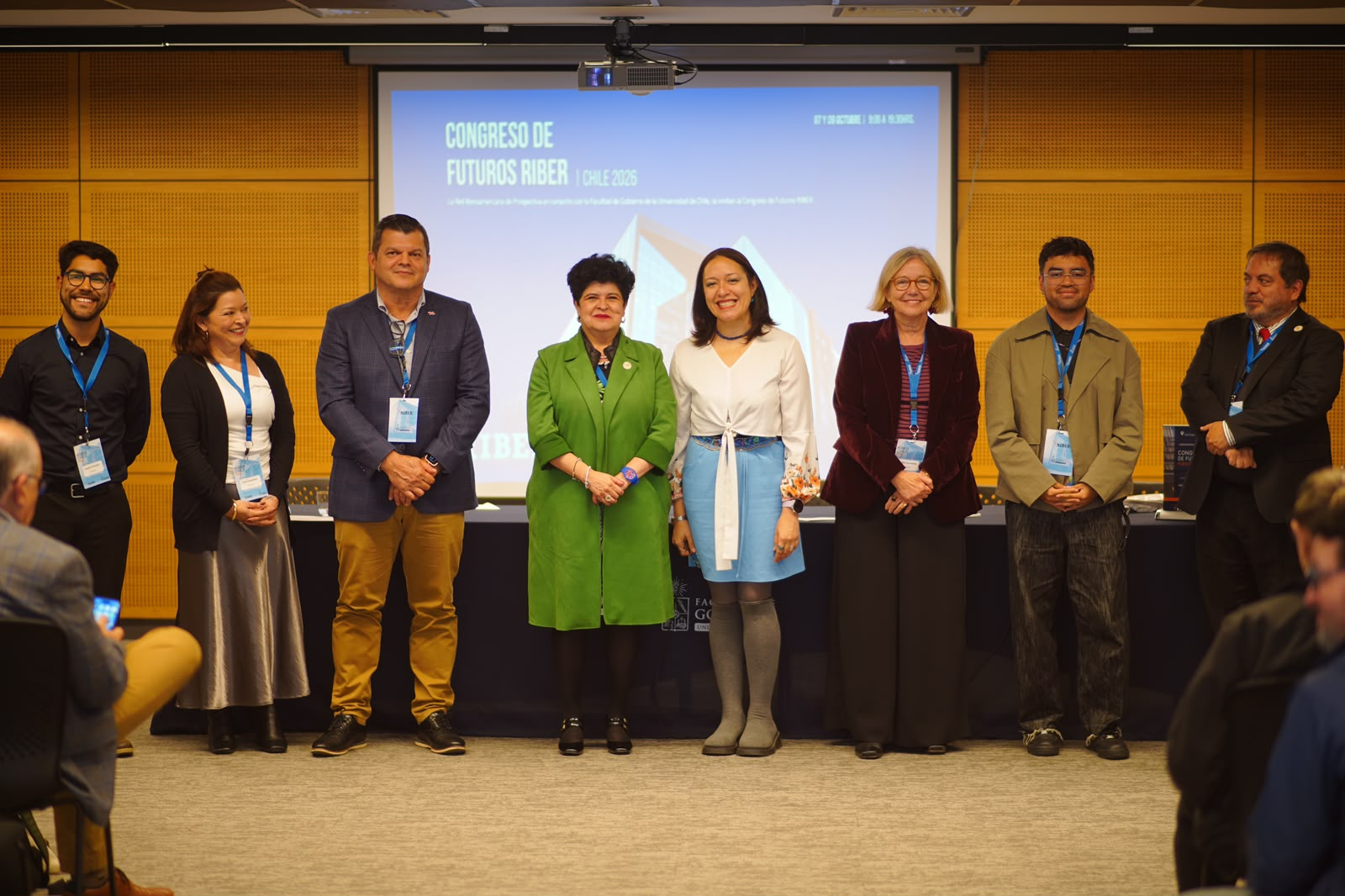
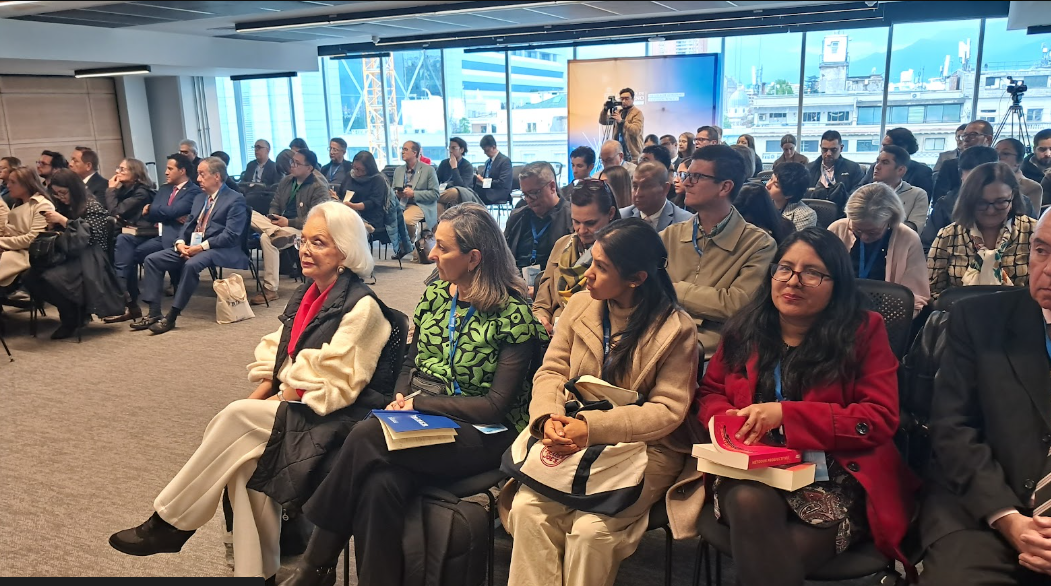
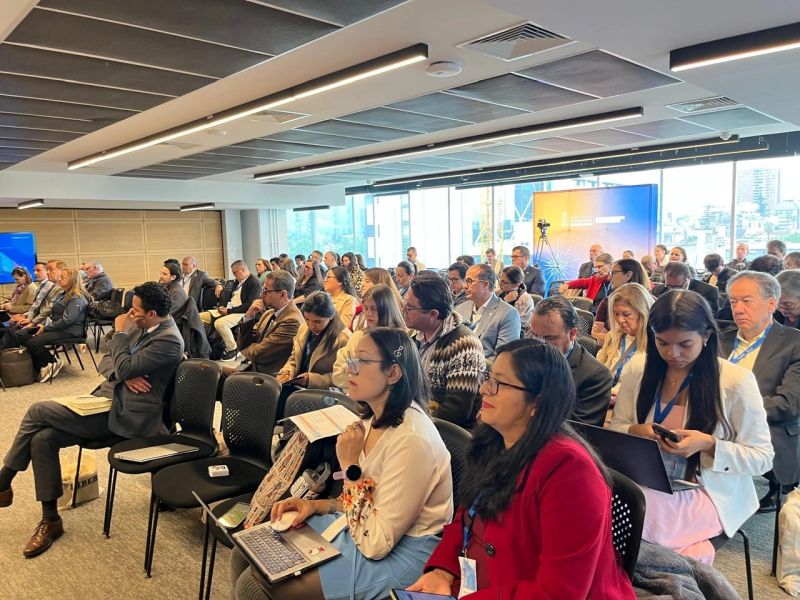
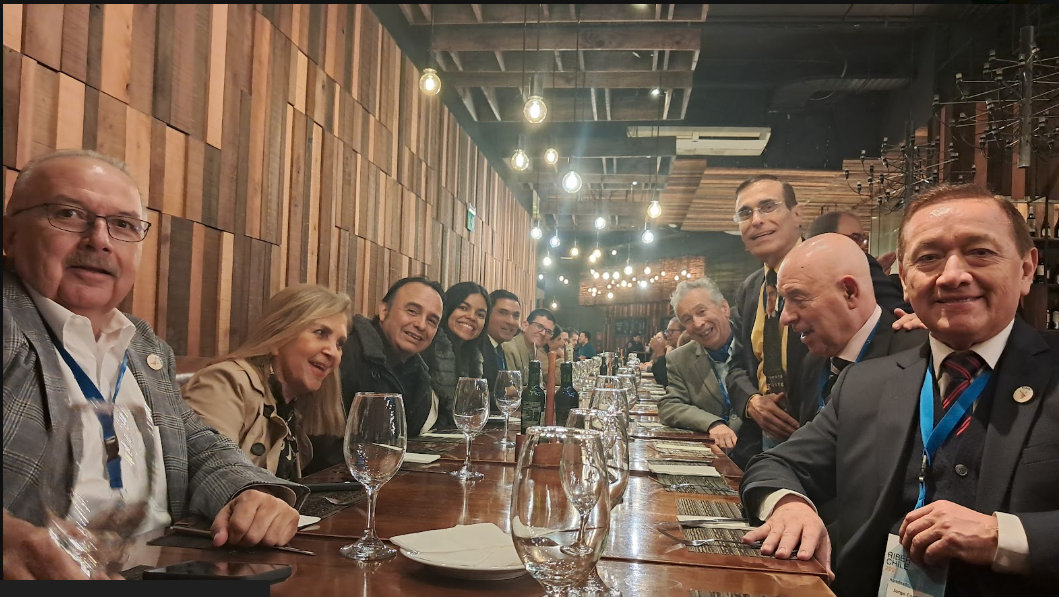
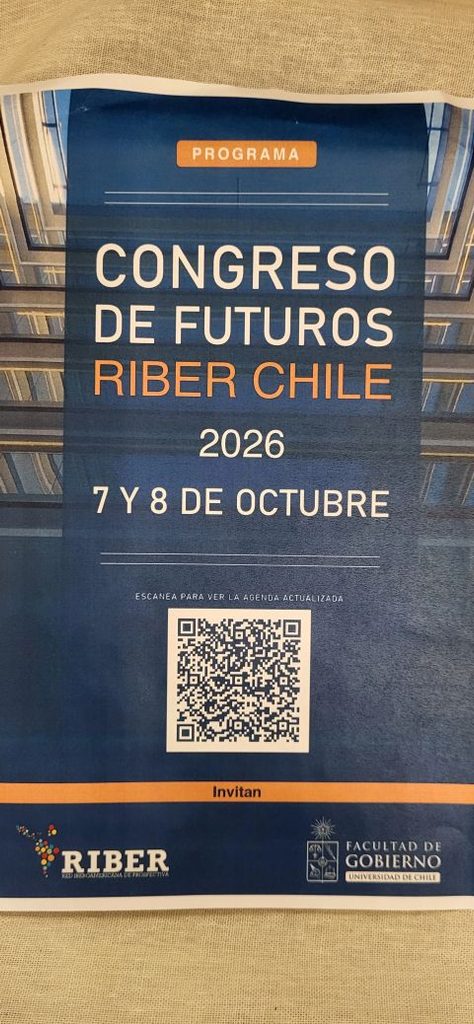
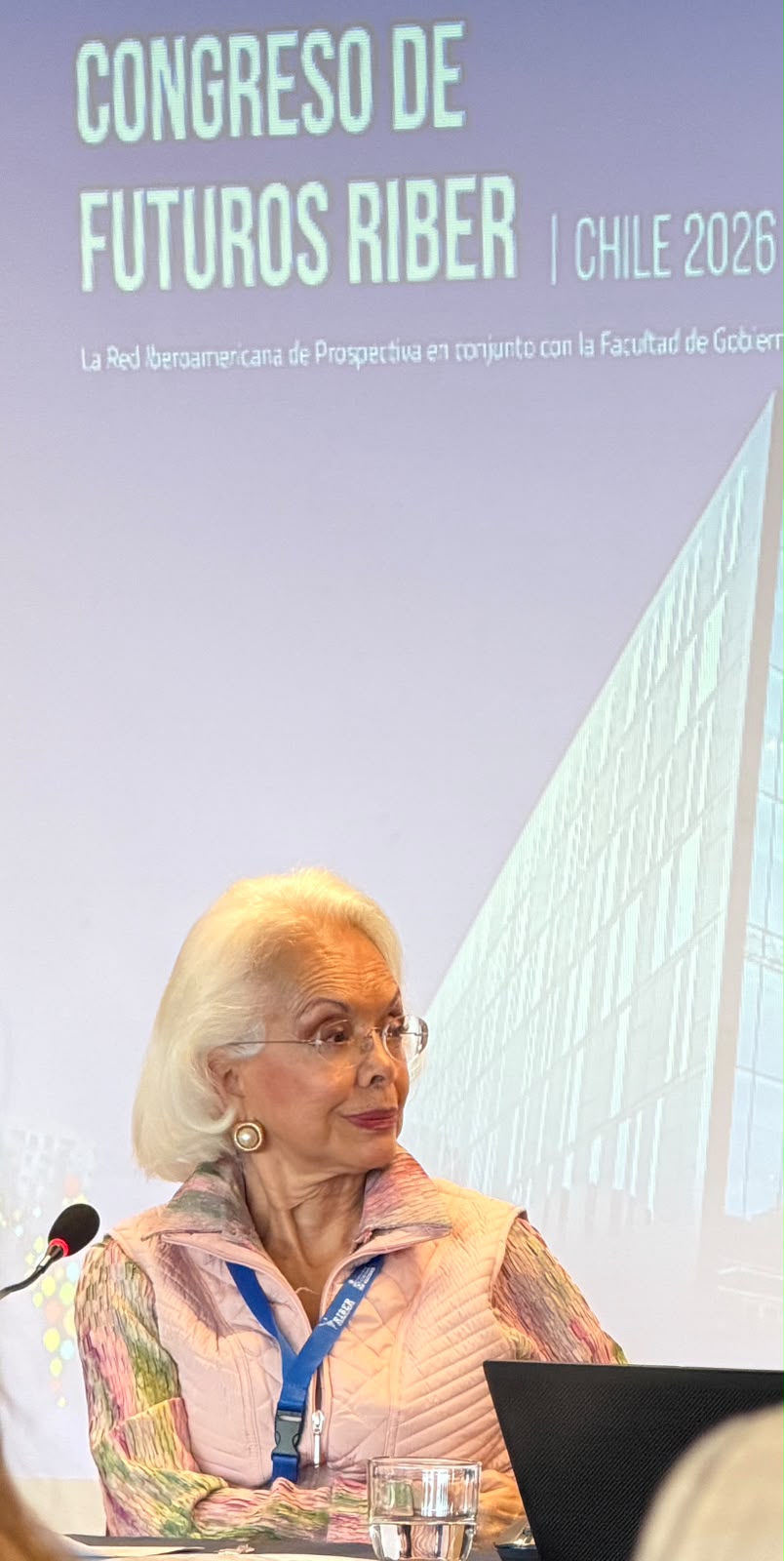
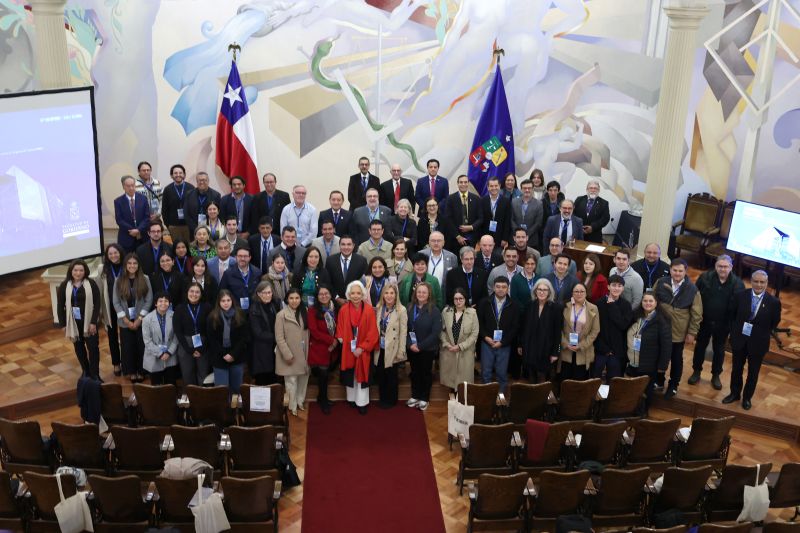
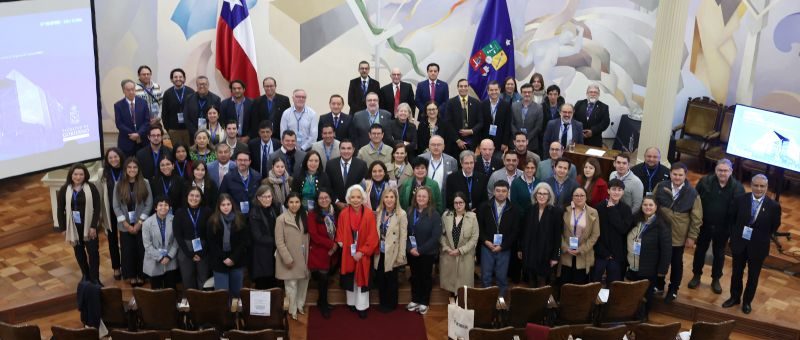
The Red Iberoamericana de Prospectiva (RIBER) successfully convened the RIBER Chile 2026 Futures Congress at the School of Government of the Universidad de Chile. Centered around the theme “Chile 2050 and the Governance of the Future: Foresight, Democracy, Public Policy, and Social Transformation in Latin America,” the event served as a crucial bridge connecting academia, public sector leaders, foresight practitioners, and international networks to improve present-day decision-making.
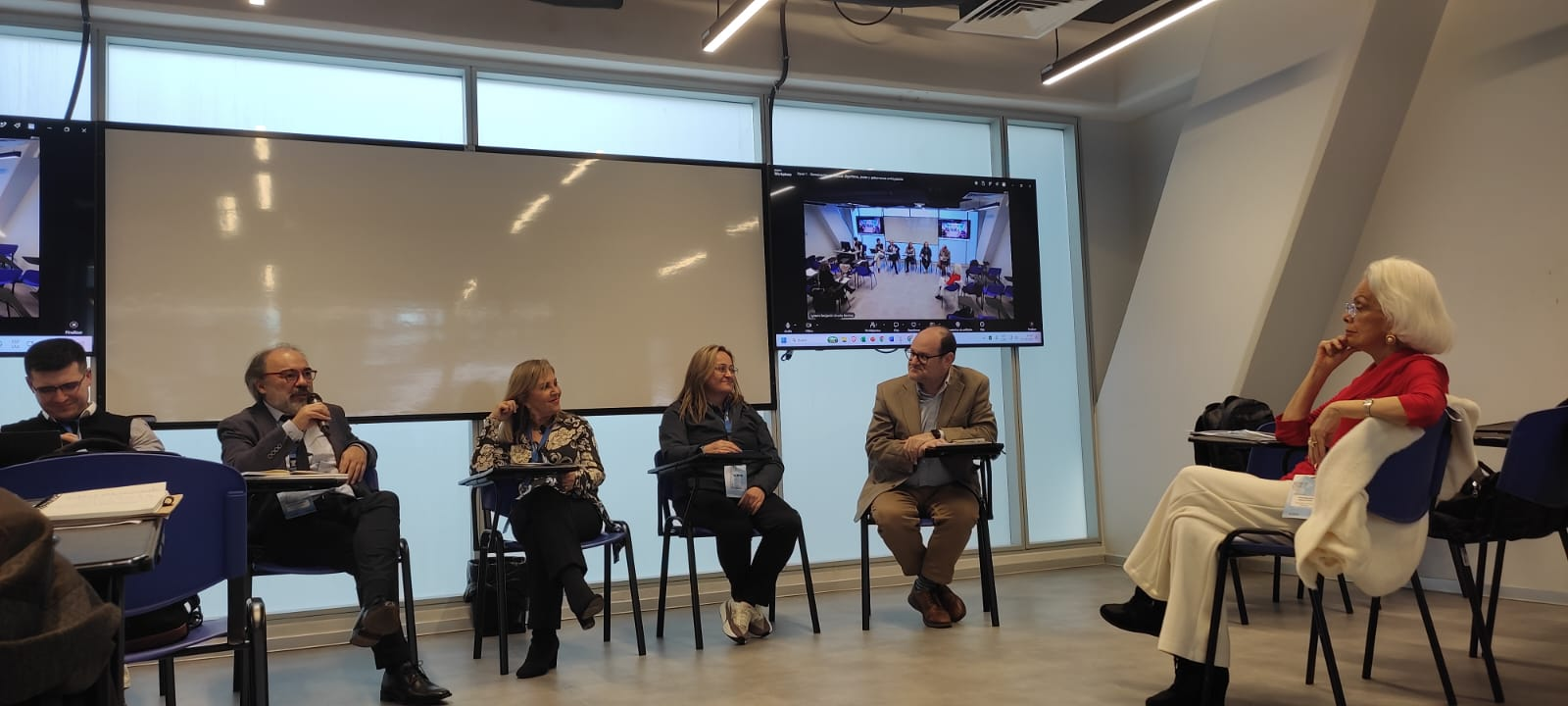
The congress tackled a comprehensive agenda designed to transform forward-looking insights into actionable public strategy. Discussions around anticipatory governance and democracy focused on strengthening state capacity to navigate high uncertainty through strategic leadership, public ethics, and long-term decision-making models. Regarding artificial intelligence and human transformation, participants moved beyond mere productivity debates to address AI as a fundamental cognitive and social revolution, highlighting its impact on work, identity, human relations, ethics, and the risks of new social exclusions.
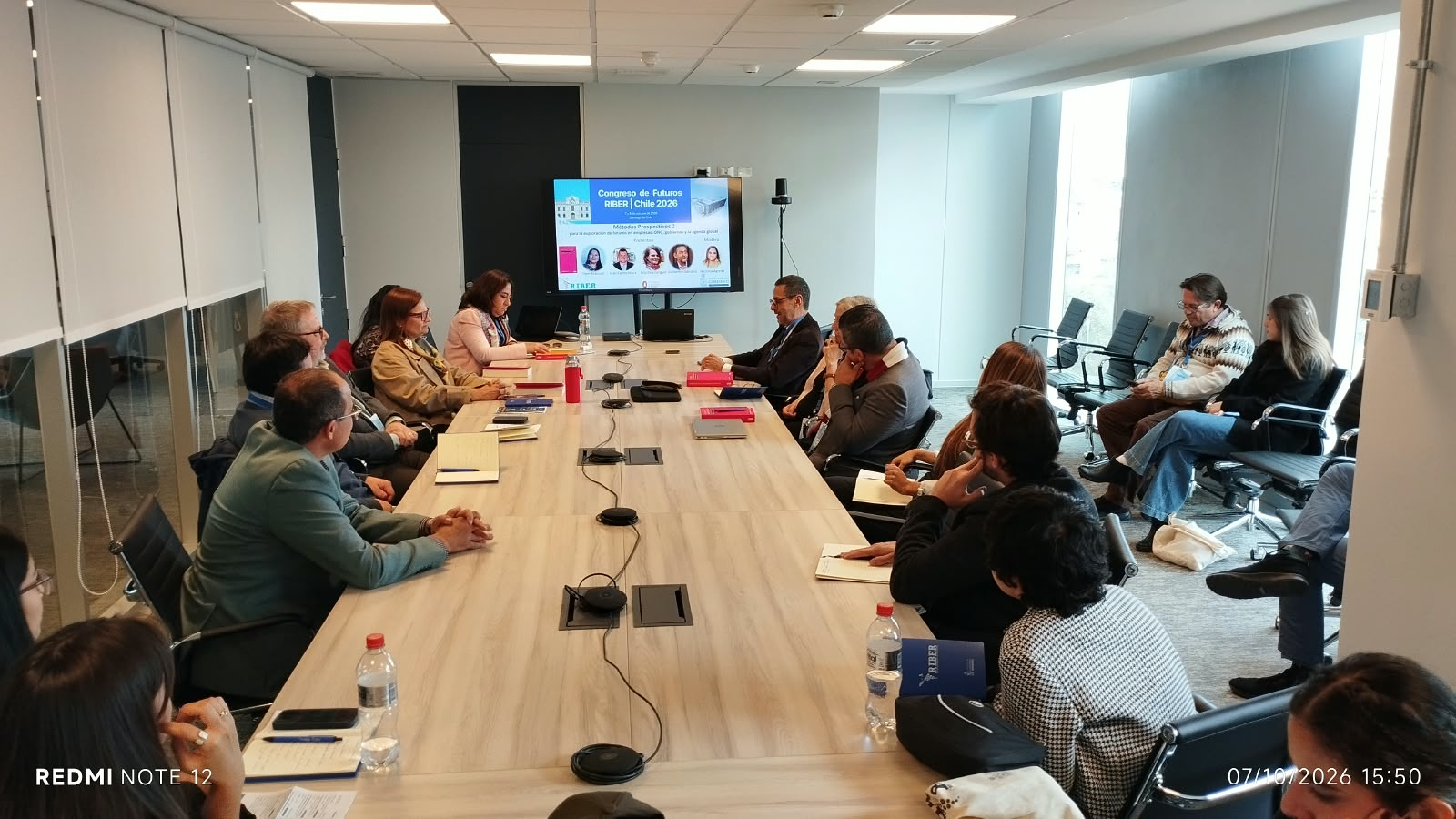
Environmental and territorial priorities were equally prominent, with sessions on sustainability and regional resilience integrating water security, biodiversity, clean energy, and climate migration directly into future scenarios for Latin America. In parallel, conversations on geopolitics and global risk examined systemic international shifts, security challenges, and organized crime as critical forces reshaping future governance. Finally, the program emphasized foresight methodologies and capacity building, showcasing scenario planning, competitive intelligence, and post-normal tools while advocating for widespread foresight literacy across higher education and broader society.
The discussions yielded several critical takeaways for the region’s trajectory toward 2050. First, strategic foresight must evolve beyond diagnostic exercises into concrete policy and institutional action. Second, governing for the future requires adaptive institutions capable of unifying technology, sustainability, and democracy into a single strategic lens. Third, AI integration must prioritize human, political, and distributional consequences alongside technological progress. Ultimately, the congress underscored that constructing the future is an inherently collaborative responsibility that requires robust cross-sector partnerships.
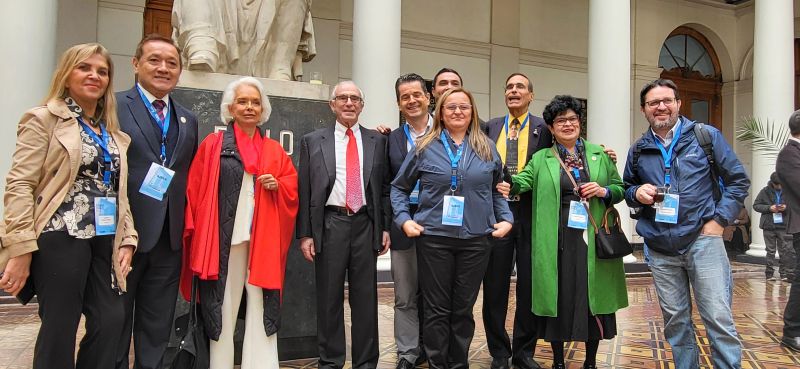
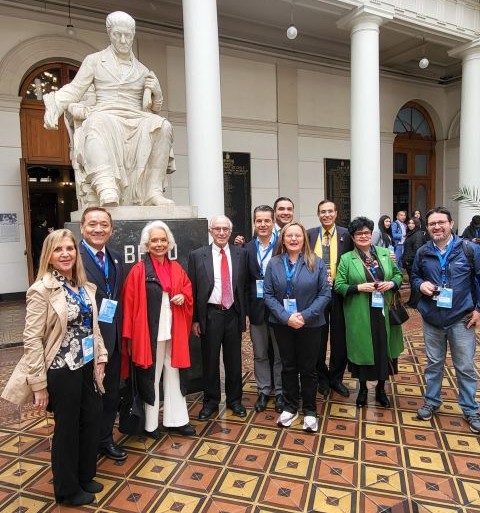
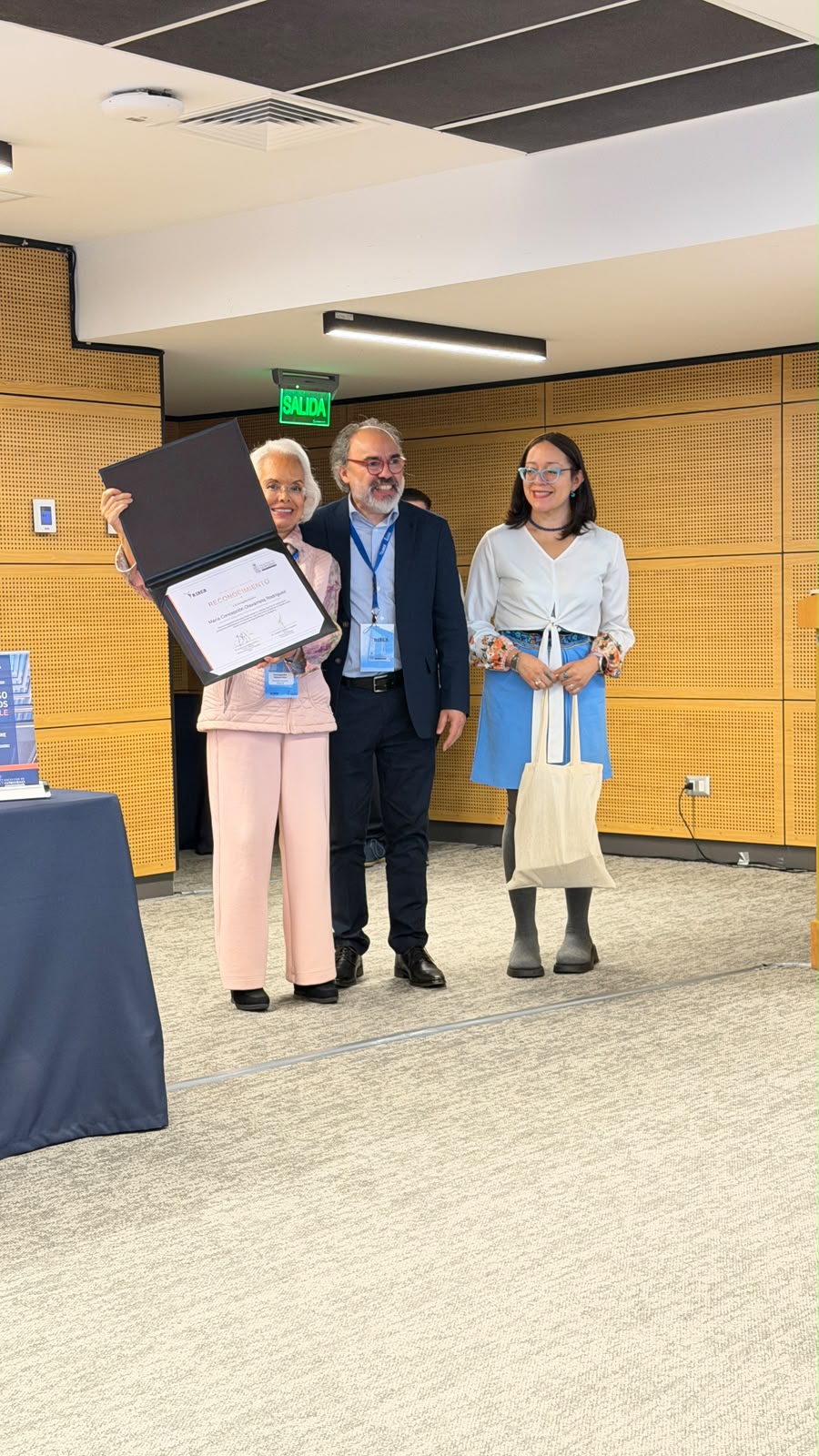
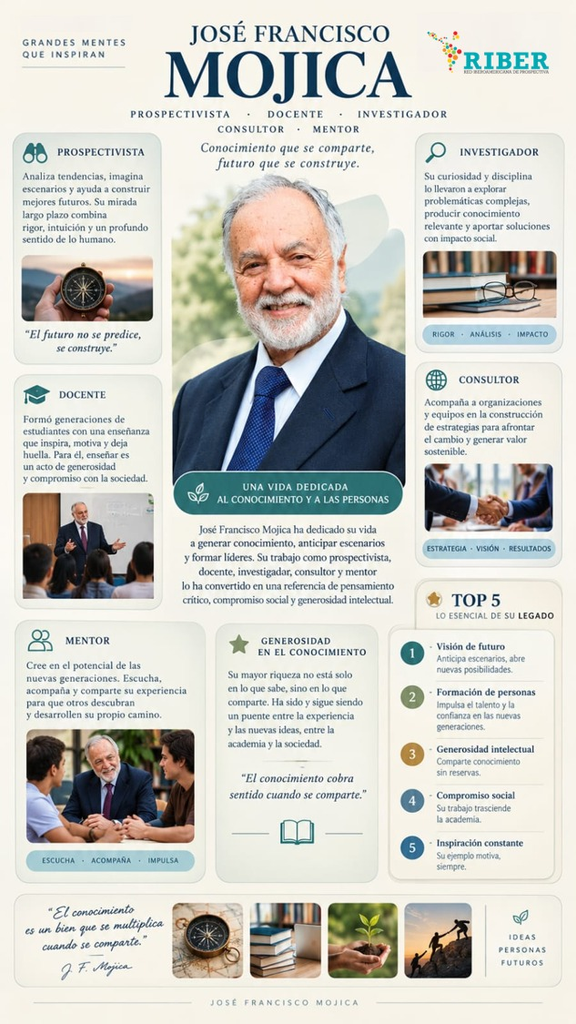
A major highlight of the conference was RIBER’s special recognition of two distinguished figures in Ibero-American foresight: María Concepción Olavarrieta Rodríguez, founder and Co-Chair of the México Node, and Francisco José Mojica Sastoque, Co-Chair of the Colombia Node of The Millennium Project. Concepción Olavarrieta was honored for her outstanding leadership in network articulation, team building, inclusive vision, and connecting diverse perspectives to foster collaborative long-term action. Francisco José Mojica was recognized for his extraordinary lifetime legacy as a foresight pioneer, researcher, professor, and mentor who taught generations across the region that the future is not predicted, but built.

For more information, visit the official congress website.