

The Millennium Project Planning Committee – November 17, 2025
- On 19 November 2025
- 0 Comments
- activity reports, Dubai, planning committee
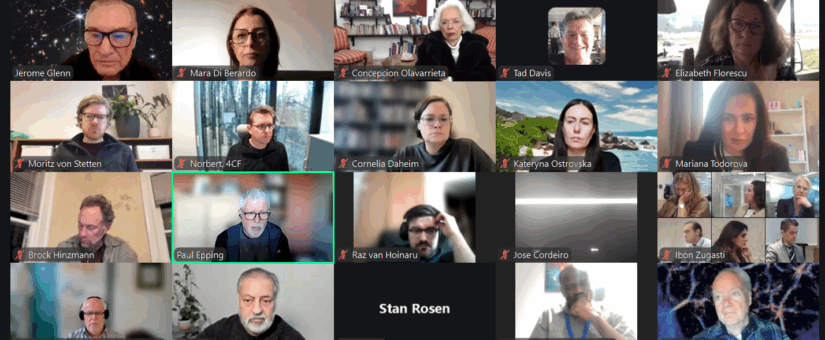
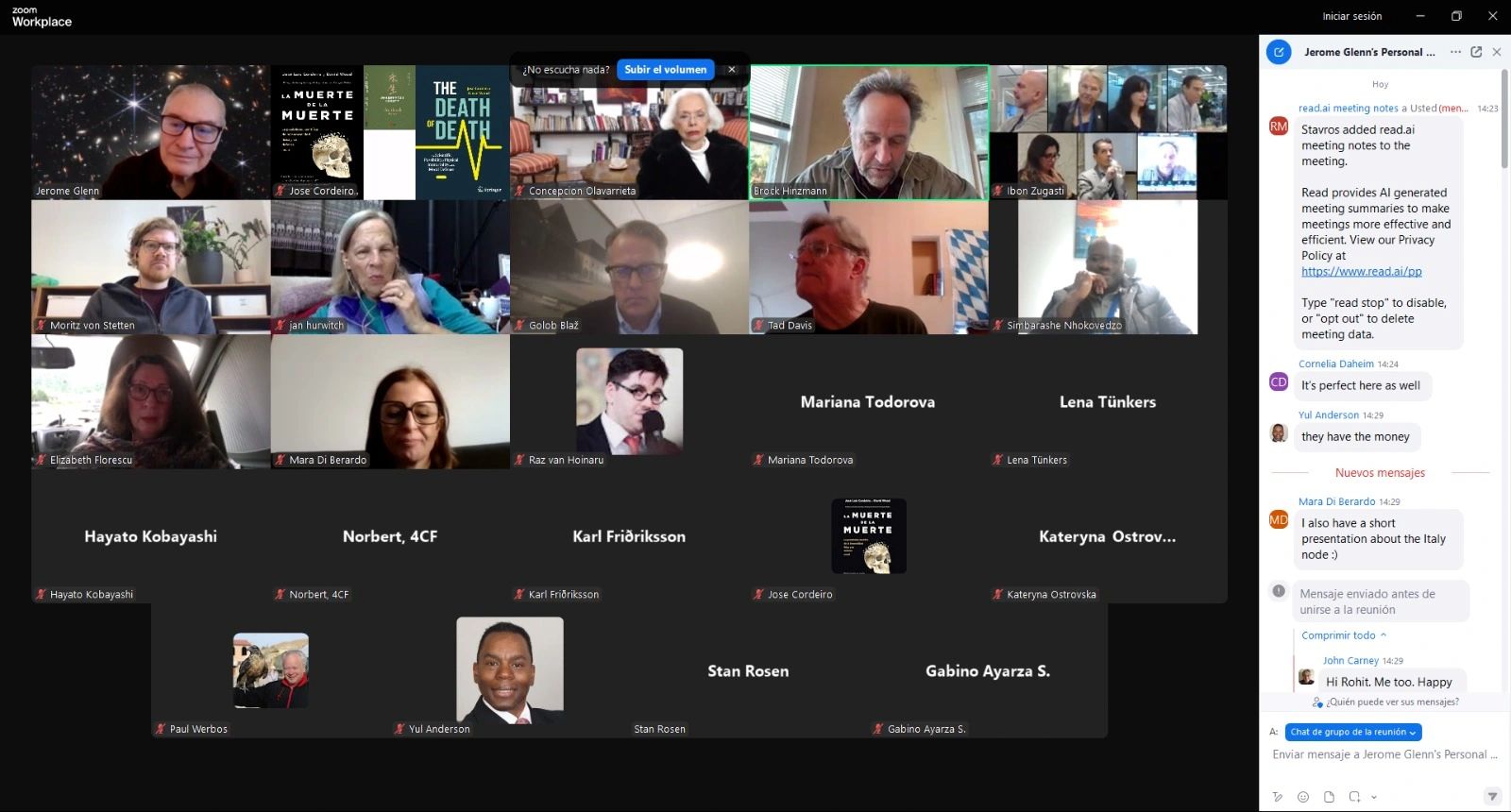
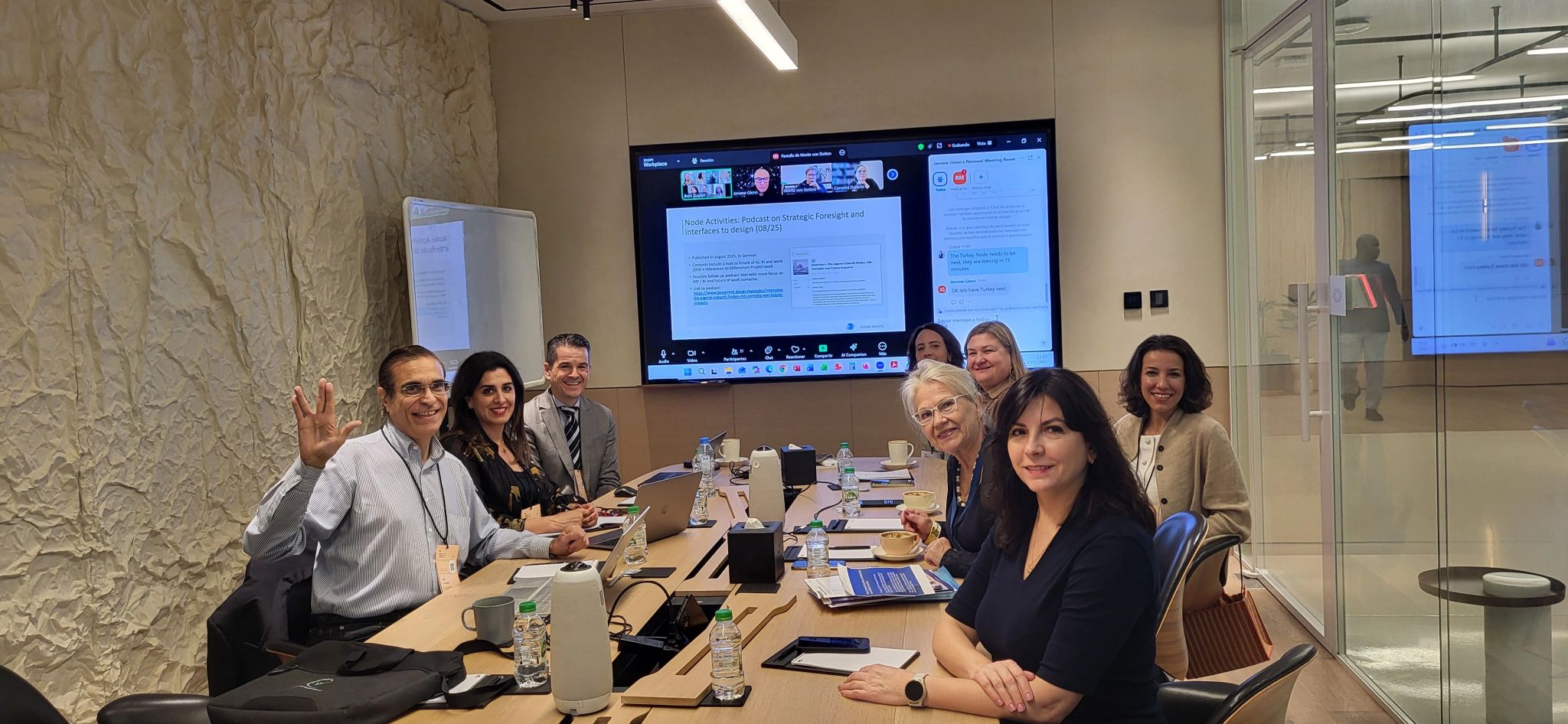
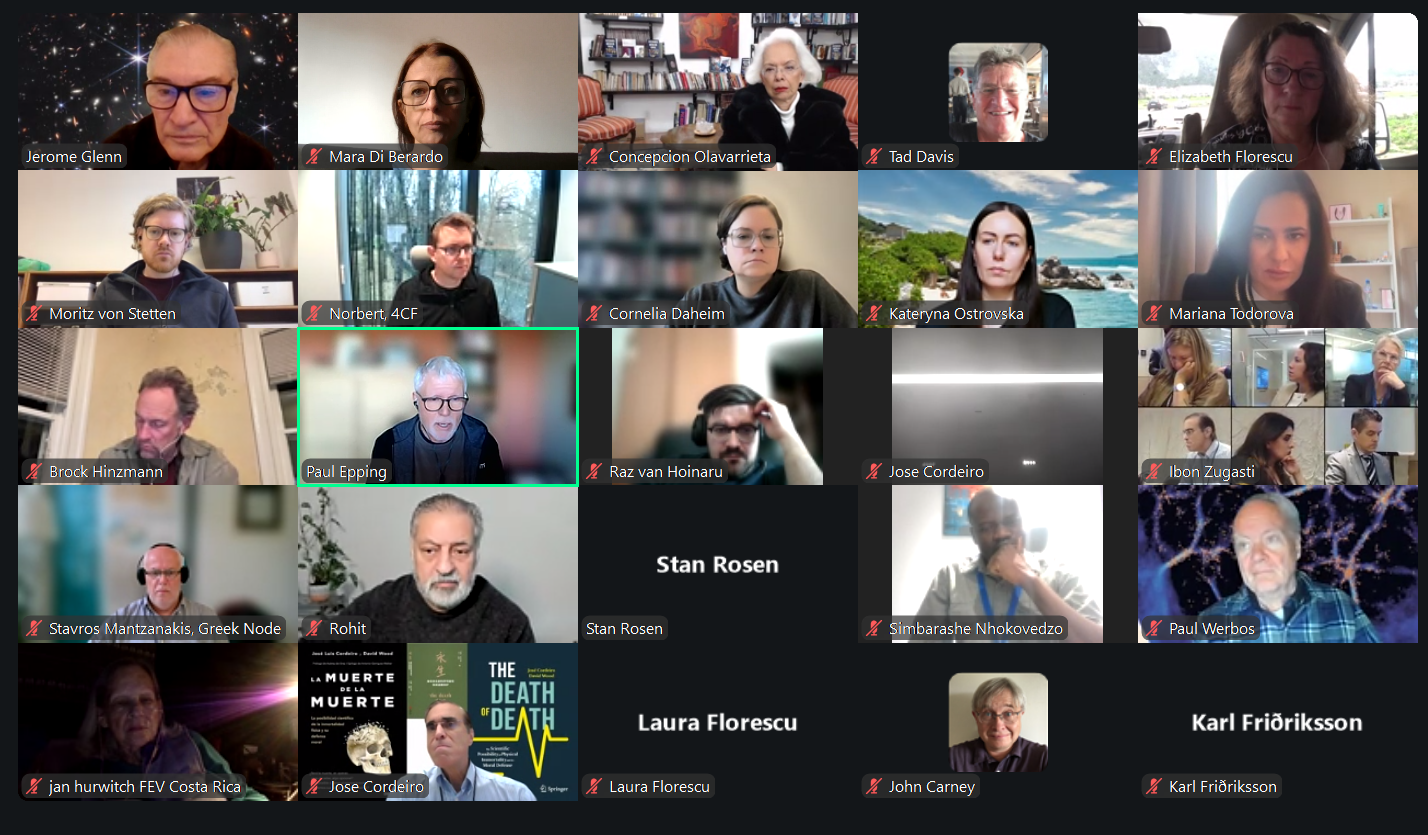
The Millennium Project held its annual Planning Committee Meeting on 17 November 2025 in a hybrid format, with participants joining both online and in person from Dubai. This format once again demonstrated the global reach and collaborative spirit of the network, enabling a rich exchange among Node Chairs, Co-Chairs, researchers, and partners across continents.
Accomplishments
The meeting opened with introductory remarks by Jerome C. Glenn on the year’s accomplishments, highlighting progress in global foresight research, AGI governance initiatives, publications, and network expansion. Among the major achievements was the print and Kindle publication of State of the Future 20.0, released as a 550-page Print on Demand edition on Amazon and in Kindle format. The Executive Summary is now available in seventeen languages, while full translations in Arabic, Italian, Spanish, and Turkish. The Phase 3 of the AGI study are five alternative AGI 2050 Scenarios, which will be available to MP and also published in the paperback edition of the Global Governance of the Transition to Artificial General Intelligence early next year. Over the past year, Node Chairs and Co-Chairs have also contributed at least one hundred articles, interviews, podcasts, and public talks. Mariana alone has appeared in 50 TV, radio, and podcasts in Bulgaria.
Important advances were made in AGI governance study, with sustained engagement with the Council of Presidents of the United Nations General Assembly. This included AGI briefings during UN side events and a high-level dinner with the President of the UNGA. The report Governance of the Transition to Artificial General Intelligence: Urgent Considerations for the UN General Assembly continued its global dissemination and is now available in nine languages, with a dedicated briefing for UN Member States expected soon, leading hopefully to a UN General Assembly specifically on AGI. Collaboration with the Inter-Parliamentary Union progressed. The year also marked the launch of an AGI online course for Latin America, beginning in January in Costa Rica and coordinated by Jan Hurwitch, who reported on the ongoing activity.
Additional achievements included the successful organization of the 11th World Futures Day, the update videos of the 15 Global Challenges on The Millennium Project’s YouTube channel, the development of the Economic Crimes and Geopolitics Index by the South Asia Foresight Network lead by Asanga, and Paul Saffo and Jerome Glenn continue to update from FRM 3.0 to FRM 4.0 with special attention to integration of AI in the methods (funding is being sought for this work). Twenty-five interns contributed to The Millennium Project’s activities during the year, joining from China, Ukraine (from Romania), Poland, the UK (from China), the USA, Mexico, Germany, Iran, Canada, and Italy.
Communication and World Futures Day
Mara Di Berardo, Communication Director of The Millennium Project, presented the Communication & World Futures Day 2025 update. She outlined the challenges and opportunities in MP’s communication strategy, noting that the traditional newsletter—though still an important channel—is experiencing a gradual decline in subscribers. This trend, she emphasized, highlights the need for a complete redesign of its graphic identity to better respond to evolving audience expectations. In contrast, the LinkedIn newsletter launched in late 2024 has been performing particularly well, confirming a shift in reading habits and emerging as the most effective medium for outreach. Social media activity has also continued to grow steadily across platforms such as LinkedIn, Facebook, YouTube, and X—though the continued use of X may need to be reconsidered. Di Berardo also noted that other platforms, including Instagram and Bluesky, currently host non-presided accounts that should be evaluated for strategic development. She then introduced the new research project on World Futures Day as a cross-cultural participatory foresight method, which will enable the analysis of WFD data from 2024–2025. She also stressed the importance of early planning for the organization of WFD 2026 to ensure continuity and improvement of the global event. Her presentation concluded by underscoring the need to allocate adequate resources to communication in order to strengthen their impact and sustain long-term visibility.
Activity reports
A central focus of the meeting was the sharing of Activity Reports 2025, presented by a wide range of Node Chairs. These concise updates provided insights into national and regional initiatives, publications, partnerships, and future plans. Activity Reports were presented by China (report read by Ibon Zugasti), Bulgaria (Mariana Todorova), FEN (Lena Tunkers), Helsinki (Sirkka Heinonen), Germany (Cornelia Daheim and Moritz von Stetten, newly appointed co-chair), Greece (Stavros Mantzanakis), Iceland (Karl Friðriksson), Italy (Mara Di Berardo), Lithuania (Erika Vaiginienė), Mexico (Yadira Ornelas and Concepción Olavarreita), The Netherlands (Paul Epping), Poland (Norbert Kolos), RIBER (José Cordeiro presenting the report by Guillermo Gándara, Karelys Abarca, Verónica Ágreda, Marco Moreno, and Marcelo Ramírez), Romania (Razvan Hoinaru, new Chair of the Romania Node + a report sent by previous chair Adrian Pop), Silicon Valley (Brock Hinzmann), Slovenia and Southern Europe + Ljubljana Forum (Blaž Golob), Spain (Ibon Zugasti), Türkiye (Zeynep Yalim Uzun), United Kingdom (Rohit Talwar), Venezuela (José Cordeiro), and Zimbabwe (Simbarashe Nhokovedzo). Some nodes contributed their Activity Reports without a live presentation. These included Israel (Aharon Hauptman, Yair Sharan, and Roey Tzezana) and Serbia (Tihomir Divjak), all of whom submitted written reports detailing their 2025 activities and priorities. The diversity and richness of these contributions highlighted the strength of the node network and its capacity to address regional differences while maintaining a shared global vision.
New initiatives
During the following discussion, a new initiative was formally introduced during the meeting by Tad Davis: the creation of a new global collaboration workspace on Discourse (Discourse/Pol.is) which will serve as a permanent, organized environment where nodes can continue exchanging ideas, asking questions, sharing work, and shaping joint initiatives throughout the year.
The updating of the The Millennium Project Nodes Initiatives document, originally launched by Concepción Olavarreita in 2024, was also discussed, together with the ongoing update of Futures Research Methodology, coordinated by Paul Saffo with contributions from many node chairs.
Among other discussions, Cordeiro proposed to have the 2026 planning committee meeting in Chile in October 7-9, 2026 together with the next RIBER meeting, while Blaz Golob considered hosting the next PC meeting in Ljubljana on October 2-3, 2026 together with the next Forum on the Cities.
The meeting ended before a discussion of the future of social organization, however some early on like discussion wanted to make sure that it did not replace the AGI governance work that must continue.
Conclusions
AGI governance work will continue and further exploration of alternative future social organization will continue on line.
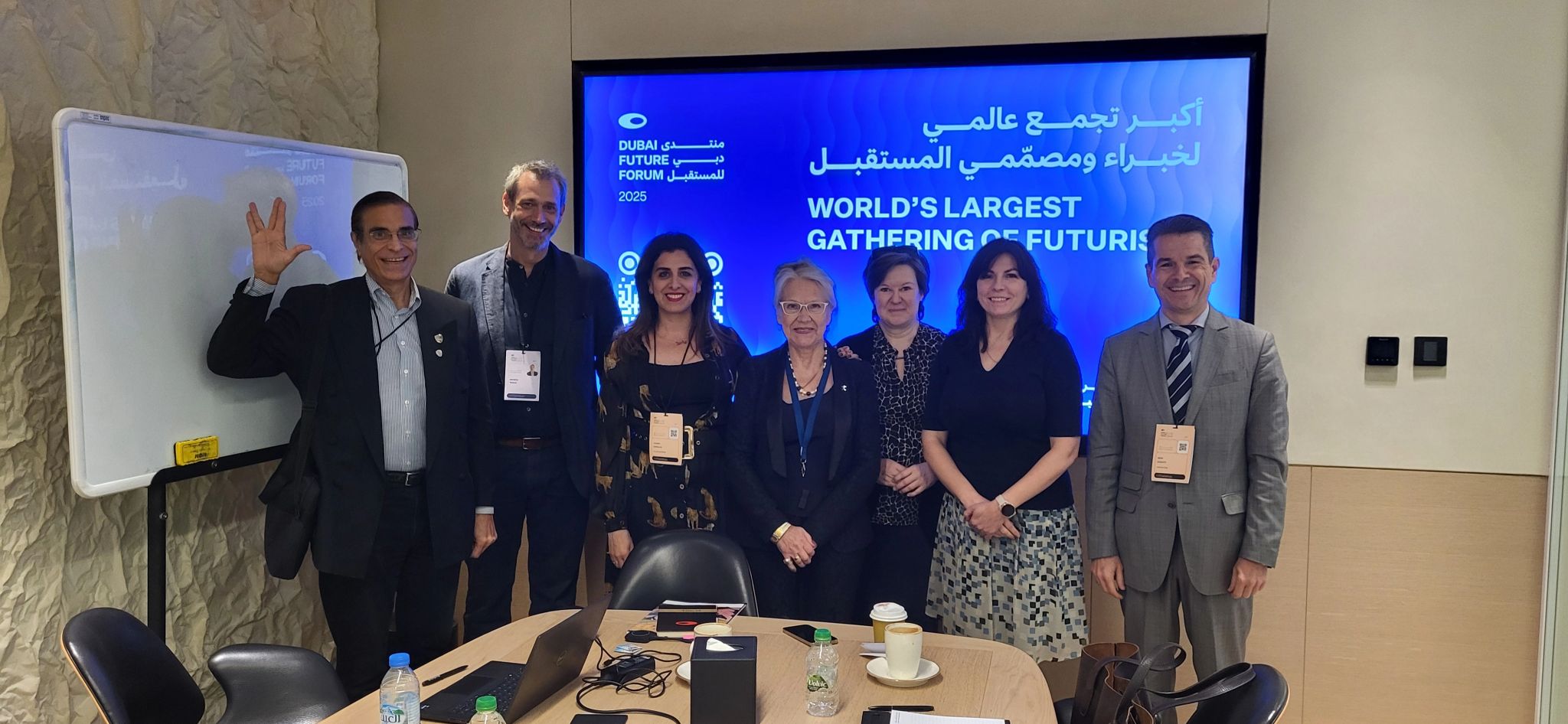
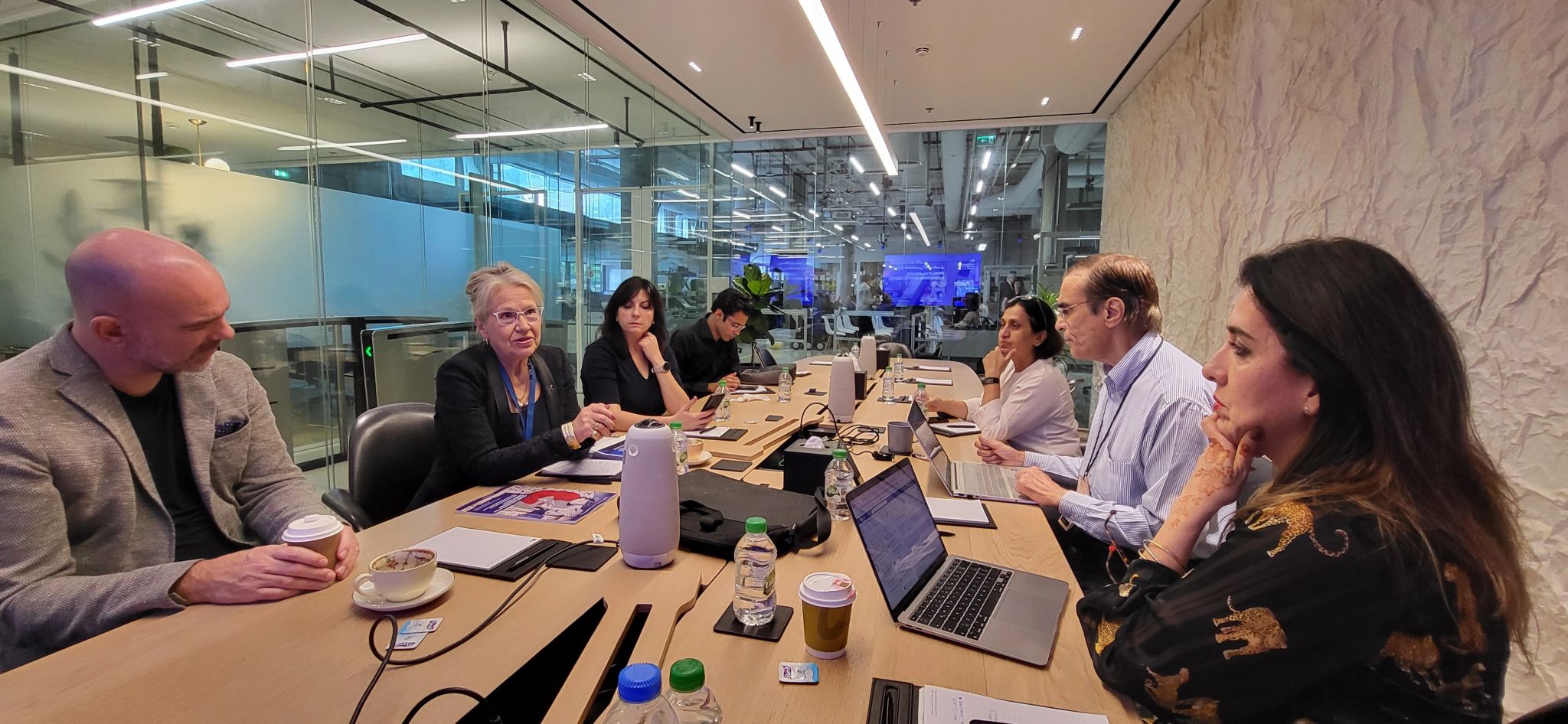
A group of participants attended the meeting onsite in Dubai, chaired by MP Deputy Director Ibon Zugasti, bringing an important in-person dimension to the discussions. Those present included Yadira Ornelas, José Cordeiro, Erika Vaiginienė, Sirkka Heinonen, Ibon Zugasti, Zeynep Yalim Uzun, Sevinç Ersen, Melike Akkaya, and David Joncker. Their presence fostered deeper interaction and strengthened cooperation among nodes.
After nearly three hours of rich exchanges, the 2025 Planning Committee Meeting concluded with closing reflections from participants, reaffirming the shared commitment to collaborative foresight research.
Visit the MP Planning Committee Meeting 2025 page with presentations
0 Comments